Table of Contents
Some links on The Justifiable are affiliate links, meaning we may earn a small commission at no extra cost to you. Read full disclaimer.
If you’ve been thinking about starting an online blog but aren’t sure how to actually turn it into income, you’re not alone. Many bloggers struggle with choosing the right niche and creating content that attracts loyal readers and paying customers.
The good news? There are specific blog ideas that make it easier to earn money faster — even if you’re starting from scratch. So, what kinds of online blogs actually lead to consistent income growth?
Let’s break it down in this outline.
Profitable Online Blog Ideas For Beginners
If you’re just starting your online blog journey, the goal is simple: find ideas that make money quickly while staying sustainable over time.
The best approach is to start with topics that attract traffic year-round and allow multiple income streams like ads, affiliates, and digital products.
Choosing Evergreen Niches That Generate Passive Income
Evergreen niches are topics that never go out of style — like health, finance, relationships, and personal growth. These attract consistent search traffic no matter the season.
I always recommend starting with an evergreen niche because it helps your blog grow steadily without relying on trends.
For instance, a fitness blog about “beginner home workouts” or a finance blog about “budgeting for families” will stay relevant year after year.
Here’s how to find one:
- Use Google Trends to check if the topic has stable search interest.
- Look up forums like Reddit or Quora to see what questions people consistently ask.
- Make sure there are monetization options like affiliate programs or product tie-ins.
Example: A blog about meal planning can link to grocery apps, meal kits, or kitchen tools — all monetizable through affiliate marketing.
How Lifestyle Blogs Can Monetize Through Affiliate Links
Lifestyle blogs work because they’re relatable. You can talk about home decor, routines, travel, or wellness — and subtly recommend products you actually use.
Affiliate links fit naturally into lifestyle posts. For example, if you’re sharing a “Morning Routine for Focus,” you can link to your favorite coffee maker, planner, or productivity app. These small touches can add up to steady income.
Here’s a quick tip I use:
- Choose affiliate programs that fit your life (like Flexoffers or Awin).
- Write genuine product stories — don’t just list links.
- Track your highest-converting articles and double down on similar content.
This approach builds trust with readers while growing income organically.
Turning Hobby Blogs Into Money-Making Platforms
Turning a personal hobby into a business blog is one of the easiest ways to earn faster — because your passion keeps you consistent.
Whether it’s baking, gardening, or gaming, there’s always a market for enthusiasts.
To monetize a hobby blog:
- Offer tutorials and use affiliate links for your favorite tools or materials.
- Create beginner-friendly digital products like guides or printables.
- Build an email list early to nurture your audience.
I’ve seen small craft blogs grow into six-figure online stores just by selling digital templates and linking to supplies. It’s all about pairing passion with a clear profit path.
The Secret Power of Personal Finance Blogs
Personal finance blogs are among the highest-earning online blog types. Why? Because people always need help managing money — and advertisers pay premium rates for financial audiences.
If you enjoy talking about saving, investing, or paying off debt, this niche can grow fast.
You can earn from:
- Affiliate programs (like credit cards, investing apps, or budgeting tools)
- Sponsored partnerships with financial brands
- Digital products like spreadsheets or e-courses
Example: A blog post titled “How I Saved $10,000 in 6 Months” can naturally feature affiliate links to budgeting apps or cashback programs — all while providing genuine value.
Online Blog Ideas That Work Well With Affiliate Marketing
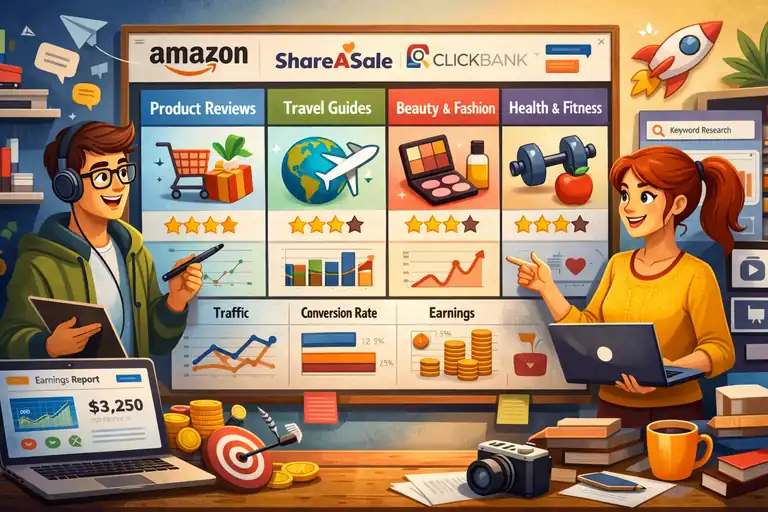
Affiliate marketing is one of the most reliable income sources for online bloggers. The trick is choosing topics where people are already searching for buying advice.
Why Product Review Blogs Convert Readers Into Buyers
When someone searches “best DSLR camera for beginners,” they’re ready to buy. Product review blogs tap into that intent beautifully.
To make your reviews stand out:
- Be honest — include both pros and cons.
- Add comparison tables with real product data.
- Share personal experience, not just specs.
I suggest using affiliate tools like ThirstyAffiliates to manage links cleanly and track performance. This keeps your reviews credible and profitable at the same time.
Building a Niche Comparison Blog for Higher Commissions
Comparison blogs (like “Best Email Marketing Tools” or “iPhone vs Android”) can generate high-value clicks. They target readers at the decision stage — when they’re about to spend money.
Here’s a smart structure:
- Create in-depth comparison charts for clarity.
- Use affiliate links for both options.
- Add a final recommendation with a personal note like “I personally use…”
This builds authority and trust, leading to higher conversions.
How To Create Gift Guide Blogs That Rank and Earn Fast
Gift guide blogs perform incredibly well during holidays, but evergreen ones (“Gifts for Travelers,” “Gifts for Book Lovers”) earn year-round.
Tips to rank and earn faster:
- Use SEO tools like Ahrefs or Ubersuggest to find seasonal keywords early.
- Write listicles with 15–30 products per post.
- Include buying intent terms like “best,” “top,” or “unique.”
Pairing these guides with affiliate links creates quick bursts of income — perfect for new bloggers.
The Best Affiliate Categories for Long-Term Blog Income
From my experience, certain niches always perform better for affiliate income:
- Tech & Software: High payouts and recurring commissions.
- Finance: Credit cards, banking, investing apps.
- Health & Wellness: Supplements, equipment, programs.
- Education: Online courses and productivity tools.
I recommend starting with one you know personally. Authenticity matters more than keyword difficulty — because trust drives conversions.
Blog Topics That Attract High-Paying Sponsors
Once your blog gains traction, sponsorships can easily double your monthly income. The key is understanding what brands actually want — visibility and engagement.
How To Find Sponsored Post Opportunities in Your Niche
Finding sponsorships doesn’t require thousands of followers. It starts with pitching the right companies.
Steps I personally use:
- Search “[your niche] + brand collaborations” on Google.
- Join influencer networks like Collabstr or Aspire.
- Create a “Work With Me” page on your blog.
I’ve seen new bloggers secure $200–$500 deals with just 5K monthly visitors — as long as their content is niche-specific and engaging.
What Types of Blogs Brands Love Partnering With
Brands prefer blogs that align with their audience and message. Lifestyle, parenting, food, and finance blogs attract the most sponsorships.
Here’s what makes a blog attractive:
- Consistent posting schedule.
- High engagement on social channels.
- Professional layout with clear branding.
Think of your blog as your media platform — every post is a chance to demonstrate brand fit.
Creating Media Kits That Get Sponsorship Approvals
A media kit is your blog’s resume. It showcases who you are, your audience demographics, and your past brand work.
Here’s what to include:
- Short bio and niche overview.
- Audience stats (traffic, engagement rate, email subscribers).
- Sample collaborations or testimonials.
You can easily design one using Canva templates. Keep it clean, visual, and honest — authenticity sells better than inflated stats.
Balancing Sponsored Content Without Losing Reader Trust
Readers can sense forced promotions instantly. I believe the best approach is transparency. Always disclose sponsorships and only promote products you genuinely use.
Simple rule I follow: If I wouldn’t recommend it to a friend, I won’t post it.
To maintain balance:
- Space out sponsored content with organic posts.
- Share honest experiences — not sales pitches.
- Offer value first, promotion second.
When readers trust your judgment, your sponsored posts perform better and attract repeat brand deals.
Online Blog Ideas That Drive Digital Product Sales
If you’ve ever thought about turning your online blog into a digital storefront, selling your own products is one of the most scalable ways to do it.
Digital products—like courses, templates, and ebooks—have zero inventory and unlimited profit potential once created.
Creating Educational Blogs That Sell Online Courses
Educational blogs are perfect for creators who want to teach something they’ve mastered. If you have expertise in any skill—marketing, photography, design, or even productivity—you can turn your blog into a mini learning hub.
Here’s how it works in practice:
- Build authority first: Write tutorials and how-to posts that demonstrate your skill.
- Create an entry-level course: Use tools like Teachable or Podia to easily host lessons without coding.
- Add soft calls-to-action: End blog posts with natural links like “If you’d like to dive deeper, check out my free mini-course here.”
I suggest starting small—a short course or workshop can validate demand before you invest time in a full program. This “teach-then-offer” method works beautifully because your audience already trusts your advice.
Why Printable and Template Blogs Sell Consistently
Printables and templates are underrated income generators. People love done-for-you solutions that save time—especially for planning, budgeting, or design tasks.
For example, a productivity blog can sell Notion templates or printable daily planners. A finance blog could offer budget trackers or debt repayment spreadsheets.
Here’s why they work:
- They’re quick to create and deliver automatically via email or platforms like Etsy or Gumroad.
- They appeal to impulse buyers who want instant results.
- They build trust for future, higher-ticket products.
If you want recurring income, bundle related templates into themed packs. For instance, “Small Business Starter Kit” could include an invoice template, content calendar, and expense sheet.
Using Your Blog To Launch an Ebook or Mini Guide
Writing an ebook is one of the most beginner-friendly ways to monetize your online blog. Unlike full-length books, ebooks can be concise and hyper-focused on solving one problem.
I recommend following this path:
- Identify your most popular post topic (via Google Analytics or Search Console).
- Expand it into a 30–50 page guide.
- Use your blog to pre-launch it with a free chapter or waitlist sign-up.
Example: If your blog post “How To Grow a Pinterest Following” gets traffic, turn it into “The Ultimate Pinterest Growth Blueprint.” You can sell it via Payhip or SendOwl directly from your site.
I’ve seen bloggers earn their first $1,000 this way—just by packaging their best content into a simple digital guide.
The Best Digital Products for Small Blogs To Start With
When your audience is still growing, smaller, more affordable products perform best. Think under $50 with immediate value.
Here are a few proven options:
- Mini-courses: Short video lessons on specific topics.
- Toolkits: Collections of checklists, swipe files, or planners.
- Workshops: Live sessions that later become evergreen content.
These products help you test your market while building confidence in selling. I personally suggest launching one product at a time and refining it based on feedback—this ensures every release gets stronger.
Blogging Ideas That Support Freelance and Coaching Income
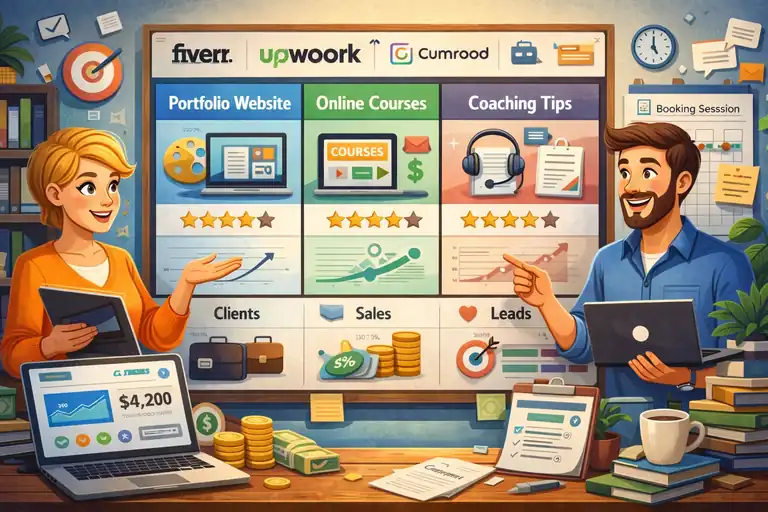
If you offer a service, your online blog can become your most powerful client magnet. Instead of chasing leads, you attract them with expertise-based content.
Building a Freelance Writing Blog That Attracts Clients
Freelance writers who blog about writing tips, SEO, or content marketing often get hired directly from their posts. Your blog doubles as both a portfolio and proof of skill.
To make it client-focused:
- Publish articles on how businesses benefit from good writing (e.g., “How Blogs Increase Conversions”).
- Include a clear Work With Me section with your services and pricing.
- Use LinkedIn and Medium to repurpose your best posts for visibility.
I suggest adding one or two in-depth “pillar” posts that show expertise—for example, a 2,000-word guide on writing product descriptions. This kind of content positions you as a pro instantly.
How To Use Coaching Blogs To Sell High-Ticket Services
Coaching blogs thrive when you build emotional trust. Whether you’re a business coach, fitness trainer, or mindset mentor, your writing should focus on transformation.
Here’s how to structure your content:
- Share client-like scenarios or stories readers can relate to.
- Provide small wins in your free posts—tips they can apply immediately.
- Use posts to lead naturally into coaching offers, like “Ready for personal guidance? Here’s how I can help.”
Tools like Calendly make it easy to embed free consultation booking buttons directly on your blog.
In my experience, blogs that mix inspiration with strategy convert far more coaching clients than hard-sell landing pages.
Turning Your Blog Into a Portfolio That Converts Leads
Your blog can be your best sales asset if you treat it like a living portfolio. Each article should subtly demonstrate your ability and style.
Practical setup tips:
- Feature client results or anonymized mini case studies.
- Use sidebar CTAs (calls to action) like “Want results like this? Let’s work together.”
- Add testimonials or a short “About” section after popular posts.
This setup works because readers don’t feel they’re being sold to—they’re seeing proof through your work.
Using Content Strategy Blogs To Build Authority Fast
Content strategy blogs appeal to businesses and creators who need guidance on growth. If you’re an SEO expert, marketer, or strategist, blogging about real frameworks can land consulting projects.
To stand out:
- Share systems you’ve personally tested.
- Use screenshots or short Loom video links to show tools in action (like “Click ‘New Campaign’ in Google Ads, then select…”).
- Create free templates that lead to a premium consulting offer.
I’ve found that actionable, no-fluff posts (especially with visuals) help establish authority quickly—even in competitive niches.
Niche Blog Ideas With Low Competition But High ROI
If you’re starting fresh, targeting micro-niches can help you rank faster and earn sooner. These smaller markets often have highly engaged audiences and less SEO competition.
Exploring Micro-Niches With Untapped Earning Potential
Micro-niches focus on a very specific need within a broader market. Instead of “fitness,” think “home workouts for busy moms” or “keto meal prep for beginners.”
To find one:
- Use AnswerThePublic to see detailed topic questions.
- Check subreddits for repetitive queries.
- Look for affiliate programs already supporting the topic.
This approach gives your blog focus while helping you dominate search results for narrow but valuable keywords.
How To Identify Gaps In Popular Blogging Markets
The key to profit is spotting what’s missing. I like to do this by comparing what’s ranking on Google with what readers are still asking in forums.
Steps to identify gaps:
- Search your niche keyword and analyze the top 10 results.
- Look for missing topics, outdated info, or poor readability.
- Fill that gap with deeper, fresher, or better-structured content.
For example, if every “travel packing list” blog ignores solo female travelers, that’s your unique angle—and your opportunity to rank.
Case Examples of Profitable Small Niche Blogs
Here are a few examples that prove small niches can thrive:
- Minimalist Tech Blog: Focuses on affordable, simple gadgets instead of expensive gear.
- Pet Nutrition Blog: Offers science-based meal plans and pet-safe recipes.
- Sustainable Beauty Blog: Targets eco-conscious readers looking for verified cruelty-free brands.
Each of these earns from affiliate links, small digital products, and sponsorships—all with highly loyal audiences.
Why Focusing Narrow Builds Faster Income Streams
I believe that “narrow focus, wide results” is the real secret to blogging success. When you pick a tight niche, you become an authority faster, attract a loyal community, and convert more effectively.
Benefits include:
- Easier SEO wins with low-competition keywords.
- Stronger audience trust through specialized expertise.
- Simpler content strategy — you know exactly what to write.
Starting small doesn’t limit your growth; it actually accelerates it. Once you dominate your corner of the internet, you can always expand outward with authority and confidence.
Online Blog Ideas That Thrive On SEO and Organic Traffic
If your goal is to grow your online blog without constantly relying on paid ads, SEO (Search Engine Optimization) should be your best friend.
By building content around search intent and keywords, you can attract visitors automatically — even while you sleep.
How To Choose SEO-Friendly Blog Topics From Day One
Picking SEO-friendly topics early saves you months of trial and error. Instead of guessing, you build with strategy from the start.
Here’s what I suggest:
- Start with audience problems: Use Quora, Reddit, or AnswerThePublic to see what your target readers are asking.
- Validate search volume: Use tools like Ubersuggest or Ahrefs to check if enough people are searching that phrase monthly (ideally 500–3,000 per month for beginners).
- Check ranking difficulty: Target keywords with low to medium competition.
For example, instead of “fitness tips,” go for “home workout plans for beginners.” It’s specific, easier to rank, and matches strong search intent.
I’ve learned that choosing search-driven topics from day one gives your blog a head start — it’s like planting seeds that keep growing with time.
Building Keyword Clusters That Attract Passive Visitors
A keyword cluster is a group of related search terms that support a main topic. It’s an advanced SEO tactic that helps your blog build authority faster.
Here’s how it works:
- Pick a pillar topic (like “Email Marketing”).
- Create supporting posts (“Best Email Marketing Tools,” “How To Write Effective Emails,” “Email Subject Line Ideas”).
- Link them together internally.
This structure tells Google that your site covers the topic deeply, which boosts your rankings.
I personally use Notion to organize keyword clusters. It keeps me on track and ensures I’m building content around a strategy, not random ideas.
Writing Long-Form Evergreen Content That Earns Over Time
Long-form content (1,500+ words) tends to rank higher and stay relevant longer. But it’s not about word count — it’s about depth.
Evergreen content focuses on topics that stay useful, like “How To Start an Online Store” or “Best SEO Practices for Beginners.”
To make it profitable:
- Add internal links to your affiliate posts or products.
- Use real data and updated examples.
- Refresh posts every 6–12 months.
I once had a post on “SEO for Beginners” that brought in steady traffic for three years — all because it was evergreen and periodically updated. That’s the beauty of organic growth.
Using Google Search Trends To Spot Money-Making Ideas
Google Trends is a goldmine for content timing. It helps you spot trending topics before they explode.
How to use it:
- Visit trends.google.com.
- Enter your niche keyword (like “remote work tools”).
- Adjust the timeframe to 12 months to see emerging interest.
If you notice rising spikes, that’s your cue to create content. Writing just before a trend peaks helps you dominate search results while competitors are still catching up.
I’ve used this method to predict seasonal topics (like “holiday budgeting” or “back-to-school organization”) that drive huge bursts of traffic each year.
Creative Blog Ideas That Boost Income Through Community
Some of the most successful online blogs don’t just have readers — they have communities.
Building a loyal, engaged audience turns casual visitors into long-term supporters who are willing to pay for access, exclusivity, or personal interaction.
Starting Membership-Based or Subscription Blogs
Membership blogs offer readers premium access to exclusive content, training, or tools. Think of it as your private corner of the internet.
Steps to start:
- Choose a clear benefit (e.g., “weekly meal plans” or “monthly SEO templates”).
- Use a tool like MemberPress or Podia to handle subscriptions.
- Offer a mix of free and paid content to build curiosity.
I’ve found that the best membership blogs start small — maybe with 20–30 members — and grow by consistently delivering value, not hype.
Using Community Forums or Private Groups for Monetization
Private communities (like Facebook Groups or Circle.so) give readers a space to connect and engage around your content.
You can monetize these in several ways:
- Offer paid access to a “Pro” tier.
- Host monthly Q&A sessions or live trainings.
- Collaborate with sponsors to feature tools your group loves.
An example I’ve seen work well: a blogging community that charges $10/month for access to insider SEO checklists and real-time support. Simple, yet powerful.
How Engagement Blogs Build Loyal Paying Audiences
Engagement blogs don’t just share information—they spark conversation. The more readers interact, the more loyal they become.
Here’s how to increase engagement:
- End posts with questions that invite comments.
- Use polls or quizzes (try Typeform or Interact).
- Send personal-style newsletters that sound like a friend, not a brand.
I believe engagement is the difference between a “visitor” and a “fan.” Once readers feel seen and heard, they’re much more likely to support your paid offers.
Combining Email Marketing With Community-Based Blogs
Your email list is your most valuable asset — especially when paired with a strong community. It’s the direct line between you and your audience.
Quick setup flow:
- Offer a freebie (like a “Starter Kit” or checklist) to grow subscribers.
- Use ConvertKit or Flodesk to send personalized updates.
- Nurture subscribers with real stories and behind-the-scenes insights.
I always remind new bloggers: your blog attracts readers, but your email list keeps them. Combine both, and you’ll build a sustainable ecosystem of trust and income.
Blog Ideas That Work Best With Ad Revenue
Earning from display ads can be incredibly passive once your traffic grows. But to maximize income, you need to choose the right topics and optimize your setup.
Choosing High RPM Niches for Display Ads
RPM (Revenue Per Mille) means how much you earn per 1,000 views. Certain niches consistently pay more because advertisers bid higher for them.
Here are some of the top-performing categories:
- Finance and Investing: $30–$60 RPM
- Tech and Software: $25–$50 RPM
- Health and Fitness: $15–$35 RPM
- Education and Career: $10–$30 RPM
I recommend starting with a topic that balances high RPM and high search volume — like “budgeting for beginners” or “best free software for startups.”
How To Optimize Blog Layouts for Better Ad Performance
Placement and readability matter just as much as traffic. A clean, user-friendly layout keeps visitors longer and improves ad clicks naturally.
Here’s what I’ve tested and found effective:
- Place the first ad after the first paragraph.
- Use in-content ads between subheadings.
- Keep sidebar ads minimal to avoid clutter.
Platforms like AdThrive optimize placements automatically, but if you’re new, Google AdSense is a good starting point.
Scaling Traffic Quickly for Higher Monthly Ad Earnings
Once you hit 10,000–50,000 monthly visitors, your ad income compounds.
To scale faster:
- Publish at least 8–10 posts per month.
- Update older posts with fresh keywords.
- Use Pinterest and Google Discover to boost traffic bursts.
I’ve seen beginner blogs go from $100 to $1,500 per month within a year simply by focusing on consistent SEO and repurposing content across social platforms.
When and How To Add Ads Without Hurting UX
The biggest mistake new bloggers make is adding too many ads too soon. It slows down your site and frustrates readers.
I suggest waiting until you’re getting consistent organic traffic (at least 5,000 sessions/month). Then test small placements using Google Site Kit analytics to see which spots perform best.
Balance is key: make your content the hero, not the ads.
Future-Proof Online Blog Ideas for Long-Term Income
The digital landscape changes constantly, but some strategies help your online blog stay profitable for years. It’s all about building resilience and adaptability.
Building Authority Blogs Around Timeless Topics
Authority blogs are built on trust and expertise. They survive algorithm shifts because readers rely on them for quality information.
Timeless niches include:
- Personal finance
- Career development
- Health and wellness
- Self-improvement
I suggest focusing on in-depth, experience-based posts. Share real stories, show screenshots, and offer insights that no AI-written article could replicate.
Why Hybrid Monetization Models Work Best
Relying on one income source is risky. Hybrid models — a mix of ads, affiliates, digital products, and services — create stability.
Example of a hybrid setup:
- Ads cover consistent base income.
- Affiliates bring mid-level monthly earnings.
- Digital products or courses provide scalable growth.
From what I’ve seen, hybrid blogs earn 2–3x more than single-focus ones. They can adapt if one income stream dips.
Preparing Your Blog for Algorithm Changes
Algorithms evolve, but user trust never loses value. Focus on genuine connections, long-term readers, and quality backlinks.
Here’s what helps:
- Avoid over-optimizing keywords.
- Keep updating outdated posts.
- Build an email list as insurance against SEO fluctuations.
In my experience, bloggers who focus on value and relationships rarely lose everything to an algorithm shift.
Turning Your Blog Into a Scalable Digital Business
Eventually, your blog can evolve into a brand — selling services, memberships, or even software.
Simple ways to scale:
- Outsource content writing and editing.
- Use automation tools like Zapier or ClickUp to streamline workflows.
- Reinvest profits into better design, SEO tools, or ad campaigns.
Think of your blog as a digital asset, not just a content hub. I believe the most successful bloggers are the ones who treat their sites like real businesses — with systems, strategies, and a clear long-term vision.
Pro Tip: Build your online blog like you’re building trust with a friend — helpful, transparent, and consistent. That’s what keeps readers coming back, and that’s what ultimately builds lasting income.
FAQ
What type of online blog makes money the fastest?
An online blog focused on high-intent topics like product reviews, personal finance, or digital tools makes money fastest because readers are already ready to buy.
Can a beginner realistically earn income from an online blog?
Yes. Beginners can earn from an online blog by choosing low-competition niches, using affiliate links, and publishing SEO-focused content consistently.
How long does it take for an online blog to start generating income?
Most online blogs start earning within 3–6 months when they focus on search-driven content, monetization from day one, and consistent publishing.

I’m Juxhin, the voice behind The Justifiable.
I’ve spent 6+ years building blogs, managing affiliate campaigns, and testing the messy world of online business. Here, I cut the fluff and share the strategies that actually move the needle — so you can build income that’s sustainable, not speculative.