
Table of Contents
Some links on The Justifiable are affiliate links, meaning we may earn a small commission at no extra cost to you. Read full disclaimer.
Online marketing solutions have evolved far beyond getting clicks—they’re about turning attention into actual revenue. But with so many tools and tactics out there, which ones truly help you convert those curious visitors into paying customers?
In this guide, we’ll explore 10 powerful online marketing solutions designed to drive measurable growth, improve conversion rates, and help you build long-term customer relationships.
1. Conversion-Optimized Email Marketing Platforms
Email remains one of the most powerful online marketing solutions for turning casual visitors into loyal customers.
The key is using smart automation and behavioral data to send the right message at the right time.
Using Segmentation To Deliver Personalized Campaigns
Segmentation means dividing your audience into smaller groups based on shared traits—like interests, purchase history, or engagement level. I’ve found that when you tailor emails to these segments, open rates and conversions often double.
For example, in ActiveCampaign, you can create dynamic segments such as “abandoned cart users” or “repeat buyers.” Once those lists are set up, each audience receives a specific message that fits their intent—perhaps a discount for first-time buyers or a loyalty offer for existing ones.
Here’s how to start:
- Define segments using customer data (demographics, engagement, or lifecycle stage).
- Use conditional logic to send emails that adapt to user behavior.
- Test different copy and incentives per segment to find what truly resonates.
Segmentation is about respect—it’s saying, “I see who you are,” rather than blasting everyone the same offer.
Automating Email Sequences For Consistent Engagement
Automation keeps your leads warm without manual effort. Tools like HubSpot or Kit (formerly ConvertKit) allow you to set up sequences that automatically trigger based on behavior.
Let’s say someone downloads a free guide. That action can trigger a 5-day welcome series introducing your brand, sharing value, and eventually presenting a tailored product offer.
Automation best practices:
- Map your customer journey visually to plan logical touchpoints.
- Space emails strategically—too frequent feels pushy, too slow loses interest.
- Keep tone conversational; automation should never feel robotic.
I suggest reviewing automated workflows monthly. Even small updates—like new testimonials or visuals—keep them relevant and fresh.
Tracking Click-To-Purchase Behavior With Analytics
Data tells the truth. Most modern email tools integrate with platforms like Google Analytics or Shopify to reveal the exact path from email click to checkout.
Tracking metrics like click-through rate (CTR), conversion rate, and average order value (AOV) helps you identify which campaigns actually drive revenue—not just opens.
A simple example: If a campaign promoting “limited-time bundles” drives a 3.5% conversion rate compared to your usual 1.2%, that’s a clue that urgency messaging works for your audience.
Use this data to adjust your messaging hierarchy—what you highlight, when you send, and how you frame the offer. Numbers remove guesswork from creativity.
2. High-Converting Landing Page Builders
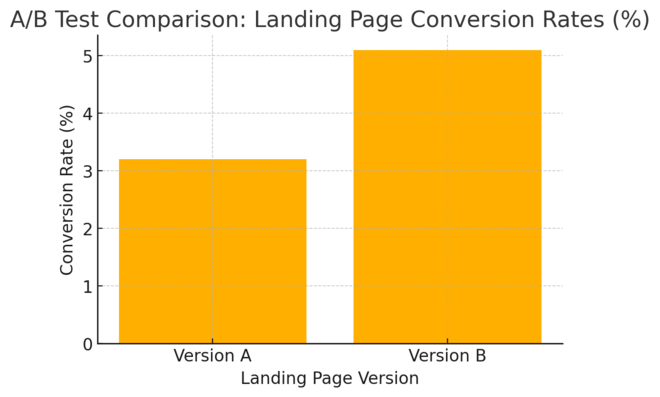
Landing pages are where curiosity becomes commitment. A strong builder simplifies design, speeds up testing, and integrates with your email or ad platform—so every click has a clear purpose.
Crafting Persuasive Landing Pages With Visual Builders
Visual builders like Unbounce, Instapage, and Elementor make page creation intuitive—drag, drop, done. I’ve used them to spin up pages in hours that used to take days.
Elements that boost conversions:
- A clear, benefit-driven headline (e.g., “Grow Your Traffic 3x Faster”)
- One primary CTA (Call to Action)—avoid giving users too many choices.
- Social proof: testimonials, ratings, or user logos.
Pro tip: Always design for mobile-first. More than 60% of visitors now view landing pages on smartphones, and slow or cluttered layouts can kill conversions instantly.
A/B Testing Designs To Boost Conversion Rates
Testing is where good marketers become great. A/B testing tools built into Unbounce or VWO let you compare two versions of a page—changing one element at a time (like the headline or button color).
I once ran a test where simply changing the CTA from “Get Started” to “Start My Free Trial” increased sign-ups by 21%. It’s a reminder that tiny tweaks can lead to big wins.
What to test:
- Headlines and subheads
- CTA placement and copy
- Hero image or video
- Form length (fewer fields often mean more completions)
Keep your tests running until you hit statistical significance—guessing halfway through is how you lose clarity.
Using Heatmaps To Understand User Behavior
Heatmap tools like Hotjar and Crazy Egg visually show where users click, scroll, and drop off. It’s like looking into their mind—without creeping them out.
These insights often reveal surprises: users might be ignoring your main CTA but engaging heavily with an image or quote lower on the page.
How to apply findings:
- Move high-engagement content above the fold.
- Simplify or remove distracting sections.
- Combine scroll and click maps to find where users stop caring.
When you treat landing pages like living experiments, they evolve into profit engines rather than static brochures.
3. All-In-One CRM Systems For Lead Nurturing
A CRM (Customer Relationship Management system) turns scattered interactions into organized relationships.
It connects your marketing, sales, and customer service data, so every conversation feels personal and informed.
Centralizing Customer Data To Improve Targeting
Centralization means pulling customer details—like emails, purchase history, and support tickets—into one dashboard. Freshsales, Pipedrive, or Zoho CRM are great examples of this.
Having that 360° view lets you segment and target with surgical precision.
For instance, you can identify people who viewed your pricing page three times but never purchased, then send a follow-up with a custom offer.
Core benefits of centralization:
- Fewer data silos (everyone works from the same information).
- Easier campaign personalization.
- Faster, more confident decision-making.
I recommend linking your CRM to your email marketing tool. That single integration can instantly tighten your feedback loop and reduce guesswork.
Automating Follow-Ups To Keep Leads Warm
Automation isn’t about volume—it’s about timing. A CRM can automatically trigger reminders, follow-ups, or next-step nudges when leads show specific behaviors.
In Pipedrive, for example, you can set a rule: “If no reply after 3 days, send a gentle check-in email.” This prevents deals from going cold without manual oversight.
Effective follow-up automation tips:
- Write templates that sound human, not corporate.
- Add a calendar link (like Calendly) for frictionless scheduling.
- Track which follow-ups convert best, then standardize them.
It’s amazing how many deals revive simply because someone remembered to follow up—automation just makes remembering effortless.
Integrating CRMs With Ads And Email Campaigns
When your CRM connects with platforms like Meta Ads, Google Ads, and Mailchimp, your marketing becomes smarter. You can build lookalike audiences based on top customers, or exclude recent buyers from ad retargeting to save money.
Example workflow:
- CRM identifies users who completed a purchase.
- That list automatically syncs with your ad platform.
- Retargeting is paused, while upsell campaigns begin instead.
This loop ensures every marketing dollar supports relevance, not redundancy.
Expert Tip: If you’re juggling multiple marketing tools, start with CRM integration. It’s the backbone of efficient online marketing solutions—tying together data, automation, and insight into one living ecosystem. From there, every email, ad, and page you build becomes smarter, faster, and more profitable.
4. AI-Powered Chatbots And Conversational Marketing Tools
AI-powered chatbots have become one of the most effective online marketing solutions for engaging visitors instantly and guiding them toward purchase decisions.
When used correctly, they act like tireless digital sales reps—available 24/7, answering questions, collecting leads, and driving conversions in real-time.
Engaging Visitors In Real-Time With Smart Chatbots
Real-time interaction is where chatbots shine. Tools like Drift, ManyChat, or Tidio allow you to greet website visitors the moment they land on a page.
These bots can initiate a friendly chat, offer help, or ask simple questions such as, “Are you looking for product recommendations?”
Here’s how to make chatbots more human:
- Use natural, conversational language. Avoid sounding scripted.
- Offer clickable options instead of open-ended questions.
- Personalize greetings based on page type (e.g., “Need help choosing the right plan?” on a pricing page).
I recommend linking your chatbot with your CRM, like Monday or Pipedrive, so every interaction automatically updates the customer profile. That way, your sales team can follow up with full context instead of cold starts.
Chatbots aren’t meant to replace humans—they’re meant to scale the human touch.
Using Chat Data To Personalize Sales Offers
Every chatbot conversation generates valuable behavioral data: what people ask, where they hesitate, and which offers get clicks. When you analyze this chat data, you can uncover patterns that shape smarter campaigns.
For example, if users often ask, “Do you offer free shipping?” that’s a signal to make your shipping policy more visible—or even create a limited free-shipping offer to increase conversions.
Practical steps to leverage chat data:
- Review transcripts weekly to spot recurring questions or objections.
- Use these insights to adjust your ad copy or email messaging.
- Segment visitors by chat intent—those asking about pricing are warm leads, while those seeking product info might need nurturing.
Platforms like Intercom and Zendesk Chat visualize this data through dashboards, showing common keywords, satisfaction ratings, and conversion outcomes.
Automating Lead Qualification Through AI Conversations
AI-driven chatbots don’t just answer questions—they qualify leads automatically. Using rule-based logic or machine learning, they can ask qualifying questions like:
“Are you shopping for personal or business use?” or “What’s your estimated budget?”
This process saves your sales team hours of manual work by filtering low-quality leads before they ever reach your inbox.
Example workflow:
- Visitor starts a chat asking about pricing.
- The chatbot asks a few qualifying questions.
- Based on responses, the bot tags the lead as hot, warm, or cold.
- The system automatically routes hot leads to a live rep via email or Slack.
From my experience, integrating chatbots with automation tools like Zapier takes the experience to another level. It keeps leads moving smoothly without anyone manually forwarding messages.
5. Social Media Advertising Platforms
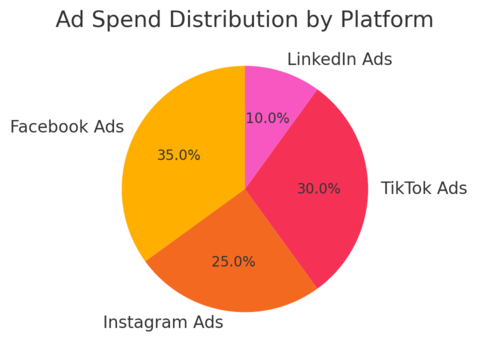
Social media remains one of the strongest conversion channels—especially when powered by precision targeting and creative optimization.
Platforms like Facebook, Instagram, and TikTok Ads can drive qualified traffic that actually converts, not just scrolls past.
Leveraging Facebook And Instagram Ads For Conversions
Facebook and Instagram Ads allow marketers to build awareness and capture leads within the same ecosystem. Using Meta Ads Manager, you can run conversion campaigns that directly track purchases, sign-ups, or app installs.
To boost conversions:
- Use Dynamic Product Ads that automatically show products users viewed on your site.
- Test multiple ad formats—carousel, reels, and collection ads often outperform static images.
- Write ad copy focused on benefits, not features. For instance, instead of “Our tool has automation,” say “Save 5 hours a week with automation.”
In my experience, pairing Meta Ads with a retargeting funnel increases ROI by up to 30%. This happens because your ads follow people who’ve already shown intent—making every click count.
Using Retargeting To Capture Lost Visitors
Retargeting campaigns re-engage users who clicked but didn’t convert.
Platforms like Google Ads, Facebook Ads, and AdRoll let you install tracking pixels on your site. These pixels log user activity, so your ads “follow” them across the web.
Practical setup tips:
- Retarget users who visited your product or checkout pages but didn’t complete the purchase.
- Create urgency-driven ad copy like “Still thinking it over? 10% off ends tonight!”
- Cap ad frequency—too many impressions can annoy users and hurt brand trust.
I’ve seen small eCommerce brands reclaim 20–25% of lost carts just by setting up 7-day retargeting campaigns with fresh creative every few weeks.
Creating High-Intent Audiences From Custom Data
Custom audiences are gold for advertisers. When you upload email lists or sync CRM data to your ad platform, you can retarget specific customer groups or create lookalike audiences to find similar people.
In Meta Ads Manager, you can create lookalikes of your top 1% highest-spending customers. This method often cuts acquisition costs by up to 40% because you’re targeting users statistically similar to your best buyers.
How to refine targeting further:
- Exclude current customers to avoid wasted spend.
- Layer interest or behavior filters for precision.
- Continuously refresh audience data every few weeks to keep it relevant.
When your ads speak to the right audience at the right time, conversion becomes less of a push and more of a natural step forward.
6. Content Marketing Automation Tools
Content drives traffic, but automation keeps it consistent.
With the right tools, you can plan, create, publish, and track content that continually builds authority and converts visitors—without burning out your team.
Scheduling Consistent, Value-Driven Content
Scheduling tools like Buffer, Hootsuite, or Later allow you to plan social and blog content weeks in advance. This helps you stay visible and consistent, even during busy weeks.
Here’s a simple workflow I use:
- Map a 30-day content calendar in a Google Sheet.
- Use Buffer to schedule posts across platforms.
- Monitor performance weekly and double down on formats that perform best.
Automation doesn’t mean posting without purpose. Always align content with a business goal—whether that’s lead generation, brand visibility, or nurturing trust.
Using AI Tools To Optimize Content Performance
AI writing assistants like Jasper, Writesonic, or SurferSEO can help generate ideas, rewrite underperforming copy, and ensure SEO alignment. However, they’re best used as creative assistants, not replacements for your voice.
For example, SurferSEO’s Content Editor suggests word counts, heading structure, and semantic keywords that improve ranking potential. You can blend those insights with your tone and expertise for content that ranks and resonates.
AI optimization strategies:
- Use AI to refine existing top-performing posts, not just new ones.
- Check generated content for accuracy and originality before publishing.
- Leverage analytics dashboards to identify content gaps in your niche.
The real magic happens when you pair AI insights with human storytelling—it keeps your brand relatable and credible.
Tracking Engagement To Identify Conversion Opportunities
Analytics tools like Google Search Console, HubSpot Analytics, and Ahrefs reveal which content actually drives leads. I suggest focusing on engagement metrics that signal buying intent: time on page, scroll depth, and CTA click rate.
Here’s what to look for:
- Posts with high engagement but low conversions may need stronger CTAs.
- Pages with strong traffic but poor retention might need better storytelling or visuals.
- Content that performs well organically should be promoted with paid ads.
One of my clients saw a 38% increase in lead form submissions after we optimized top-performing blogs with inline CTAs and chatbot widgets. Sometimes, the traffic is already there—it just needs better direction.
Pro Tip: The most effective online marketing solutions share one principle: synergy. Chatbots, social ads, and content automation work best when integrated. When your chatbot insights shape ad targeting, and your ad data fuels your content strategy, every click becomes part of a seamless, data-informed customer journey. That’s when clicks truly turn into customers.
7. Data-Driven SEO Optimization Tools
SEO today is about precision, not guesswork. The best online marketing solutions use analytics and intent-focused keyword data to attract traffic that actually converts.
The goal isn’t just ranking—it’s ranking for terms that drive real sales.
Discovering High-Intent Keywords That Drive Sales
High-intent keywords are search phrases that show a clear intention to buy or take action, such as “best CRM for small business” or “buy ergonomic office chair online.” These terms often convert 2–3x higher than general informational searches.
To find them, tools like Semrush, and Google Keyword Planner are incredibly useful.
In Ahrefs, for instance, you can:
- Enter a broad keyword (e.g., “email software”).
- Filter by Keyword Difficulty (KD) under 40 and CPC (Cost Per Click) above $2.
- Look for words with strong buyer signals like “best,” “compare,” “pricing,” “review.”
I recommend exporting these keywords and mapping them to content funnels—blog posts for awareness, product pages for intent, and comparison articles for decision-stage users. This ensures every piece of content attracts an audience ready to convert, not just browse.
Using SEO Analytics To Refine Conversion Paths
SEO doesn’t end with keyword research. It’s about understanding how visitors move from your organic content to your conversion pages. This is where tools like Google Analytics 4 (GA4) and Hotjar shine.
Here’s how I track and refine conversion paths:
- Identify top landing pages from organic search in GA4.
- Track user flow from those pages—where do they go next, and where do they drop off?
- Use Hotjar session recordings to see how they interact with CTAs or internal links.
For example, I once noticed users dropping off just before a lead form. After replacing a long form with a 2-step quiz, conversions jumped by 27%. That insight came straight from behavioral data—not assumptions.
This is what “data-driven SEO” really means: observing patterns, testing hypotheses, and using real numbers to make content work harder.
Improving On-Page SEO For Higher Buyer Engagement
On-page SEO is where intent meets usability. Even a perfectly targeted keyword can fail if your page doesn’t guide visitors toward action.
I suggest starting with Frase.io, which analyze top-ranking pages for your target keyword and show what’s missing from your content. Then, apply these optimizations:
- Use semantic keywords (related phrases) to improve topical depth.
- Add clear CTAs every 400–500 words for conversion alignment.
- Use short paragraphs, internal links, and scroll-friendly design for mobile readers.
One practical trick: create a comparison table near the top of long articles. This keeps high-intent users engaged and helps Google understand your content’s value structure.
The best SEO is invisible—it feels natural, helpful, and effortlessly persuasive.
8. Video Marketing And Interactive Media Solutions
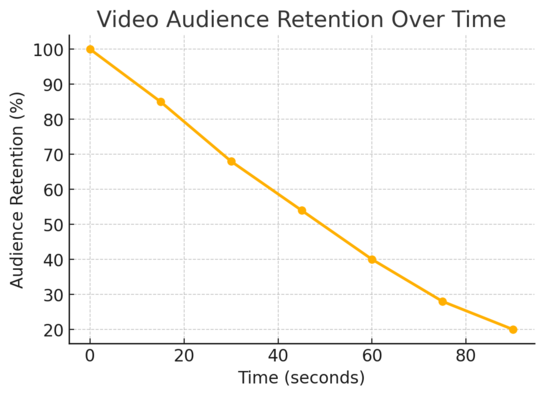
Video content isn’t just for awareness anymore—it’s a sales engine. With interactive and shoppable videos, businesses can shorten the path from interest to purchase dramatically.
Creating Shoppable Video Content For Direct Sales
Shoppable video means viewers can buy directly while watching. Tools like Shopify’s Vimeo integration, TikTok Shop, and YouTube Shopping make this easy to set up.
For example:
- On TikTok Shop, you can tag products in your videos. When viewers click, they go straight to checkout without leaving the app.
- Shopify’s integration with Vimeo lets you embed clickable products into your website videos.
I’ve seen ecommerce brands increase conversion rates by 15–20% after embedding shoppable clips on product pages. It’s the digital version of a salesperson showing you the product and handing it to you instantly.
To make shoppable videos effective:
- Keep videos under 90 seconds.
- Highlight product use, not just features.
- Use strong CTAs like “Tap to buy now” or “Shop this look.”
Using Interactive Features To Boost Viewer Retention
Interactive elements—like polls, quizzes, and clickable chapters—keep viewers engaged longer. Platforms like Wistia and Vimeo Enterprise allow you to embed CTAs, lead forms, and even choose-your-own-path storytelling within videos.
Let’s say you run a fitness brand. You could create a “Choose Your Goal” video where users click to view either “Weight Loss” or “Muscle Gain” workouts. Not only does this improve retention, but it also gives you segmentation data for personalized follow-ups.
According to Wistia’s data, interactive videos can increase viewer engagement by 40%. I suggest testing small interactions first—like mid-roll polls—before building complex experiences.
Measuring Video Engagement To Refine Strategy
Metrics matter more than vanity views. Focus on engagement rate, completion rate, and conversion-assisted views (how often videos lead to actions).
Tools to track video performance:
- YouTube Analytics: Shows retention and click-through metrics per timestamp.
- Vidyard: Connects video engagement to CRM systems, showing which videos help close deals.
- Google Tag Manager: Tracks video play and completion events across your website.
Use this data to identify drop-off points. For instance, if 60% of viewers leave at the halfway mark, your videos might be too long—or missing early hooks. Shortening them by 20 seconds could increase completion and clicks dramatically.
Video success isn’t about volume—it’s about storytelling that respects attention.
9. Influencer And Affiliate Marketing Platforms
Influencer and affiliate marketing have evolved from simple partnerships into data-driven ecosystems.
Today’s tools let you track ROI, vet partners, and automate payments—all while maintaining genuine brand alignment.
Partnering With Authentic Creators To Build Trust
Authenticity drives conversions. Instead of chasing influencers with massive followings, I recommend working with micro-influencers (5K–50K followers) who align closely with your brand values.
Platforms like Collabstr, Upfluence, and AspireIQ make it easy to filter influencers by niche, engagement rate, and location.
Quick example: A skincare brand I worked with chose 10 micro-influencers with under 20K followers. Their campaign drove 3x higher engagement compared to a single celebrity post—at a fraction of the cost.
To build authentic partnerships:
- Encourage creators to use your product before promoting it.
- Let them write captions in their own tone.
- Focus on storytelling over salesy scripts.
Consumers can smell forced ads from a mile away. Trust is the new currency.
Tracking Conversions From Influencer Campaigns
Measuring ROI used to be tricky, but now tools like Impact.com and Refersion make it easy. You can assign each influencer a custom link or coupon code to track traffic and sales.
Here’s what I look at:
- Conversion rate per influencer.
- Cost per acquisition (CPA).
- Average order value (AOV) generated from influencer-driven sales.
A smart move is to integrate tracking links with Google Analytics UTM parameters, so you can see influencer traffic under “Acquisition > Source/Medium.” It gives a clearer picture of which creators actually drive conversions—not just likes.
Managing Affiliate Relationships With Automation
Managing dozens (or hundreds) of affiliates manually can be exhausting. Automation tools like PartnerStack, Tapfiliate, or Post Affiliate Pro handle onboarding, payouts, and reporting automatically.
Here’s how I usually set it up:
- Affiliates apply via a branded signup page.
- The system generates a unique referral link.
- Each sale automatically triggers commission payout after validation.
This setup can save 10–15 hours a week while improving affiliate satisfaction through transparency.
Affiliate programs thrive when partners feel supported—so send regular updates, share new assets, and celebrate top performers. A motivated affiliate is a multiplying force for your brand.
10. Retargeting And Remarketing Automation Tools
Retargeting turns forgotten visitors into customers. Whether they abandoned a cart or just browsed your blog, these automation tools ensure you never lose a potential sale to distraction.
Using Pixel Data To Re-Engage Past Visitors
Pixels are snippets of code that track visitor actions. When installed on your site, they let you show personalized ads to people who’ve already interacted with your content.
Platforms like Meta Pixel (for Facebook/Instagram) and Google Ads Remarketing Tag make this setup straightforward.
Example flow:
- A user visits your product page but doesn’t purchase.
- The pixel logs this behavior.
- A few hours later, they see your retargeting ad offering a discount or free shipping.
This simple system can boost conversion rates by 25–35% with minimal extra ad spend.
Creating Dynamic Product Ads To Drive Repeat Purchases
Dynamic Product Ads (DPAs) automatically show users the exact products they viewed or added to their cart. Shopify, WooCommerce, and BigCommerce integrate easily with Meta Ads or Google Merchant Center for this.
To make DPAs effective:
- Use lifestyle imagery over plain product shots.
- Add urgency triggers (“Selling fast,” “Limited stock”).
- Test sequential retargeting: start with product reminders, then follow with testimonials.
I’ve seen brands double their repeat purchase rate simply by running DPAs to past customers highlighting complementary products.
Analyzing Retargeting ROI To Optimize Future Campaigns
Tracking ROI ensures you’re not wasting retargeting dollars. Google Analytics, Meta Ads Manager, and AdRoll all show cost-per-conversion and frequency data.
If users see your ad too often (above a frequency of 8), performance usually drops due to ad fatigue. I recommend capping impressions and rotating new creative every 2–3 weeks.
Evaluate ROI using:
- Return on Ad Spend (ROAS).
- View-through conversions (when users convert later without clicking the ad).
- Time-to-conversion metrics to understand buying cycles.
Retargeting works best when it feels like a gentle reminder, not a relentless chase. Stay helpful, not pushy.
Expert Tip: Every tool mentioned here—from SEO analytics to retargeting automation—works best when unified under one data strategy. I suggest connecting your analytics, CRM, and ad platforms into a single ecosystem.
When every click, view, and conversation feeds the same intelligence, you stop guessing and start scaling with precision. That’s the power of truly integrated online marketing solutions.

I’m Juxhin, the voice behind The Justifiable.
I’ve spent 6+ years building blogs, managing affiliate campaigns, and testing the messy world of online business. Here, I cut the fluff and share the strategies that actually move the needle — so you can build income that’s sustainable, not speculative.
Related posts:
 Social Media Marketing for Small Business – Best Tips
 Internet Marketing Ideas: Increase Your Marketing Efforts
 How to Increase Social Media Followers
 Squirrly SEO – The Ultimate WordPress SEO Plugin for Boosting Your Website’s Rankings
 What’s the Best Site to Start a Blog for Beginners?
 Create a Blog Free and Start Earning With No Risk