
Table of Contents
Some links on The Justifiable are affiliate links, meaning we may earn a small commission at no extra cost to you. Read full disclaimer.
If you’ve been searching for ways to make a new business grow online, you’re already on the right path. The truth is, growth doesn’t happen by accident—it’s the result of smart, consistent strategies that build visibility, trust, and conversions.
The digital world is competitive, but it’s also full of opportunity. So how can you grow your business online fast without burning through your budget or time?
Let’s break down ten proven strategies that can help you gain traction, attract customers, and scale your presence effectively.
1. Build A Strong, Conversion-Driven Website
A website isn’t just your digital storefront—it’s your best salesperson working 24/7.
When you’re figuring out ways to make a new business grow online, your website should do more than look good; it must convert visitors into paying customers.
Prioritize User Experience And Design
Your design is the first impression people get of your brand. If your website feels clunky or confusing, users bounce—fast.
I suggest keeping your layout clean, with plenty of white space, clear headings, and simple navigation menus.
Here’s what works:
- Visual hierarchy: Make your main message or CTA stand out.
- Consistent branding: Use the same fonts, colors, and tone across all pages.
- Accessibility: Ensure text contrast, alt text for images, and keyboard navigation.
In my experience, using tools like Hotjar or Crazy Egg can help you see how users interact with your site through heatmaps and click tracking. This shows you exactly where to make improvements.
Optimize For Mobile Responsiveness
Over 60% of online traffic comes from mobile devices. If your site doesn’t adapt to smaller screens, you’re losing conversions.
I recommend testing your pages on different devices using Bing’s Mobile-Friendly Test to catch layout issues early.
Quick fixes:
- Avoid pop-ups that block key content.
- Use scalable images (WebP format is excellent).
- Keep menus short and thumb-friendly.
A simple test: Visit your own website on your phone and try to complete a purchase or fill out a form. If it feels frustrating, your visitors feel the same.
Use Clear CTAs That Guide Visitors Toward Action
Your call-to-actions (CTAs) should be obvious, benefit-driven, and emotionally appealing.
“Get Started,” “Book a Free Demo,” or “See Plans” work better than vague buttons like “Submit.”
Pro tip: Place CTAs where users naturally make decisions—end of blog posts, pricing tables, or feature lists. Tools like Unbounce or HubSpot Landing Pages make testing CTA variations easy, so you can track which ones convert best.
Improve Site Speed And Navigation
A slow site kills conversions. According to Google, a one-second delay can drop conversions by up to 20%. Use PageSpeed Insights to test load times, then compress large images, remove unused plugins, and switch to a reliable hosting provider.
Navigation matters too:
- Keep menus simple with no more than 5–7 top-level items.
- Add a visible search bar.
- Include breadcrumbs for deeper pages.
Think of navigation as a map. The easier it is to find what someone needs, the faster they’ll take action.
2. Leverage Search Engine Optimization (SEO) Strategically
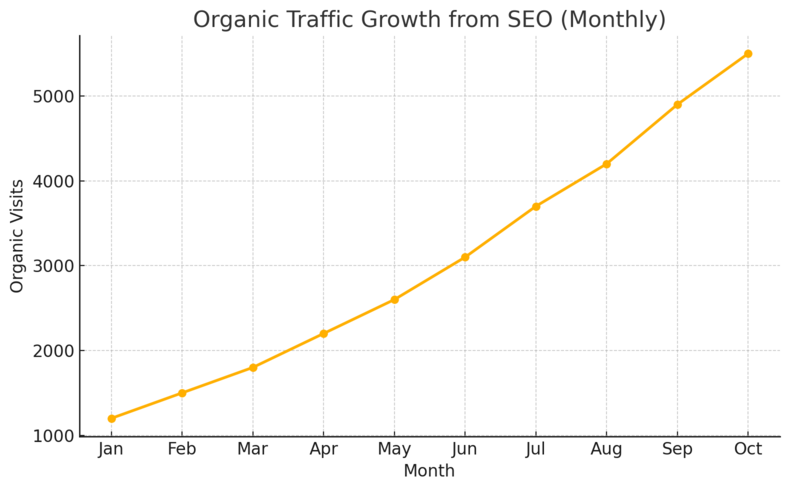
SEO is one of the smartest ways to make a new business grow online without paying for every click. Done right, it drives consistent, qualified traffic that converts.
Target Long-Tail Keywords With High Intent
Long-tail keywords are phrases like “best eco-friendly skincare for acne” instead of just “skincare.” They attract customers ready to buy, not just browse. Use Ahrefs or Ubersuggest to find terms with moderate volume and low competition.
Example: If you sell handmade candles, target “soy candles with essential oils” instead of “candles.” It’s more specific and aligns with purchase intent.
Create Quality Content That Solves Real Problems
Search engines reward helpful content, but so do humans. Write blog posts, guides, and FAQs that directly address your customer’s pain points. I believe the best-performing content teaches before it sells.
Try this:
- Research questions from Reddit or Quora in your niche.
- Turn them into blog posts or YouTube videos.
- Add internal links to your product pages.
Use Google’s People Also Ask box to spot related questions to answer in your content—it’s a goldmine for keyword ideas.
Optimize Meta Tags, URLs, And Internal Links
Your metadata is your ad copy in search results. Write titles that include your main keyword naturally and meta descriptions that entice clicks.
For example: Instead of “Home | Sarah’s Bakery,” try “Order Fresh Cakes Online | Sarah’s Bakery.”
Keep URLs short and readable (e.g., yourdomain.com/fresh-baked-cakes). Add internal links between blog posts and service pages to strengthen SEO and guide users to related content.
Earn Backlinks From Authoritative Sources
Backlinks are like votes of confidence for your site. But it’s not about quantity—it’s about quality. Reach out to industry blogs for guest posting, collaborate on expert roundups, or list your business on reputable directories.
I often advise using HARO (Help a Reporter Out) to earn links from journalists looking for expert quotes. It’s an efficient way to build authority fast.
3. Create Valuable, Consistent Content Marketing
Content marketing builds trust before the sale. When people consistently see your brand solving their problems, you become the go-to source.
Develop A Blog Strategy Aligned With Your Niche
Your blog shouldn’t be a random collection of posts—it should be a strategic asset. Define your pillars (main topics) and create supporting articles that connect to them.
Example structure:
- Pillar: “Digital Marketing for Startups”
- Cluster: “SEO Basics,” “Email Automation,” “Facebook Ad Setup”
Plan content around audience questions and publish regularly. I recommend using Trello or Notion to organize your editorial calendar and track progress.
Use Storytelling To Connect With Your Audience
Facts tell, but stories sell. A relatable story keeps readers engaged longer and builds emotional connection.
If you sell online courses, share how you struggled to learn a skill yourself and what changed. That authenticity can outperform generic “how-to” guides every time.
Add mini case studies or customer journeys to your content—people trust experiences more than claims.
Repurpose Content Into Multiple Formats
Don’t let great content sit still. Turn a blog post into a LinkedIn carousel, a short YouTube tutorial, or an infographic. It saves time and expands reach.
Simple repurposing ideas:
- Blog → Newsletter summary
- Webinar → Podcast episode
- Product guide → Instagram Reels tutorial
Tools like Canva and Descript make repurposing faster and more creative, even if you’re not a designer.
Collaborate With Industry Experts For Reach
Working with other voices boosts credibility and audience reach. You can co-write an article, host a live Q&A, or record a joint podcast.
I’ve seen collaborations double engagement because they expose your brand to a pre-qualified audience.
Platforms like LinkedIn or X (Twitter) are great for initiating collaborations—just start by engaging with expert posts before pitching ideas.
4. Use Social Media To Build Brand Awareness
Social media can fast-track your visibility and is one of the most practical ways to make a new business grow online.
The key isn’t posting everywhere—it’s posting where your audience already spends their time and showing up consistently with genuine interaction.
Choose Platforms That Match Your Audience
Not every platform will work for every business. I suggest focusing on one or two that align best with your target demographic and content style.
Quick breakdown:
- Instagram: Great for visual brands, eCommerce, lifestyle, or fashion.
- LinkedIn: Ideal for B2B services, consultants, and professional brands.
- TikTok & YouTube Shorts: Perfect for storytelling and viral reach.
- Pinterest: Works well for DIY, food, decor, and visual inspiration.
For example, if you sell handmade crafts, Pinterest might outperform Instagram.
But a digital marketer will see better ROI sharing case studies and tips on LinkedIn. Test small campaigns on different platforms before committing to one fully.
Post Consistently With Engaging Visuals
Algorithms reward consistency. I recommend building a content calendar using tools like Later to plan weekly posts. Consistency signals reliability and keeps your brand top of mind.
When it comes to visuals, quality matters more than quantity. Even simple Canva templates can make your posts look polished. Focus on clarity—strong colors, minimal text, and storytelling images.
Pro tip: Share behind-the-scenes moments. People love authenticity more than perfection. If you’re working late to finish an order or testing a new design, share that. It humanizes your brand.
Leverage Short-Form Video Content
Short-form video is dominating attention right now—think TikTok, Instagram Reels, and YouTube Shorts. The best part? You don’t need high-end equipment. A phone camera and good lighting are enough.
Use these formats to:
- Share quick tips or hacks.
- Show your product in action.
- Tell customer success stories.
- Add personality—humor or storytelling works wonders.
I’ve found that educational or relatable videos outperform pure promotion. Keep them under 30 seconds and hook your audience in the first 3 seconds.
Engage Genuinely With Comments And Messages
Engagement isn’t just replying—it’s conversation. Respond to comments, ask questions, and thank people for sharing your posts. This builds trust faster than paid ads ever could.
Use tools like Hootsuite Inbox to manage replies efficiently. If someone takes time to comment, take time to reply. Even a simple “Thanks for your support!” goes a long way.
Think of it like digital word-of-mouth: Each small interaction plants the seed of loyalty and brand advocacy.
5. Run Targeted Paid Advertising Campaigns
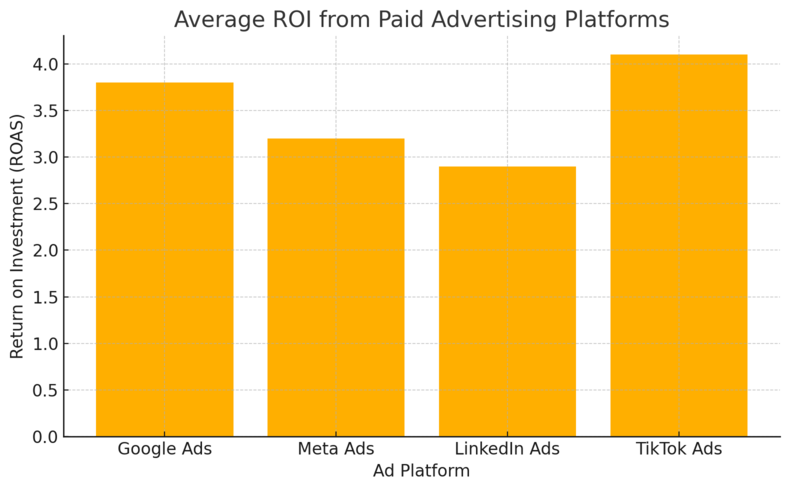
Paid ads accelerate what’s already working. When combined with organic marketing, they can help a new business grow online faster by reaching your ideal audience at scale—without guesswork.
Start Small With PPC And Social Ads
Pay-per-click (PPC) and social media ads are perfect for testing audience response before scaling. I suggest starting with a modest budget ($5–$20/day) to gather data.
Platform examples:
- Google Ads: Great for intent-based searches (people actively looking for your product).
- Meta Ads (Facebook & Instagram): Excellent for visual products and retargeting.
- LinkedIn Ads: Best for B2B services and professional audiences.
When setting up, focus on one goal at a time—traffic, leads, or conversions. Splitting objectives early on dilutes results.
Use A/B Testing To Optimize Ad Performance
A/B testing is the process of comparing two versions of an ad to see which performs better. I suggest testing one element at a time—like your image, headline, or CTA.
Example workflow:
- Duplicate your best-performing ad.
- Change only one variable (e.g., headline).
- Run both for 3–5 days.
- Analyze results using cost-per-click (CPC) and conversion rate.
You can do this easily inside Meta Ads Manager by toggling “A/B Test” under Experiments. It’s one of the simplest yet most powerful optimization habits to adopt early.
Retarget Visitors To Increase Conversions
Most people don’t buy on their first visit. Retargeting helps you re-engage them. Use Facebook Pixel or Google Tag Manager to track visitors and show them ads based on their behavior.
For instance, if someone viewed your product page but didn’t check out, you can show them a discount ad later. It’s like a gentle reminder rather than a hard sell.
I’ve seen brands double their ROI from retargeting alone—it’s that effective when combined with strong creatives and timing.
Track ROI Using Google Analytics And Pixels
You can’t improve what you don’t measure. Use Google Analytics 4 (GA4) and tracking pixels to measure which campaigns bring real results, not just clicks.
Inside GA4:
- Navigate to Reports > Acquisition > Traffic Acquisition to see which channels perform best.
- Use Conversions setup to track form submissions or purchases.
Always track return on ad spend (ROAS)—that’s your ad revenue divided by ad cost. It tells you whether your campaigns are profitable or just eating budget.
6. Build An Email Marketing Funnel That Converts
Email marketing is where you turn followers into customers and customers into loyal fans. Done right, it’s one of the most cost-effective ways to make a new business grow online.
Offer A Lead Magnet To Grow Your List
A lead magnet is something valuable you offer in exchange for an email—like a free checklist, guide, or discount code. It’s the handshake that starts the relationship.
Examples that work:
- “10-Minute Productivity Checklist” (for coaches).
- “15% Off Your First Order” (for eCommerce).
- “Free Mini-Course: Start Your Blog in 3 Days” (for digital educators).
You can set this up with MailerLite or Aweber using landing pages. Once people opt in, guide them toward your paid offers gradually.
Segment Your Audience For Personalization
Not all subscribers are the same. Segment your list based on behavior—like purchase history, engagement level, or interests.
For instance:
- New subscribers → Welcome sequence
- Past buyers → Upsell or loyalty content
- Inactive users → Win-back campaign
In ActiveCampaign, this takes just a few clicks under Contacts > Segments. Personalization makes readers feel understood, not marketed to—and that’s powerful.
Automate Email Sequences For Nurturing Leads
Automation keeps your marketing running while you sleep. Create a sequence that educates, builds trust, and gradually introduces your offer.
A simple sequence might look like:
- Welcome + story about your brand.
- Free tip or resource.
- Social proof (testimonials or results).
- Soft sell (limited-time offer).
I believe email automation is the best balance between personal touch and scalability. Tools like Kit (formerly ConvertKit) or HubSpot make this process smooth even for beginners.
Write Engaging Subject Lines And CTAs
Your subject line is your first impression. If it doesn’t get opened, nothing else matters. Keep it short (under 45 characters) and personal.
Examples:
- “You’ll love this one, I promise…”
- “Quick tip that doubled my leads.”
- “Still thinking about it? Here’s a reason to act.”
For CTAs, focus on clarity and benefit: “Start My Free Trial” works better than “Submit.” Always sound human—avoid sounding robotic or overly formal.
7. Optimize For Local SEO And Google My Business
If you’re trying to find ways to make a new business grow online and you serve local customers, local SEO is your secret weapon.
It helps people nearby discover your business exactly when they’re ready to buy.
Claim And Optimize Your Business Listing
Start with your Google Business Profile listing—it’s your digital storefront on Google.
Claim your profile through Google Business Manager, then complete every section: Business name, address, phone number, hours, website, and services.
Quick optimization checklist:
- Add high-quality photos of your storefront, products, or team.
- Use your primary keyword in the description naturally.
- Choose the most accurate business category.
- Add your location on Google Maps correctly.
I recommend checking your GMB performance weekly under Performance > Search Insights. It shows how people find you (search or maps) and which actions they take (calls, website visits, directions).
Collect Customer Reviews And Ratings
Reviews act as modern word-of-mouth. According to BrightLocal, 98% of people read online reviews before buying locally.
Encourage satisfied customers to leave feedback by sending them a direct link. You can find it in your GMB dashboard under Get More Reviews > Share Review Form.
To increase responses:
- Ask right after a positive experience.
- Keep it simple (“We’d love your quick feedback on Google!”).
- Reply to every review, positive or negative—it shows care and builds trust.
I’ve seen local cafes and salons double their traffic simply by boosting reviews from 5 to 50. Google favors businesses that are actively reviewed and responsive.
Use Local Keywords In Content And Metadata
Local keywords connect your business to your community. If you’re a bakery in Austin, “best cupcakes in Austin” or “custom birthday cakes near me” can drive real leads.
I suggest using Google Keyword Planner or Ubersuggest to find location-based keywords.
Then, sprinkle them naturally in:
- Page titles and meta descriptions.
- H1 and H2 headings.
- Your homepage and service pages.
Also, embed a Google Map on your contact page and ensure your NAP (Name, Address, Phone) is consistent everywhere online—including directories like Yelp or Bing Places.
Post Regular Updates To Stay Active Locally
Staying active signals Google that your business is alive and relevant. Use your GMB dashboard to post updates about events, offers, or new products.
Example: If you’re hosting a “Weekend Sale” or “New Menu Launch,” post it under Updates > Add Offer.
These small posts show up directly on your listing and can boost engagement dramatically. I’ve seen posts like this generate 30–40% more clicks from Maps searches alone.
8. Partner With Influencers And Micro-Creators
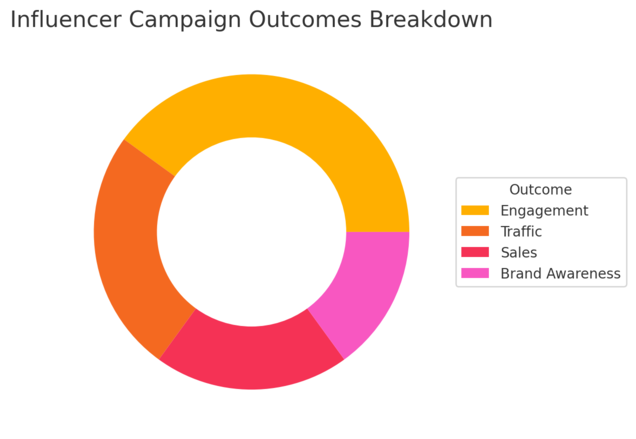
Influencer marketing isn’t just for big brands.
For new businesses, collaborating with micro-creators (1k–50k followers) can be one of the most effective ways to make a new business grow online without overspending.
Identify Influencers Relevant To Your Niche
Start small and strategic. You don’t need a celebrity—just someone your target audience trusts. Look for creators who share content in your niche and have strong engagement, not just followers.
Practical tools:
- Upfluence and HypeAuditor for influencer discovery.
- Instagram search using niche hashtags (#ecofriendlybeauty, #localfoodreview).
When vetting influencers, check their comment sections. Are followers genuinely engaging or just bots? Authenticity beats vanity metrics every time.
Negotiate Authentic, Value-Based Collaborations
Instead of paying for one-off posts, focus on mutual value. Offer free products, commissions, or exclusive experiences.
Example: A fitness brand could give an influencer a free workout kit plus affiliate commission for every sale generated through their link.
Be clear about expectations—content type, posting schedule, and deliverables—but allow creative freedom. I’ve found that when influencers can speak naturally, their audience responds better.
Track Performance With Affiliate Links Or Codes
You need to know what’s working. Use affiliate tracking tools like Refersion or Shopify Collabs to generate unique discount codes or links.
Metrics to watch:
- Clicks and conversions per influencer.
- Average order value (AOV).
- Return on collaboration (ROI).
This helps you double down on creators who bring actual results instead of just likes.
Build Long-Term Relationships For Brand Trust
One-time collaborations rarely create lasting impact. The real magic happens when influencers become brand advocates over time.
Check in regularly, send thank-you gifts, or feature them on your website. These small gestures make partnerships genuine, which leads to more authentic promotion and word-of-mouth momentum.
Think of influencers as extensions of your brand, not just marketing channels.
9. Use Analytics To Make Data-Driven Decisions
Analytics turns guesswork into strategy. When you understand how users behave, you can refine your marketing and grow faster with less waste.
Monitor Traffic Sources And User Behavior
Start by identifying where your traffic comes from—organic search, social, paid ads, or referrals. In Google Analytics 4, go to Reports > Acquisition > Traffic Acquisition.
Then study user behavior:
- Which pages get the most visits?
- How long do people stay?
- Where do they drop off?
I recommend using Hotjar for heatmaps and session recordings. Watching how people navigate your site reveals usability issues that numbers alone can’t show.
Identify Top-Performing Content And Channels
Not every blog or social post performs equally. Identify what drives real engagement and conversions.
For example, if tutorials outperform promotional content, create more of them. If Instagram brings more leads than Twitter, shift your focus.
Use Google Search Console to see which keywords drive impressions and clicks. Over time, you’ll notice clear patterns that tell you exactly where to invest effort.
Set Up Conversion Tracking And KPIs
Define what success looks like. For some, it’s newsletter sign-ups; for others, it’s completed purchases.
In GA4, go to Admin > Events > Create Event to track actions like form submissions or button clicks. Assign values to key actions to measure ROI more accurately.
KPIs I recommend tracking include:
- Conversion rate.
- Cost per acquisition (CPA).
- Customer lifetime value (CLV).
These metrics turn raw data into actionable insights.
Adjust Strategies Based On Real-Time Insights
Don’t wait for monthly reports. Use live dashboards in Google Looker Studio to monitor performance daily.
If you notice a sudden traffic dip, investigate immediately. Maybe a page lost ranking or an ad stopped running. Staying proactive helps you fix small issues before they become major setbacks.
Adaptability is the quiet superpower of online growth.
10. Focus On Customer Retention And Brand Loyalty
Acquiring new customers costs up to five times more than keeping existing ones. That’s why building loyalty is one of the smartest ways to make a new business grow online long-term.
Provide Exceptional Post-Purchase Support
Customer experience doesn’t end at checkout—it starts there. I suggest setting up automated follow-up emails to thank customers, confirm delivery, and offer support.
Tools like Zendesk or Gorgias make managing customer inquiries smooth by centralizing messages from email, social, and chat.
Pro tip: A friendly, fast response often turns a one-time buyer into a repeat customer.
Encourage User-Generated Content And Referrals
When customers share photos or reviews, it’s social proof you can’t buy. Encourage this by creating a branded hashtag or offering small rewards for tagged posts.
Referral programs also work wonders. Tools like ReferralCandy or Smile.io automate rewards for both referrers and new customers.
It’s a simple loop: people trust people more than ads.
Build A Loyalty Or Rewards Program
Reward programs keep customers coming back. Offer points for every purchase, review, or referral that can be redeemed later.
For eCommerce, platforms like LoyaltyLion integrate easily with Shopify and WooCommerce.
Example: A customer earns 10 points per $1 spent and gets $10 off after 1,000 points. It’s small incentives like this that create lifetime loyalty.
Use Feedback Loops To Continuously Improve
Your customers are your best product testers. Ask for their feedback regularly through short surveys or follow-up emails.
You can use Typeform to collect feedback, then analyze common trends. If multiple people mention slow shipping or unclear instructions, fix it fast.
Improvement shows you listen—and that’s what earns long-term trust.

I’m Juxhin, the voice behind The Justifiable.
I’ve spent 6+ years building blogs, managing affiliate campaigns, and testing the messy world of online business. Here, I cut the fluff and share the strategies that actually move the needle — so you can build income that’s sustainable, not speculative.
Related posts:
 How to Create a Digital Marketing Strategy
 How to Grow Online Business on Instagram Step-by-Step for Beginners
 How to Promote a Business
 Online Business Courses: Start Your Entrepreneurial Journey Today
 Boost Your Digital Marketing Business Revenue in 90 Days
 How to Grow Online Business on Facebook Using Groups and Ads