
Table of Contents
Some links on The Justifiable are affiliate links, meaning we may earn a small commission at no extra cost to you. Read full disclaimer.
Website marketing solutions can make or break your online visibility. You might have a great product, service, or message—but what’s the point if no one sees it?
The real question is: how can you boost website traffic instantly without relying on slow, traditional methods?
In this guide, you’ll discover 10 actionable, proven website marketing solutions that can drive qualified visitors to your site faster than you think.
1. Optimize Your Website For Search Engines
To drive consistent, high-quality traffic, your website must first be discoverable.
Search engine optimization (SEO) ensures your site appears when people look for what you offer. Here’s how to fine-tune your foundation.
Conduct A Full SEO Audit To Find Hidden Gaps
An SEO audit is your roadmap for growth. It identifies technical errors, content gaps, and ranking barriers.
Tools like Google Search Console, Ahrefs, or Screaming Frog can crawl your site and reveal issues such as broken links, duplicate content, and crawl errors.
I suggest starting with these quick steps:
- Check for missing title tags and meta descriptions. These help search engines understand your content.
- Ensure every page has one clear H1 heading that matches search intent.
- Audit for slow-loading pages and missing alt text on images.
- Review your index coverage report in Google Search Console to find unindexed pages.
In my experience, an audit done quarterly keeps you from unknowingly losing organic visibility. Once you fix the technical gaps, your content has room to rank and perform.
Target Long-Tail Keywords For Faster Ranking Wins
Long-tail keywords—phrases with three or more words—are less competitive and more specific. For instance, instead of targeting “running shoes,” aim for “best running shoes for flat feet.”
You can find these using Google’s People Also Ask, Ubersuggest, or AnswerThePublic. These tools reveal what your audience actually types into search bars.
I recommend creating one blog post or landing page around each long-tail keyword. You’ll rank faster and attract visitors who are closer to making a decision—often leading to better conversions.
Improve Page Speed And Mobile Optimization
If your site takes longer than 3 seconds to load, most visitors will leave. That’s not just a user experience issue—it’s a ranking one.
To speed things up:
- Compress images using TinyPNG or EWWW.io.
- Enable browser caching through your hosting panel (often found under “Performance” or “Caching”).
- Use a content delivery network (CDN) like Cloudflare to serve your content faster worldwide.
- Test mobile responsiveness using Bing’s Mobile-Friendly Test.
I once optimized a client’s eCommerce site by reducing image sizes and implementing lazy loading—their conversions jumped by 18% within a week. Page speed isn’t just technical; it directly affects revenue.
Leverage Internal Linking For Higher Authority Flow
Think of internal links as pathways that guide both users and Google through your content. When done strategically, they help distribute authority and keep visitors exploring longer.
Here’s how I approach it:
- Link from high-traffic pages to underperforming ones.
- Use descriptive anchor text like “content marketing strategy guide” instead of “click here.”
- Keep links relevant—context matters more than quantity.
If you use WordPress, plugins like Link Whisper can automate suggestions. The result? Stronger site structure, higher engagement, and improved ranking potential across your pages.
2. Create High-Converting Content That Attracts Visitors
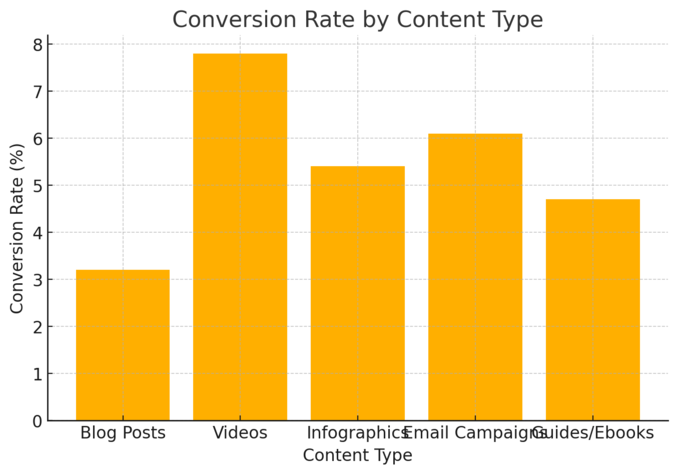
Great content is the heart of any effective website marketing solution. But to stand out, your content must do more than inform—it must convert.
Use SEO Blog Posts That Solve Real User Problems
Write with empathy and clarity. Every post should answer a specific question your audience is asking. For example, instead of a general topic like “email marketing,” write “how to write emails that get opened in 2025.”
I recommend structuring each post using the problem–solution–example format:
- Problem: Describe what your reader is struggling with.
- Solution: Offer actionable advice.
- Example: Show real-world proof or data.
Use SurferSEO or Clearscope to align your content with search intent while maintaining natural flow.
Add Visual Content Like Infographics And Short Videos
Visuals break down complex ideas and keep users engaged. An infographic summarizing a blog post can also earn backlinks when shared on platforms like Pinterest or Reddit.
Short videos (under 90 seconds) on key topics can work wonders—embed them using YouTube or Loom. In one of my campaigns, a single explainer video boosted page time by 45%.
When creating visuals, always compress files and use descriptive filenames like “seo-audit-checklist.png” for better search visibility.
Repurpose Top-Performing Content Across Multiple Platforms
If you have a blog post that performs well, repurpose it into different formats—LinkedIn posts, Instagram carousels, or YouTube tutorials.
Here’s how you can do it efficiently:
- Convert key insights into a short email series.
- Use data points as tweets or short-form videos.
- Compile related posts into an ebook or downloadable guide.
Repurposing extends your reach without doubling your workload—and it keeps your message consistent across every platform.
Implement Content Upgrades To Capture Leads
Content upgrades are bonus materials that encourage visitors to subscribe or download something valuable. Examples include PDF checklists, templates, or swipe files.
To make them work:
- Offer the upgrade inside high-traffic blog posts.
- Use a tool like ConvertBox or OptinMonster for attractive pop-ups or inline forms.
- Deliver instantly through your email service provider (like MailerLite or Aweber).
A small, well-placed upgrade can dramatically increase your email list growth—especially when tied to content that solves a pressing pain point.
3. Leverage Email Marketing Campaigns To Drive Repeat Traffic
Email remains one of the most powerful ways to bring people back to your site. When done right, it nurtures trust and boosts recurring traffic.
Build A Segmented Email List Based On User Intent
Segmentation means sending the right message to the right person. Divide your audience by behavior, interest, or purchase history.
For example:
- Subscribers who downloaded your “SEO checklist” could receive content about technical optimization.
- Customers who bought a product can get post-purchase tips or related offers.
I suggest using ActiveCampaign or Klaviyo—both allow you to automate segments easily based on triggers like clicks or purchases.
Create Click-Worthy Subject Lines And Personalization
Your subject line decides whether your email gets opened. Keep it short (under 50 characters) and make it specific. Instead of “New blog update,” try “Boost traffic in 5 minutes—my latest SEO tip.”
Use personalization tags like {first_name} and behavioral triggers like “You left this in your cart.” Just avoid overdoing it—it should feel natural, not robotic.
Experiment with A/B testing tools built into Mailchimp or Kit (formerly ConvertKit) to see what resonates best.
Send Value-Driven Email Newsletters Weekly
The goal of a newsletter is to give before asking. Share insights, quick tips, or even behind-the-scenes stories that build trust.
In my experience, a consistent schedule (weekly or biweekly) keeps engagement higher than sporadic sends. Keep your emails short, scannable, and link back to your site for full articles.
Include CTAs like “Read full guide” or “Watch this walkthrough.” Every email should have one clear next step for the reader.
Automate Drip Campaigns For Consistent Engagement
Drip campaigns send a pre-written series of emails automatically over time—ideal for onboarding or re-engagement.
For example, a 5-email sequence might look like this:
- Welcome and thank-you email.
- Educational content or free resource.
- Quick win tip or mini case study.
- Offer or product recommendation.
- Reminder or feedback request.
Platforms like HubSpot and Getresponse let you automate these easily. Once it’s set up, your audience stays warm, engaged, and ready to revisit your site repeatedly.
Pro Tip: Combine these website marketing solutions in layers rather than isolation. SEO brings new visitors, content keeps them interested, and email nurtures them into loyal followers. The synergy between these channels is what truly accelerates your traffic growth.
4. Run Targeted Social Media Ad Campaigns
Running social media ad campaigns is one of the fastest ways to generate website traffic.
The key is targeting the right audience with the right message on the right platform.
Identify Which Platform Delivers Your Best ROI
Each social platform behaves differently—and not every one will suit your business. I usually recommend testing Facebook, Instagram, LinkedIn, TikTok, and Pinterest for at least two weeks each to find where your best returns come from.
Quick tip: Start by checking where your existing audience is most active. Tools like Meta Audience Insights or LinkedIn Campaign Manager show you age, interests, and behavior data about your followers.
Then look at ROI in two ways:
- Cost per click (CPC): Measures how much you pay per visit.
- Conversion rate: Shows how many of those clicks actually take action (like signing up or purchasing).
For instance, I once worked with a B2B SaaS client who assumed Instagram wasn’t right for them.
But after testing, LinkedIn brought high-quality leads at $9 per click, while Instagram delivered conversions at half that cost. Numbers tell the real story.
Use Retargeting Ads To Re-Engage Abandoned Visitors
Retargeting ads help you reconnect with people who visited your site but didn’t convert. You’ve probably seen these before—like when you browse shoes online and later see the same shoes on Facebook.
To set it up, install the Meta Pixel (for Facebook and Instagram) or Google Tag Manager to track visitors. Then, create a retargeting audience such as “Visited pricing page but didn’t buy.”
I suggest offering a small incentive, like a discount or free trial, in retargeting campaigns. It’s a gentle nudge that often converts hesitant visitors.
These ads tend to perform well because they reach users already familiar with your brand.
Test Ad Creatives And Headlines Regularly
Your ad creative (image or video) and headline determine whether someone scrolls past or stops to click. I advise testing at least two variations per campaign.
Try experimenting with:
- Formats: Carousel, video, single image, or story ads.
- Angles: Emotional appeal vs. direct benefit.
- Calls to action: “Learn more” vs. “Get started today.”
For example, in one campaign promoting a marketing course, the headline “Grow Your Blog Traffic Fast” outperformed “Learn SEO in 30 Days” by 36% simply because it focused on the outcome, not the process.
Optimize Campaigns Using Analytics Tools
Ad campaigns shouldn’t run on autopilot. Use analytics to track, refine, and improve performance every week.
I recommend using Meta Ads Manager, Google Analytics 4, or HubSpot Ads Dashboard to review:
- Click-through rates (CTR)
- Cost per acquisition (CPA)
- Return on ad spend (ROAS)
If an ad performs poorly after 3–5 days, pause it and test a new variation. Over time, you’ll see which visuals, headlines, and audiences deliver the strongest ROI.
It’s a cycle of testing, analyzing, and improving—much like fine-tuning a machine for efficiency.
5. Collaborate With Influencers To Expand Reach
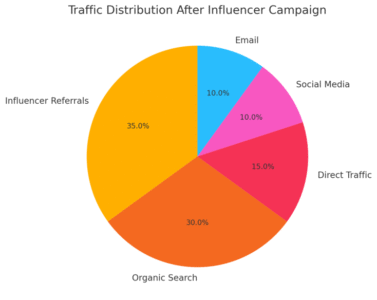
Influencer marketing can amplify your reach faster than paid ads when done strategically. The goal isn’t to chase massive names but to find voices your target audience already trusts.
Partner With Micro-Influencers For Niche Audiences
Micro-influencers (those with 5,000–50,000 followers) tend to deliver higher engagement rates and more genuine recommendations. They speak directly to small, loyal communities who trust their word.
To find them, search using niche hashtags or tools like Upfluence and Collabstr. Before partnering, review their engagement rate (likes + comments ÷ followers × 100). Anything above 3% is a good sign.
I once helped a skincare brand collaborate with five micro-influencers instead of one celebrity. The campaign generated 40% more traffic and cost half as much. It’s proof that influence isn’t about audience size—it’s about connection.
Create Authentic, Story-Based Campaigns
Audiences see through forced promotions. That’s why I encourage letting influencers share stories, not sales pitches.
Ask them to show how they use your product in real life. For example, instead of “Try this coffee brand,” they could say, “This coffee keeps me focused during my morning routine.” Authenticity sells better than perfection.
Make the process easy for them: provide guidelines, not scripts. This balance allows creative freedom while keeping your brand message consistent.
Offer Incentives For Affiliate Or Ambassador Programs
Influencers often perform better when they have a reason to stay engaged long-term. Set up an affiliate or ambassador program offering commissions or free perks.
Example:
- 10% commission on every sale using their unique referral link.
- Exclusive early access to new products.
- Social features or shoutouts on your brand page.
Affiliate tools like Refersion, Tapfiliate, or Impact can automate tracking and payments. This transforms a one-time collaboration into an ongoing partnership.
Track Conversions From Influencer Collaborations
Always measure the real impact. Use trackable links with UTM parameters (via Google Analytics) or discount codes unique to each influencer.
Track:
- Website visits from their posts.
- Sales or sign-ups from referral links.
- Engagement metrics like comments and saves.
I advise reviewing data weekly to see which influencers generate true conversions versus just likes. This helps you double down on high performers for future campaigns.
6. Use Paid Search Ads To Capture Immediate Attention
Paid search ads—especially Google Ads—are ideal when you need fast, high-intent traffic. Unlike social media ads, these appear when someone is actively searching for your offer.
Research High-Intent Keywords With Google Ads
Before spending a cent, identify high-intent keywords—phrases people use when they’re ready to buy. Examples include “buy email marketing software” or “best SEO agency near me.”
Inside Google Ads Keyword Planner, filter by:
- Search volume: Aim for at least 1,000 monthly searches.
- Competition level: Medium or low for better cost efficiency.
- CPC (Cost per click): Check affordability relative to your budget.
I often create a keyword list sorted by purchase intent. Start bidding on terms like “hire,” “buy,” or “services” to capture people near the bottom of the funnel.
Optimize Ad Copy For Click-Throughs
Your ad copy must instantly communicate value. People scan search results quickly, so every word matters.
Keep in mind:
- Headline 1: State your offer (e.g., “Boost Website Traffic Fast”).
- Headline 2: Add a unique benefit (e.g., “Expert SEO & PPC Strategies”).
- Description: Include proof or a call to action.
I suggest using dynamic keyword insertion (DKI) in Google Ads to automatically place the searched keyword in your headline—it makes your ad more relevant and clickable.
Split-Test Landing Pages To Increase Conversions
Even the best ad fails if your landing page doesn’t convert. That’s why I always A/B test different versions.
For instance, try changing one element at a time:
- Headline wording.
- Button color or placement.
- Form length (shorter usually performs better).
Tools like Unbounce or Instapage can automate testing and analytics. One small tweak, like switching from “Submit” to “Get My Free Demo,” can lift conversions by 20–30%.
Set Up Remarketing Campaigns For Lost Leads
Remarketing brings back visitors who clicked your ad but didn’t convert. You can run these through Google Ads or Display Network.
To set it up:
- Create an audience for users who visited your landing page but didn’t complete checkout or sign-up.
- Serve them a more persuasive follow-up ad—like “Still interested? Get 10% off today.”
- Limit ad frequency to avoid fatigue (2–3 impressions per day).
This strategy keeps your brand top of mind and often cuts conversion costs dramatically. One of my campaigns reduced CPA from $38 to $22 just by adding a remarketing layer.
Pro Tip: Paid channels work best when integrated. Run search ads for high-intent leads, retarget them with social ads, and re-engage them via email. The magic happens when all your marketing efforts work together, not in isolation.
7. Harness The Power Of Social Proof
Social proof is one of the most persuasive website marketing solutions because it builds instant trust.
People are far more likely to engage or buy when they see others have already done so successfully.
Display Verified Reviews And Testimonials
Customer reviews are like digital word-of-mouth. In fact, 93% of users say online reviews influence their buying decisions. I suggest featuring verified testimonials directly on high-traffic pages—especially landing pages and pricing sections.
You can use tools like Trustpilot, Yotpo, or Google Reviews to collect and display authentic feedback.
Here’s what works best:
- Star ratings: Simple, visual trust indicators that boost credibility.
- Photo + name: Personalizes the testimonial.
- Video reviews: Humanize your brand instantly.
For example, one client of mine added video testimonials to their SaaS homepage and saw a 24% increase in free trial sign-ups within two weeks. Reviews don’t just validate your product—they convert.
Add Case Studies To Build Trust With Visitors
Case studies take social proof deeper. They show the process behind the results. Instead of just saying, “We helped X company grow,” walk readers through what actually happened.
Structure your case study like this:
- Problem: What the client struggled with.
- Solution: How your product or service helped.
- Results: Quantifiable outcomes (traffic, revenue, conversions).
You can design these as blog posts, downloadable PDFs, or interactive sliders. I advise highlighting real data—like “Increased organic traffic by 82% in 60 days.” The more specific the number, the more believable the story.
Use Real-Time Pop-Ups Showing Recent Activity
Real-time notifications—like “John from New York just signed up!”—build urgency and confidence. Tools like ProveSource, UseProof, or FOMO make it easy to set up.
To avoid overwhelming visitors, limit these pop-ups to key actions: purchases, sign-ups, or downloads.
I’ve tested this on ecommerce sites where adding live sales pop-ups increased conversion rates by 15%. It’s subtle social reinforcement that works quietly but effectively.
Encourage User-Generated Content On Social Media
User-generated content (UGC) turns customers into advocates. Encourage users to share photos or stories using your brand hashtag.
For example, if you run a fitness brand, ask customers to post their workout results using your product. Then, repost those stories on your social channels and website.
Platforms like TINT or Taggbox help aggregate UGC automatically.
I recommend offering small incentives—discounts or features—for submissions. Real people sharing real experiences? That’s the most genuine marketing you’ll ever have.
8. Build Strategic Backlinks For Organic Authority
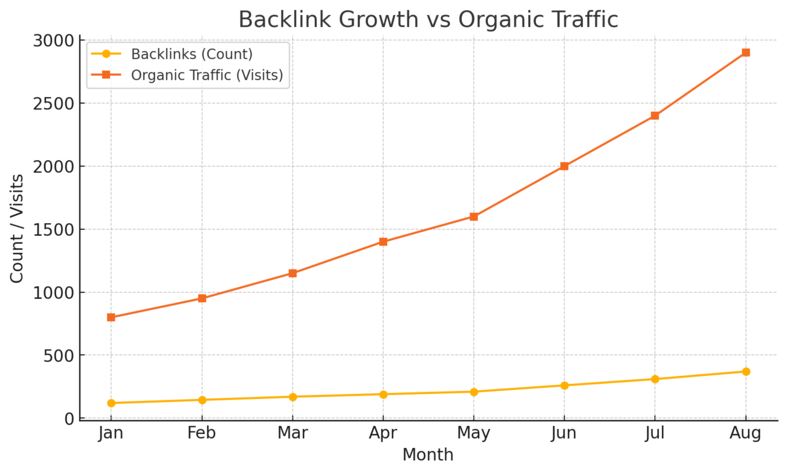
Backlinks are still one of the strongest ranking factors for SEO. Think of them as digital votes of confidence—each one tells Google that your content is trustworthy and valuable.
Reach Out For Guest Posts On Relevant Websites
Guest posting remains a powerful backlink strategy when done right. Focus on quality, not quantity. A single link from an authoritative site can be more valuable than ten from small blogs.
To get started:
- Use Ahrefs Content Explorer to find relevant sites.
- Pitch unique, data-driven ideas.
- Include one contextual link to your site in the body, not just the bio.
I often personalize outreach emails like this: “I recently read your post on [topic]—loved your point about [specific insight]. I’d love to contribute a complementary piece on [your topic idea].” That personal touch boosts acceptance rates significantly.
Use Broken Link Building To Earn Quality Backlinks
Broken link building is like digital recycling—you find broken links on other sites, then offer your content as a replacement.
Here’s a quick method:
- Use Ahrefs or Check My Links to find dead links on relevant blogs.
- Create or repurpose content that matches the broken page’s topic.
- Reach out to the webmaster suggesting your resource as a fix.
This approach not only earns backlinks but also provides genuine value, which site owners appreciate.
Collaborate On Resource Roundups In Your Industry
Resource roundups are posts that list the best tools, blogs, or experts in a niche. They’re goldmines for backlinks because authors often include your site in exchange for collaboration.
Search Google for phrases like “best [industry] tools roundup” or “top [topic] blogs.” Reach out with a short note introducing your resource and why it deserves inclusion.
I once helped a marketing platform get featured in 12 roundups in a single month using this method—it boosted their domain authority by 8 points.
Monitor Backlink Quality Using Tools Like Ahrefs
Not all backlinks are good for SEO. Low-quality links can hurt your ranking. That’s why I recommend monitoring your backlink profile regularly using Ahrefs or SEMrush.
Inside Ahrefs:
- Go to Backlink Profile → Referring Domains.
- Check Domain Rating (DR)—avoid links from sites below 20.
- Disavow toxic links using Google’s Disavow Tool if necessary.
Keeping your link profile clean and authoritative ensures long-term SEO stability.
9. Implement Conversion Rate Optimization (CRO) Tactics
Getting traffic is one thing; turning it into action is another. CRO focuses on making your visitors take the next step—whether that’s subscribing, buying, or booking.
Use A/B Testing To Improve Key Pages
A/B testing helps you compare two versions of a page to see which one performs better. Tools like VWO or Optimizely make this process simple.
Test elements such as:
- Headlines and subheadings.
- Button color and placement.
- Form length and CTA text.
For instance, changing a CTA from “Submit” to “Get My Free Quote” once increased conversions by 22% for one of my clients. Small changes can make a big difference.
Simplify Navigation To Reduce Bounce Rates
Complex menus or cluttered layouts confuse visitors. I advise simplifying your site’s structure so users can find what they need within 2–3 clicks.
Use clear menu labels, add a visible search bar, and reduce unnecessary elements. You can also review your Google Analytics Behavior Flow to identify where users drop off.
The easier your site is to navigate, the longer people stay—and the more likely they are to convert.
Improve CTA Placement And Copywriting
Your call-to-action (CTA) should appear naturally within the user’s journey. Don’t make people scroll endlessly to find it.
Use action-oriented language like Get Started, Claim My Offer, or Try It Free. Position CTAs near high-engagement sections—like at the end of blog posts or beside testimonials.
I believe the best CTAs blend urgency with reassurance. “Start free—cancel anytime” removes hesitation instantly.
Use Heatmaps To Understand Visitor Behavior
Heatmaps visually show where visitors click, scroll, and spend time on your site. Tools like Hotjar or Crazy Egg can reveal surprising patterns.
For example, you might discover users rarely scroll past the halfway point on your homepage—meaning your CTA might be too low.
I recommend analyzing heatmaps monthly. It’s like getting inside your visitor’s head without guessing.
10. Analyze Performance And Adjust Strategies Continuously
Marketing success doesn’t come from doing one thing once—it comes from analyzing, learning, and improving continuously.
Track Traffic Sources With Google Analytics
Knowing where your traffic comes from helps you focus on what works. Inside Google Analytics 4 (GA4), navigate to Reports → Acquisition → Traffic Acquisition.
Check your top channels—organic, paid, referral, and social—and compare them by engagement and conversion rates.
For instance, if 70% of your traffic is from organic search but only 5% converts, it’s time to refine your content or landing pages.
Identify High-Performing Channels To Double Down On
Look for patterns in your data. Which channel brings the highest return? Maybe your Facebook ads outperform Google Ads, or your blog posts convert better than YouTube videos.
Once you find your winners, double your efforts there. Reallocate budget, create more content in that format, and scale.
Set Up Conversion Goals To Measure ROI
Goals help you measure success beyond just “traffic.” Inside GA4, go to Admin → Events → Create New Event to track actions like sign-ups, form submissions, or downloads.
Assign a monetary value to each conversion if possible. It helps you calculate true ROI instead of relying on vanity metrics like pageviews.
Use Insights To Refine Future Campaigns
Data without action is wasted potential. Review analytics monthly and look for trends.
Ask:
- Which campaigns drove the most valuable visitors?
- Which pages had the highest exit rates?
- What keywords are underperforming?
Then make small, targeted adjustments—rewrite a headline, tweak a CTA, or test a new audience segment. Continuous refinement compounds results over time.
Pro Tip: The best marketers aren’t those who get it perfect the first time—they’re the ones who iterate. Measure, learn, and adapt. That’s how every website marketing solution turns from a tactic into a long-term growth engine.

I’m Juxhin, the voice behind The Justifiable.
I’ve spent 6+ years building blogs, managing affiliate campaigns, and testing the messy world of online business. Here, I cut the fluff and share the strategies that actually move the needle — so you can build income that’s sustainable, not speculative.