
Table of Contents
Some links on The Justifiable are affiliate links, meaning we may earn a small commission at no extra cost to you. Read full disclaimer.
If you’ve ever wondered how to grow your business online for free, you’re not alone. Many entrepreneurs think growth requires huge ad budgets or complex tech tools—but that’s not entirely true.
With the right plan and consistent action, you can attract traffic, build trust, and increase sales without spending a cent.
So, how can you turn your website, social platforms, and email list into a growth engine that runs on creativity instead of cash? Let’s break it down step by step.
Build a Strong Online Foundation
Before you can grow your business online for free, you need a solid digital base—your website, search visibility, and core assets.
Think of this stage like laying the groundwork for a house; everything else depends on it.
Create a Free, Professional Website
If you don’t already have a website, start there. It’s your digital storefront—where customers first decide whether they trust you.
Free tools like WordPress.com, Wix, or Google Sites make it possible to build a clean, mobile-friendly website without coding.
Here’s a quick path: Go to WordPress.com → Click “Start your site” → Choose a free theme → Add your logo, about page, and contact info.
A professional site should include:
- Simple navigation: Avoid clutter—3–5 top-level pages are ideal.
- Consistent branding: Use one or two fonts, a unified color palette, and your logo across all pages.
- Mobile optimization: More than 60% of users browse on phones, so preview your design on mobile before publishing.
I suggest treating your homepage like a handshake—it should clearly tell visitors who you are, what you offer, and why they should care.
Optimize Your Website for Search Engines (SEO)
SEO is what makes your free traffic engine run. It ensures people can actually find your business online.
Start with these essentials:
- On-page optimization: Include keywords naturally in page titles, headings, and meta descriptions.
- Page speed: Use Google PageSpeed Insights to test and improve load time.
- Alt text: Add short, descriptive text to images (like “handmade ceramic mug on wooden table”) so search engines understand your visuals.
- Free SEO plugins: If you’re using WordPress, I recommend Rank Math for on-page guidance.
For example, if you sell handmade soaps, include phrases like “natural soaps for sensitive skin” or “eco-friendly bath products” where it fits naturally in your content.
Claim Your Google Business Profile for Local Visibility
Your Google Business Profile (GBP)—formerly Google My Business—is a free and powerful way to appear in local search results and Google Maps.
Here’s how: Go to google.com/business → Click “Manage Now” → Enter your business name and details → Verify ownership (via phone, text, or mail).
Once verified, add:
- Photos of your business or products.
- Opening hours, website, and phone number.
- Short description with relevant keywords.
I’ve seen local businesses jump in visibility within days just by optimizing their GBP. Encourage satisfied customers to leave reviews—it’s one of the strongest ranking signals for local search.
Set Up Essential Pages That Convert Visitors into Leads
Every successful website includes a few key pages that turn visitors into actual leads or buyers:
- Home page: Your value proposition in one sentence—what you offer and why it matters.
- About page: Tell your story authentically; people buy from people, not faceless brands.
- Services or products page: Include clear descriptions, visuals, and an easy way to purchase or inquire.
- Contact page: Use a short form, email, and clickable phone number.
- Lead capture: Offer something valuable—a free guide, checklist, or newsletter—to collect emails.
A simple pop-up or embedded form through tools like Aweber or MailerLite can help you build your list automatically.
Leverage Social Media Platforms Strategically
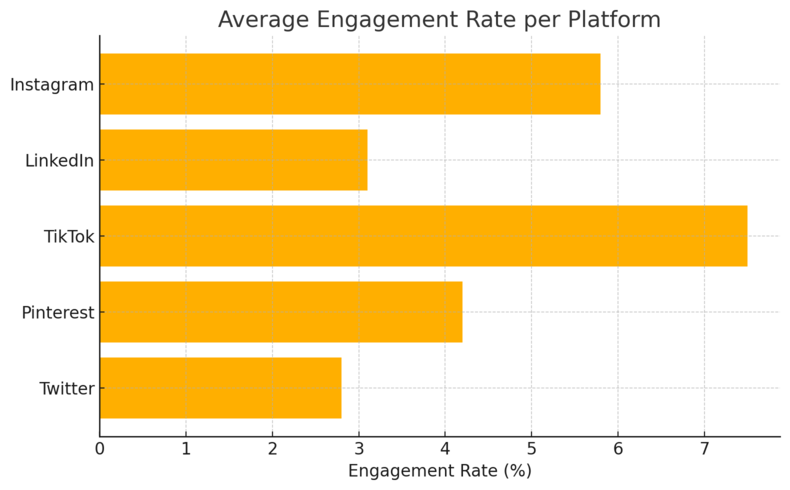
Social media is your free marketing amplifier. The key is choosing the right platforms and building real connections, not just posting for the sake of it.
Identify the Best Free Platforms for Your Business Niche
Different audiences live on different platforms:
- Instagram: Visual storytelling for lifestyle, fashion, beauty, or food.
- LinkedIn: B2B services, consulting, and thought leadership.
- TikTok: Quick educational or behind-the-scenes content that builds personality.
- Pinterest: Ideal for eCommerce, DIY, and design-focused brands.
If you’re just starting, pick two platforms and do them well. I advise tracking engagement over 30 days to see which one brings genuine traffic or inquiries.
Develop a Consistent Posting Schedule Using Free Tools
Consistency beats quantity. You don’t need to post daily—just regularly. Tools like Buffer, Later, or Meta Business Suite let you schedule posts for free across platforms.
Try this rhythm:
- 3–4 posts per week.
- Mix content types: tutorials, behind-the-scenes, and user tips.
- Use analytics (built into most platforms) to post during high-engagement times.
Batch-create content weekly so you’re not scrambling daily. I’ve found this small habit alone doubles engagement.
Engage Authentically with Your Audience to Build Trust
People can tell when you’re only there to sell. The magic happens in the comments, DMs, and replies.
Practical ways to build connection:
- Respond to every comment—even a simple “Thanks for sharing!” matters.
- Ask questions in captions (“What’s your favorite productivity hack?”).
- Share follower content or stories (with permission).
When engagement feels real, algorithms reward you with more visibility—and people remember you as approachable, not pushy.
Use User-Generated Content to Boost Credibility
Nothing sells better than proof from real people. Encourage happy customers to share photos, videos, or testimonials about your products.
Here’s a simple way to make it happen:
- Create a branded hashtag (e.g., #MyEcoMug).
- Feature customer posts on your feed or website.
- Offer a small incentive—like a shoutout or entry into a giveaway.
According to Nielsen, 92% of consumers trust user-generated content over traditional ads. It’s free, powerful, and instantly boosts your credibility.
Drive Free Traffic Through SEO and Content Marketing
Content marketing is how you attract consistent traffic without paying for ads.
It’s about solving real problems through blogs, videos, and resources that your audience actually searches for.
Conduct Keyword Research Using Free Tools Like Google Keyword Planner
Before writing any content, you need to know what people are searching for. Head to Google Keyword Planner and enter a broad term like “digital marketing.” You’ll see related searches, volume, and competition level.
Look for:
- Keywords with medium to low competition but decent volume (500–5,000 searches/month).
- Question-based searches like “how to grow your business online for free.”
Once you have a list, create topic clusters—groups of related posts around one theme. This builds topical authority and helps your site rank faster.
Create Evergreen Blog Content That Solves Real Problems
Evergreen content is timeless—guides and how-tos that stay relevant for years. For instance, “How to Write a Business Plan” or “Ways to Get Clients Without Paid Ads.”
Tips for writing powerful content:
- Start with a problem: What keeps your audience up at night?
- Offer actionable solutions: Include step-by-step methods.
- Use visuals: Screenshots, charts, or examples boost clarity.
- Update regularly: Refresh outdated facts or links every few months.
When readers find real value, they share your posts—and that’s free amplification.
Build Backlinks Through Guest Posts and Collaborations
Backlinks are like digital referrals from other sites, signaling to Google that your content is trustworthy.
To get them:
- Pitch guest articles to blogs in your niche.
- Collaborate on podcasts or roundups.
- Offer expert quotes to journalists via Help a Reporter Out (HARO).
A short, authentic outreach email that highlights value (“I can contribute a guide on optimizing SEO for small brands”) works far better than a generic pitch.
Use Internal Linking to Keep Visitors on Your Site Longer
Internal links guide readers to related pages, improving engagement and SEO. For example, link a blog post about “Email Marketing Strategies” to another about “Free Email Tools.”
Keep in mind:
- Use descriptive anchor text (“learn email automation tips” instead of “click here”).
- Add 2–4 internal links per article.
- Periodically check for broken links using Ahrefs Broken Link Checker or Screaming Frog.
When visitors explore multiple pages, your bounce rate drops—and Google notices.
Expert Tip: Focus on value first, algorithms second. If your content genuinely helps people solve their problems, search engines will follow your audience—not the other way around.
Build an Email List Without Paid Ads
Your email list is your most valuable digital asset. Unlike social media, you own it—no algorithm changes can take it away. The good news is, you can grow it completely free with the right mix of creativity and consistency.
Offer Valuable Freebies to Encourage Sign-Ups
People won’t hand over their email address for nothing.
You need to offer value first. Think of what your audience struggles with most, then create a simple free resource that solves that problem.
A few high-converting examples:
- PDF checklists (e.g., “5 Steps to Grow Your Business Online for Free”)
- Mini email courses delivered over 3–5 days
- Templates or swipe files that save time
- Free tools or calculators built on Google Sheets
If you’re using WordPress, you can easily integrate a signup form with plugins like Kit (formerly ConvertKit). Just create a form → add a headline (“Get the Free Guide”) → connect it to your email list → and place it in your homepage, blog sidebar, or exit popup.
I suggest keeping your form short—just name and email. Fewer fields mean higher conversions.
Use Free Email Marketing Platforms to Automate Campaigns
You don’t need a paid tool to send professional emails. Platforms like Omnisend, Moosend (free plan), and Brevo (formerly Sendinblue) let you send automated sequences and newsletters without paying upfront.
Here’s how I set it up in MailerLite:
- Create a welcome email that delivers your freebie immediately.
- Add a short follow-up sequence introducing your brand story and top content.
- Schedule regular newsletters (weekly or biweekly) to stay top of mind.
Automation is key here. Once your sequence is live, it runs while you sleep—building relationships automatically.
Pro tip: Always use your real name in the “From” field. Personal emails feel more trustworthy than generic “no-reply@business.com” addresses.
Write Engaging Newsletters That Drive Clicks and Conversions
A newsletter should feel like a conversation, not a broadcast. Focus on being useful, personal, and consistent.
Use this simple structure:
- Hook: Start with a short, relatable story or question.
- Value: Teach one useful thing or share an insight.
- CTA: End with a clear next step—read an article, join a group, or reply.
For example, I once helped a client improve their open rates by changing the subject line from “Our November Update” to “You’re Making This Common SEO Mistake.” It tripled the click-through rate overnight.
Keep your tone natural and conversational. Write like you’re emailing a friend who needs help, not like you’re addressing a crowd.
Segment Your Subscribers for More Personalized Outreach
Not every subscriber has the same needs. Segmenting lets you send the right message to the right people.
Here’s how to do it easily:
- Tag new subscribers based on what freebie they downloaded.
- Separate customers from leads so they get different emails.
- Use engagement-based segmentation (active vs inactive subscribers).
Most free email tools let you create segments automatically. For instance, in Activecampaign, you can set a rule: “If subscriber clicks on X link → add tag Y.”
I recommend reviewing your segments monthly. A small amount of personalization—like addressing pain points directly—can double engagement.
Use Free Online Communities and Forums to Network
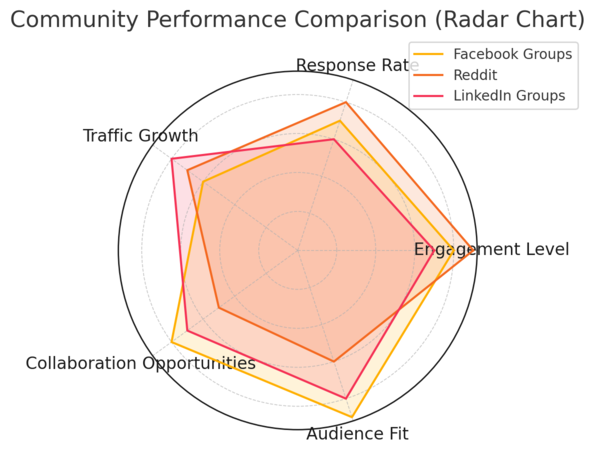
Online communities are goldmines for building relationships, brand awareness, and traffic—if you use them strategically.
The goal isn’t to promote, but to connect and serve first.
Join Relevant Facebook Groups, Reddit Threads, or LinkedIn Communities
Start by searching for niche-specific spaces where your ideal audience hangs out.
For example:
- Facebook Groups for entrepreneurs or freelancers
- Reddit communities like r/smallbusiness or r/digitalmarketing
- LinkedIn Groups for B2B connections
Join 3–5 communities, then spend a week just listening. Observe what people ask, what frustrates them, and what kind of posts get the most engagement. Once you understand the dynamics, start contributing thoughtfully.
I’ve found that answering questions generously (without pitching) builds more credibility than any paid ad ever could.
Share Value First to Establish Credibility Before Promoting
Think of every post as a chance to help, not sell. When people trust your advice, they’ll naturally check your profile or website.
Ways to share value:
- Write short, practical responses to common problems.
- Post “quick wins” or lessons from your experience.
- Link to resources (your own or others’) that genuinely help.
I remember joining a copywriting Facebook group where I spent two months just helping members with their headlines.
When I finally launched a free workshop, the sign-ups came instantly—because people already knew me as someone who gave first.
Collaborate with Other Small Businesses for Mutual Growth
Networking isn’t just about talking—it’s about teaming up.
Consider:
- Co-hosting webinars with complementary businesses.
- Guest appearances on podcasts or live streams.
- Cross-promotions (e.g., “I’ll share your product if you share mine”).
These collaborations multiply your reach without any cost. Just make sure your audiences overlap and your values align. A genuine partnership feels authentic to both sides’ communities.
Turn Community Insights into New Content Ideas
Online discussions are a goldmine for discovering what your audience actually wants.
Keep a running note of:
- Repeated questions or frustrations.
- Phrases or terms your audience uses.
- Topics that get the most engagement.
You can then turn those insights into blog posts, lead magnets, or even video content.
For instance, if you see multiple people asking, “How do I grow my email list without ads?”, that’s a perfect topic for your next article or YouTube tutorial.
I’ve built entire content calendars just from Reddit threads—it’s like having free audience research at your fingertips.
Create Video and Visual Content That Grabs Attention
Visual content travels faster and connects deeper. The good news? You don’t need fancy equipment or a big budget—just your phone, creativity, and free editing tools.
Use Free Tools Like Canva and CapCut for High-Quality Visuals
Both Canva and CapCut are incredible for beginners.
- Canva: Lets you create social graphics, infographics, and YouTube thumbnails using drag-and-drop templates.
- CapCut: A free video editor that makes trimming, captioning, and adding transitions effortless.
Here’s how I usually work: Design a static post in Canva → repurpose it into a short video → then edit the video in CapCut. This workflow helps you keep content consistent across platforms.
Always stick to simple visuals that reinforce your message. Overly complex graphics can distract from what you’re saying.
Start a YouTube Channel to Educate and Showcase Expertise
YouTube is a long-term traffic generator—it’s search-driven, meaning your content keeps working months after it’s posted.
Getting started is easier than it seems:
- Create a channel using your Google account.
- Upload educational videos—tutorials, how-tos, or explainer content.
- Add keyword-rich titles and detailed descriptions.
For example, if your niche is fitness coaching, a video titled “How to Build Muscle at Home Without Equipment” can attract thousands of views organically.
I recommend posting consistently, even if it’s once a week. Over time, you’ll build authority and visibility with zero ad spend.
Repurpose Videos into Reels, Shorts, and Stories for Wider Reach
Short-form video is where most organic reach lives today. Take one long YouTube video and break it into 4–5 clips optimized for platforms like Instagram Reels, TikTok, and YouTube Shorts.
Quick steps:
- Identify the most engaging 15–30 second moments.
- Add captions and text overlays for sound-off viewers.
- End each clip with a call-to-action like “Follow for more quick tips.”
This multiplies your visibility across platforms without doubling your effort. It’s one of the smartest ways to grow your business online for free using existing content.
Use Thumbnails and Titles Strategically to Increase Click-Throughs
The title and thumbnail are your first impression—they decide whether people click or scroll past.
A few tips that work:
- Use faces with expressive emotion in thumbnails.
- Keep titles under 60 characters.
- Combine curiosity and clarity (“I Tried Growing My Business Online for Free—Here’s What Happened”).
I once ran A/B tests on thumbnails using Canva—simply changing colors from muted gray to bright yellow increased clicks by 28%. Small tweaks like that make a measurable difference.
Expert Tip: Free growth is never about doing everything—it’s about doing the right things consistently. Focus on creating real value, connecting genuinely, and refining your process. The compounding effect of small, smart actions will outlast any paid campaign.
Master Organic Marketing on Search and Social
Organic marketing is the backbone of growing your business online for free.
It’s about showing up where your audience already spends time—search and social—and creating content that naturally attracts them.
Optimize Social Media Bios and Captions for SEO
Your social bio is your 10-second elevator pitch. It tells new visitors who you are, what you do, and why they should care.
I suggest you:
- Add your primary keyword (like “digital marketing strategist” or “eco-friendly skincare brand”).
- Use one clear call-to-action, such as “Download my free guide” or “Shop the collection.”
- Include your website link (use a tool like Linktree or Beacons if you have multiple links).
For captions, think of them like mini blog posts—keyword-rich but conversational. For example, instead of saying, “New product alert,” you could write, “Looking for ways to grow your business online for free? Here’s a new tool I swear by.” This blends natural SEO with authenticity.
Use Hashtags Intelligently to Reach Target Audiences
Hashtags help your content get discovered beyond your followers. But the trick is relevance over volume.
Here’s how to use them smartly:
- Mix broad hashtags (#marketing, #entrepreneurship) with niche ones (#solopreneurlife, #freelancetips).
- Limit to 5–10 per post for Instagram, and 2–3 for LinkedIn or X (Twitter).
- Research hashtags using Flick or RiteTag to find ones with medium competition (50k–300k posts).
I’ve tested this repeatedly: switching from overused hashtags like #business to targeted ones like #digitalgrowthtips increased reach by 37%. The smaller the niche, the more visible you become.
Post Consistently During Peak Engagement Times
Timing plays a big role in organic visibility. Most platforms favor posts that gain quick engagement after publishing.
You can find your peak times by:
- Checking Instagram Insights → Audience → “Most Active Times.”
- Using free tools like Later to test different posting times.
- Tracking engagement trends over a few weeks.
As a rule of thumb:
- LinkedIn: 8–11 AM on weekdays
- Instagram: 9–11 AM or 6–9 PM
- TikTok: Evenings, 7–10 PM
- Pinterest: Weekends work best
Consistency doesn’t mean spamming. I recommend 3–4 high-quality posts weekly instead of daily filler.
Encourage Comments and Shares to Trigger Algorithm Boosts
Every platform rewards engagement depth—comments, shares, saves, and clicks tell the algorithm your post deserves more reach.
Ways to encourage that naturally:
- Ask open-ended questions (“What’s one strategy that’s worked for you?”).
- Share controversial or thought-provoking opinions (without being polarizing).
- Reply to every comment within the first hour—it doubles engagement visibility.
I once tested two identical posts, one with a question at the end and one without. The one with a question earned 4x more comments. Small tweaks like that trigger massive algorithmic benefits.
Track Progress and Optimize Using Free Analytics Tools
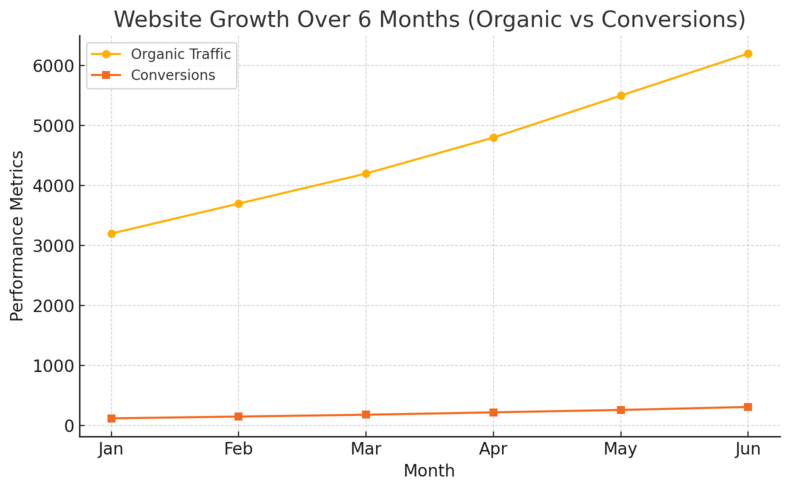
Growth without tracking is guesswork. Data tells you what’s actually working and where to double down.
Fortunately, there are plenty of free tools to measure performance.
Set Up Google Analytics and Search Console to Monitor Growth
Google Analytics and Search Console are essential for tracking traffic, conversions, and keyword performance.
To get started:
- Go to analytics.google.com and create a free account.
- Add your website URL and install the tracking code.
- Connect it with Google Search Console at search.google.com/search-console.
Analytics shows you where visitors come from (organic, social, referral), while Search Console shows what they searched before finding you. I check these weekly to spot which pages bring in traffic—and which need SEO improvement.
Analyze Which Content Drives the Most Conversions
Once data starts rolling in, identify which pages or posts are converting visitors into subscribers or customers.
In Google Analytics 4:
- Go to Reports → Engagement → Pages and screens.
- Sort by Conversions or Average engagement time.
For example, if your blog post on “Email marketing tips” drives most newsletter signups, that’s a sign to create similar content. This data-driven loop helps you create more of what works—without spending extra.
Use Heatmaps to Understand Visitor Behavior
Heatmaps show where visitors click, scroll, or drop off on your site. They’re visual gold for optimization.
You can use Hotjar or Microsoft Clarity (both free) to generate heatmaps. Once installed, you’ll see a color-coded map: red areas get the most attention, blue areas get ignored.
In one client case, we discovered most users never scrolled past the “About” section, missing the call-to-action below. Moving the button higher doubled their conversions overnight.
Adjust Strategy Based on Real Data, Not Guesswork
Data without action is just noise. Every 30 days, review your numbers and make small improvements.
Ask yourself:
- Which traffic sources are bringing real leads?
- Are my email open rates improving?
- What content gets the most engagement or shares?
If one strategy underperforms, don’t scrap it immediately—tweak it. Change a headline, shift timing, or adjust visuals. Continuous optimization is how you grow sustainably and stay ahead.
Turn Followers and Visitors into Loyal Customers
Attracting traffic is only half the journey. Turning visitors into loyal customers is what sustains long-term growth.
Build a Simple Lead Nurture Funnel Without Paid Tools
A lead nurture funnel is just a fancy way of saying: guide your audience from curiosity to trust to purchase.
Here’s how to build it free:
- Create a lead magnet (like a free guide).
- Use a signup form via Aweber.
- Send a 3-email sequence:
- Email 1: Deliver the freebie.
- Email 2: Share a personal story or value tip.
- Email 3: Offer a free consultation or demo.
I like to think of this as a “relationship ladder.” Each touchpoint builds trust without pressure, moving people closer to becoming customers naturally.
Offer Free Consultations, Demos, or Trials to Build Trust
Free experiences reduce hesitation and increase conversions.
Examples that work:
- 15-minute discovery calls for service businesses.
- Free trials for software tools.
- Sample downloads for digital products.
You can automate bookings using TidyCal. Just link it to your site or social profiles.
In my experience, even a handful of these free calls can turn warm leads into paying clients—because they’ve experienced your value firsthand.
Collect Reviews and Testimonials to Strengthen Social Proof
People trust other people. Reviews and testimonials are the easiest way to build credibility without ads.
Ask for feedback right after a positive interaction. A short message like, “If you’ve enjoyed working with me, could you share a quick review?” works wonders.
Display testimonials on your homepage, email signature, and social bios. According to BrightLocal, 46% of consumers trust online reviews as much as personal recommendations. That’s huge for free growth.
Keep Customers Engaged with Loyalty or Referral Programs
Once you’ve built a customer base, the goal shifts from getting more to keeping more.
Free platforms like Trello or Airtable can help you track referrals or rewards. Offer:
- Discounts for referrals.
- Early access to new content or tools.
- Special recognition (like “Customer of the Month”).
I’ve found that even simple thank-you gestures can create lasting brand advocates. Loyalty isn’t bought—it’s earned through consistency and care.
Stay Consistent and Scale Gradually
Scaling doesn’t mean rushing. It means repeating what works while refining your systems.
Create a Weekly Growth Routine to Stay Accountable
A growth routine keeps momentum steady.
I like to break my week into simple buckets:
- Monday: Review analytics and plan content.
- Tuesday–Thursday: Create and post content.
- Friday: Engage and connect with my community.
Consistency is easier when it’s scheduled, not spontaneous. Even 30 focused minutes a day compounds over time.
Automate Repetitive Tasks with Free Productivity Tools
Automation saves your brainpower for creativity.
Use tools like:
- Zapier or IFTTT to connect apps and trigger workflows.
- Notion for content calendars and planning.
- Google Sheets for tracking goals or leads.
For instance, you can set up a Zap that adds new form submissions from your website directly into a Google Sheet—no manual entry needed. It’s small efficiencies like these that free up your time for growth work.
Outsource Small Tasks Using Freelance Platforms When Ready
When your business starts earning consistent revenue, consider outsourcing repetitive work.
Try Fiverr or Upwork for:
- Graphic design
- Blog editing
- Data entry or research
Start small—delegate one task at a time. I used to handle everything myself until I realized outsourcing design work gave me hours back each week to focus on strategy and clients.
Set Realistic Goals and Review Progress Monthly
Growth isn’t linear—it’s layered. Set goals that stretch you without overwhelming you.
Ask yourself monthly:
- What worked best this month?
- What felt like wasted effort?
- What’s one process I can improve next?
Document progress in a simple tracker. Even seeing small wins written down fuels motivation. Scaling a business online for free isn’t a sprint; it’s a rhythm you refine over time.
Expert Tip: Free growth compounds when you stay consistent. Every piece of content, connection, and improvement stacks over time. Keep showing up—even when growth feels slow—because the foundation you’re building now will sustain your business long after the trend-chasers burn out.

I’m Juxhin, the voice behind The Justifiable.
I’ve spent 6+ years building blogs, managing affiliate campaigns, and testing the messy world of online business. Here, I cut the fluff and share the strategies that actually move the needle — so you can build income that’s sustainable, not speculative.
Related posts:
 How Can I Grow My Business Online Without Spending on Ads?
 Online Business Ideas: 10 Proven Ways to Make Money
 How to Increase Social Media Followers
 What is CallRail? Discover the Power of Call Tracking and Analytics
 Engage with Customers: 7 Tips for Positive Brand Loyalty
 How to Grow an Online Business That Scales While You Sleep