
Table of Contents
Some links on The Justifiable are affiliate links, meaning we may earn a small commission at no extra cost to you. Read full disclaimer.
If you’ve been exploring ways to start an online business without dealing with inventory or shipping hassles, SaleHoo dropshipping might be the opportunity you’ve been searching for.
I remember when I first stumbled across SaleHoo—it was the simplicity and reliability that caught my attention. Instead of guessing which suppliers were trustworthy, SaleHoo connected me with verified ones, saving time and avoiding costly mistakes.
In this guide, I’ll walk you through exactly how to start SaleHoo dropshipping and make money fast, even if you’re completely new to eCommerce.
Understanding How SaleHoo Dropshipping Works
Before jumping into product research or store setup, it’s worth understanding how SaleHoo dropshipping actually works.
Once you see the structure clearly, it becomes easier to spot where your profits come from — and how to scale faster.
What Makes SaleHoo Different From Other Dropshipping Platforms
Here’s the thing: most dropshipping platforms just give you a list of suppliers. SaleHoo does more than that — it curates them.
Every supplier inside SaleHoo’s database goes through a manual verification process, meaning they’re screened for product quality, delivery speed, and communication standards.
- Verified Trust: SaleHoo checks each supplier before listing them, unlike open marketplaces where anyone can sign up.
- Fixed Pricing Transparency: Many suppliers offer wholesale pricing or negotiated discounts you won’t find elsewhere.
- Community Access: You also get access to a private members’ forum where experienced sellers share insights and product trends.
In short, SaleHoo is built for people who don’t just want to “try dropshipping” but want to run it as a serious business with real, vetted suppliers.
The Role of Verified Suppliers in Reducing Business Risk
When I started, I made the mistake of sourcing from random suppliers on other marketplaces. Orders got delayed, quality was inconsistent, and refunds became a nightmare. SaleHoo eliminates that uncertainty.
- Supplier Verification: SaleHoo manually checks business licenses, contact details, and trade history before approval.
- Consistent Quality: Because suppliers are reviewed and rated by other dropshippers, you can see real performance data.
- Faster Shipping: Many SaleHoo suppliers already have fulfillment centers in key markets, reducing delivery times dramatically.
This system reduces the biggest risk of dropshipping — unreliable suppliers. That means fewer complaints, better reviews, and repeat customers.
How SaleHoo Connects Dropshippers to Global Markets
One of the best things about SaleHoo is its global reach. You’re not limited to one country or region.
SaleHoo connects you to over 8,000+ verified suppliers, many offering international shipping or warehouses in multiple regions. This opens doors for targeting customers in the U.S., U.K., Australia, or even smaller niche markets with less competition.
Here’s what that looks like in practice:
- You list a product sourced from a supplier in the U.S.
- A customer in Europe places an order.
- The supplier handles the entire fulfillment — packaging, shipping, and delivery — on your behalf.
You profit from the margin, while the supplier handles the logistics. That’s the true beauty of SaleHoo dropshipping — scale without stock.
Setting Up Your SaleHoo Account the Right Way
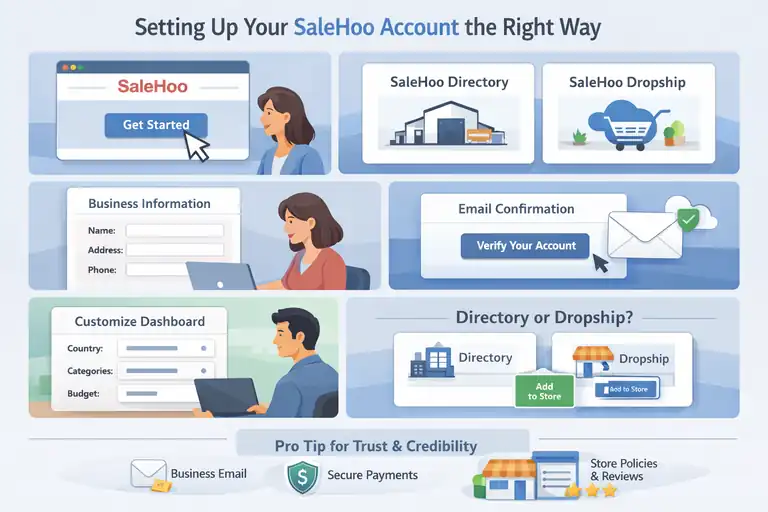
Getting your account setup right from the start saves time and prevents headaches later. Let’s go through the process step-by-step so you can start selling confidently.
Step-by-Step Process to Create and Verify Your Account
- Go to SaleHoo.com and click Get Started.
- Choose Your Plan: Select either the SaleHoo Directory or SaleHoo Dropship (I’ll explain the difference shortly).
- Enter Your Business Details: Use your real name and address — this helps with supplier verification later.
- Confirm Email and Set Password: You’ll receive a confirmation link. Click it to activate your account.
- Customize Your Dashboard: Set your country, preferred product categories, and budget range to personalize your supplier recommendations.
Once you’re in, take a few minutes to explore the dashboard. It’s user-friendly and filled with helpful guides, especially if you’re new to eCommerce.
How to Choose Between SaleHoo Directory and SaleHoo Dropship
This is where beginners often get confused — but it’s actually simple.
- SaleHoo Directory: A database of 8,000+ verified wholesale and dropship suppliers. You contact suppliers directly to negotiate terms, minimum order quantities, and shipping details. Best for sellers who want full control and flexibility.
- SaleHoo Dropship: A done-for-you integration with Shopify. It lets you import products directly to your store and automate order fulfillment. Perfect if you want to start quickly without dealing with supplier management.
If you’re brand new, SaleHoo Dropship is usually the better starting point. Once you gain experience and scale, you can explore the Directory for more exclusive supplier relationships.
Pro Tip: Setting Up Payment and Seller Credentials for Trust
Trust is a silent conversion booster. The more legitimate your store looks, the faster people will buy.
- Use a Business Email: Instead of a Gmail address, create one with your store domain (like hello@yourstore.com).
- Set Up Secure Payments: Use trusted payment gateways like PayPal, Stripe, or Shopify Payments.
- Add Store Policies: Return, refund, and privacy policies should be visible on your site.
- Display Reviews and Contact Info: These small trust signals can make a big difference in buyer confidence.
I’ve seen stores double their conversion rate just by tightening up these small trust elements. It’s worth the effort.
Choosing the Right Products to Sell Profitably
Your success in SaleHoo dropshipping depends heavily on what you sell. Choose right, and your products practically sell themselves. Choose wrong, and even the best marketing won’t save it.
How to Use SaleHoo Labs to Identify Winning Products
SaleHoo Labs is one of the most powerful features for beginners. It’s a built-in research tool that helps you find profitable products based on real data — not guesses.
Here’s how to use it effectively:
- Go to SaleHoo Labs inside your dashboard.
- Filter by Category or Niche: Select your area of interest (like beauty, tech gadgets, or home decor).
- Analyze Key Metrics: Look at sell rate, average price, and competition level.
- Look for “High Sell Rate, Low Competition” — that’s your golden zone.
Example: Suppose SaleHoo Labs shows LED makeup mirrors with a 78% sell rate and low competition. That’s a green light to list that product on your store.
Evaluating Product Demand, Competition, and Profit Margins
Even with SaleHoo Labs data, it’s smart to double-check demand and profit margins.
- Demand: Use Google Trends to see if the interest in your product is growing.
- Competition: Search your product on Amazon or Etsy. If there are many sellers but poor branding, there’s room for you.
- Profit Margin: Calculate your total costs (product price + shipping + platform fees). Aim for at least a 30–40% margin after costs.
I always recommend testing 3–5 products first instead of putting all your energy into one. It’s a low-risk way to find your first winner.
Mistakes Beginners Make When Picking Products to Dropship
This is where most people go wrong. Here’s what to avoid:
- Choosing trending products too late: By the time you see them all over social media, the market is often saturated.
- Ignoring shipping times: If your supplier ships from overseas, customers may face long delivery windows.
- Picking products you don’t understand: It’s hard to sell what you can’t confidently explain or demonstrate.
- Not checking return policies: Always confirm that your supplier offers clear, fair return options.
Remember — a great dropshipping product isn’t just popular; it’s profitable, unique, and solves a problem.
Finding And Vetting Reliable Suppliers On SaleHoo
Once you’ve chosen your niche, the next big step in SaleHoo dropshipping is finding suppliers you can truly rely on.
Your suppliers are the backbone of your business — the ones packing and shipping your products while your customers associate the experience with you. So it’s crucial to get this part right.
How To Read Supplier Profiles And Spot Red Flags
When browsing SaleHoo’s supplier directory, every supplier comes with a detailed profile. Think of this as their “resume.”
Here’s what to pay attention to:
- Company Details: Always check that the company’s name, address, and contact information are complete and consistent. Legit suppliers are transparent about who they are.
- Trading History: SaleHoo often lists how long the supplier has been active and what markets they serve. A supplier with at least 2–3 years of track record is a safer bet.
- Customer Reviews: Read what other dropshippers say about them. Repeated complaints about delivery times or quality are major red flags.
- Product Range & MOQ (Minimum Order Quantity): Some suppliers require bulk orders, while others fully support single-item dropshipping. Confirm before committing.
If something feels off — like vague company info, slow replies, or poor English communication — don’t ignore it. From experience, I’ve learned that early discomforts in communication often become bigger issues later.
Communicating With Suppliers Professionally And Effectively
Good communication can turn a decent supplier relationship into a profitable partnership. When you reach out, keep your tone professional but friendly.
Here’s a simple format I use:
- Introduce yourself clearly: Mention your store name and what you sell.
- Be specific: Ask direct questions about pricing, delivery times, or branding options.
- Request samples: It’s worth investing in sample products to test quality firsthand.
- Set expectations: Clarify how you’ll handle orders, returns, and tracking updates.
Suppliers appreciate clarity and confidence. And remember — they’re evaluating you too. Be responsive and polite, even if something goes wrong. It builds credibility fast.
Building Long-Term Supplier Relationships That Increase Profit
Treat your suppliers like business partners, not just vendors. That mindset pays off.
- Negotiate Discounts Over Time: Once you’ve placed several successful orders, ask for better pricing or faster shipping terms.
- Stay Loyal To Good Suppliers: Jumping between suppliers for minor price differences can harm consistency.
- Share Insights: Let them know which products perform well. They may prioritize you for new stock or exclusive deals.
I’ve personally seen a supplier knock off 15% from wholesale prices after a few months of steady orders. That kind of loyalty bonus adds up over time and directly boosts your profit margins.
Creating A Store That Converts Visitors Into Buyers
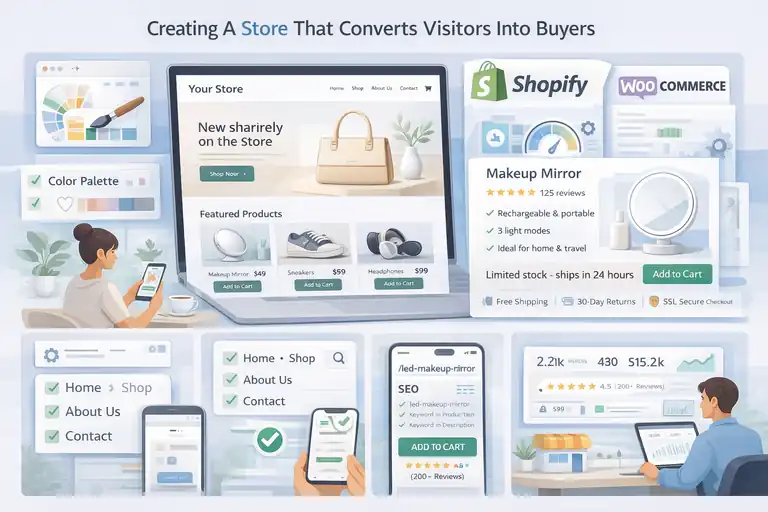
Your store is where everything comes together — your products, branding, and customer experience. Even if you have the best products, a poorly designed store can kill conversions instantly.
How To Build Your Store Using Shopify Or WooCommerce
Both platforms work well with SaleHoo. The difference lies in how hands-on you want to be.
- Shopify: Perfect for beginners. It’s user-friendly, integrates directly with SaleHoo Dropship, and handles hosting, payments, and security for you.
- WooCommerce: Ideal for people who prefer customization and already have a WordPress site. You’ll have more flexibility, but it requires a bit more setup.
When setting up your store:
- Choose a clean, mobile-friendly theme.
- Upload your logo and brand colors for a consistent feel.
- Set up key pages: Home, Shop, About, and Contact.
- Test your checkout process from a customer’s perspective.
Remember, a smooth shopping experience reduces abandoned carts and builds trust quickly.
Writing Product Descriptions That Build Trust And Urgency
Your product descriptions are your 24/7 salespeople. The goal is to connect emotionally while still being informative.
Here’s a structure that works:
- Start With a Benefit-Focused Hook: “Finally, a makeup mirror that gives perfect lighting — anywhere.”
- Highlight Key Features in Bullet Points: Customers love scannable info.
- Add a Mini Story or Use Case: “Whether you’re at home or traveling, this compact mirror ensures flawless results.”
- End With Urgency: “Limited stock — ships in 24 hours.”
Be honest. Don’t exaggerate benefits or make false claims. People can sense authenticity, and genuine descriptions convert better than hype.
Optimizing Product Pages For Mobile And SEO Performance
Since over 70% of online shopping now happens on mobile, your store must perform flawlessly there.
Quick optimization checklist:
- Compress images for faster loading times.
- Use short, descriptive URLs (like /led-makeup-mirror instead of /product1234).
- Add meta titles and descriptions using natural keywords.
- Include customer reviews and trust badges near the “Add to Cart” button.
For SEO, aim to use your focus keyword once in the product title and naturally in the first 100 words of the description. That alone can help your pages rank higher in Google results.
Pricing And Profit Strategy For SaleHoo Dropshipping
Pricing can make or break your business. Too high and you lose customers; too low and you lose profit. Finding that balance is both an art and a science.
How To Calculate Profit Margins And Hidden Costs Accurately
To make sure you’re actually making money, calculate your profit margin using this formula:
- Profit = Selling Price – (Product Cost + Shipping + Platform Fees + Ad Spend)
Always account for hidden costs like:
- Payment processing fees (usually 2–3%).
- Currency conversion charges if your supplier operates internationally.
- Refunds or damaged product replacements.
Aim for at least a 30–40% profit margin after all expenses. That gives you room for promotions and still leaves profit.
Psychological Pricing Tactics That Boost Sales
People don’t just buy with logic — they buy with emotion. Smart pricing taps into that.
- Charm Pricing: Ending prices with “.99” or “.95” creates a perception of better value.
- Anchoring: Display a “regular” price next to a discounted one to make the deal look irresistible.
- Bundle Offers: Combine related products and sell them together at a slightly lower rate.
I once increased conversions by 18% just by adding a “Buy 2, Get 10% Off” offer. Small tweaks like that can lead to huge differences in sales volume.
When And How To Adjust Prices Without Losing Customers
It’s normal to adjust prices as costs or demand change, but do it strategically.
- Test Gradually: Increase prices in small increments — say, 5–10%.
- Offer Added Value: Pair the price change with an upgrade like faster shipping or bonus content.
- Communicate Transparently: If loyal customers ask about changes, be upfront. People respect honesty.
Over time, pricing adjustments should align with your brand’s perceived value, not just your costs.
Marketing Your SaleHoo Dropshipping Store Fast
You’ve built your store, added products, and set your prices — now it’s time to drive traffic. Marketing is where your sales engine truly kicks in.
How To Use TikTok, Instagram, And Pinterest To Drive Free Traffic
Social media can be a goldmine for organic reach if you approach it strategically.
- TikTok: Post short, authentic videos showing your product in use. You don’t need fancy production — raw, relatable content works best.
- Instagram: Focus on visuals and storytelling. Use carousels, Reels, and customer testimonials to create engagement.
- Pinterest: Great for evergreen traffic. Optimize pins with keywords and link them to your product pages.
Post consistently, reply to comments, and mix educational content with product showcases. Social proof grows naturally when people see others loving what you sell.
Running Profitable Ads On Facebook And Google For Beginners
Paid ads can accelerate growth fast if done correctly. Start small to gather data.
- Facebook Ads: Test 2–3 ad creatives and audiences. Focus on interests related to your product niche.
- Google Shopping Ads: Ideal for products with clear intent — people already searching for them.
- Retargeting: Use retargeting campaigns to remind people who visited your site but didn’t buy.
A $10–$20 daily ad budget is enough to test what works without overspending. Track metrics like click-through rate (CTR) and return on ad spend (ROAS) to refine over time.
Leveraging Influencers And Micro-Collaborations For Quick Growth
You don’t need celebrity influencers. In fact, smaller “micro-influencers” (with 5k–50k followers) often deliver better engagement.
Steps to get started:
- Identify influencers who genuinely use or align with your niche.
- Offer free products or small commissions per sale.
- Ask for authentic reviews or short unboxing videos.
This approach builds trust faster than paid ads alone. One well-placed TikTok shoutout can bring in hundreds of visitors overnight — sometimes for less than $50 in product costs.
Managing Orders, Returns, And Customer Satisfaction
Once sales start coming in, your focus should shift to what really builds long-term success—smooth fulfillment and satisfied customers.
This is where SaleHoo dropshipping truly shines, helping you manage orders efficiently and reduce post-purchase headaches.
How SaleHoo Simplifies Order Fulfillment And Tracking
One of the best perks of using SaleHoo Dropship is how much it automates. You don’t need to manually copy orders or track shipments—it all syncs in the background.
Here’s how it typically works:
- Automatic Order Sync: When a customer buys from your store, SaleHoo sends the order details directly to your supplier.
- Supplier Handles Shipping: The supplier packages and ships the product directly to your customer, saving you time and effort.
- Live Tracking: Tracking numbers are automatically updated in your store, so customers can follow their shipment without having to message you.
In my experience, automation here prevents 90% of beginner headaches. You’re free to focus on marketing while SaleHoo’s system keeps operations tight and transparent.
Handling Refunds, Returns, And Difficult Customers Gracefully
Even with perfect suppliers, returns and refunds are inevitable. What matters most is how you handle them.
Here’s what I’ve learned works best:
- Have a Clear Policy: Post your refund and return policy visibly on your site. Make it simple and easy to understand.
- Respond Fast: A quick acknowledgment—even if you don’t have a full answer yet—shows professionalism.
- Stay Calm and Empathetic: Difficult customers aren’t personal; they’re frustrated. Your tone can de-escalate or amplify that emotion.
- Work With Your Supplier: SaleHoo’s verified suppliers are generally cooperative with returns or replacements, but always confirm before listing products.
A quick example: I once had a customer receive the wrong product color. Instead of arguing, I immediately apologized, contacted my supplier, and sent a replacement.
That one gesture turned a negative situation into a five-star review.
Why Excellent Customer Service Builds Repeat Buyers
Repeat customers are your best marketing strategy—they buy more and refer others. SaleHoo makes it easier to deliver excellent service, but the mindset comes from you.
- Be Proactive: Follow up after a few days asking if everything arrived as expected.
- Use Personal Touches: Even an automated thank-you email with their first name adds warmth.
- Turn Mistakes Into Opportunities: When you handle issues gracefully, customers often end up more loyal than if nothing had gone wrong.
A study by Bain & Company found that increasing customer retention by just 5% can boost profits by 25–95%. That’s a powerful reason to focus on service, not just sales.
Scaling Your SaleHoo Dropshipping Business
Once your SaleHoo dropshipping store is profitable and steady, it’s time to think about scaling. This means working smarter, not just harder—through automation, diversification, and brand building.
Automating Repetitive Tasks With Tools And Integrations
As orders increase, manual work becomes unsustainable. The key to scaling is automation.
Tools and integrations that help include:
- Zapier: Automate tasks like tagging customers, updating inventory, or sending notifications.
- Email Marketing Automations: Use platforms like Omnisend to send personalized product recommendations.
- Inventory Sync: Ensure real-time stock updates between SaleHoo and your store to avoid overselling.
By automating repetitive tasks, you free up time for strategy—testing new ads, building partnerships, and exploring new niches.
Expanding Into New Niches Or Product Categories
Diversification protects your business from sudden drops in demand.
Here’s how I usually do it:
- Use SaleHoo Labs again to identify related niches with consistent sales.
- Test one or two new products at a time to gauge response.
- Watch metrics like conversion rates and refund frequency before committing.
For example, if you started with beauty tools, consider branching into skincare accessories or makeup organizers. You’ll already have a warm audience interested in similar items.
Building A Brand Beyond Dropshipping For Long-Term Success
Dropshipping is a great start—but turning it into a brand is where real wealth happens.
Steps to build brand equity:
- Private Labeling: Work with a supplier to add your logo to products.
- Custom Packaging: Even small touches like branded boxes increase perceived value.
- Storytelling: Share your journey, mission, or customer testimonials on your About page and social media.
I’ve seen many dropshippers grow into recognized brands simply by focusing on customer experience and authenticity. Once customers start remembering your name, not just your product, you’ve made the leap.
Common Mistakes That Slow Down SaleHoo Dropshipping Success
Every dropshipper makes mistakes—it’s part of the learning curve. But some errors can seriously slow your growth. Let’s cover what to watch out for.
Avoiding Over-Reliance On A Single Supplier Or Product
Relying too heavily on one supplier is risky. If they run out of stock or raise prices, your business can stall overnight.
To protect yourself:
- Keep a backup supplier for your best-selling products.
- Use SaleHoo’s filters to shortlist multiple verified suppliers in the same category.
- Regularly check supplier performance and communication speed.
Diversification gives you breathing room when surprises happen—and they always do.
Not Tracking Metrics And Failing To Optimize
If you’re not tracking performance, you’re flying blind.
At minimum, monitor these:
- Conversion rate: How many visitors actually buy.
- Customer acquisition cost (CAC): How much you spend to get each buyer.
- Refund rate: A signal of product or quality issues.
Most platforms (like Shopify or Google Analytics) give you this data for free. I suggest checking it weekly. Small insights here often lead to major improvements.
Ignoring Customer Feedback And Market Trends
Customer feedback is gold. Too many sellers skip reading reviews or dismiss them as noise.
Instead, use them as direct insights for improvement:
- Identify recurring complaints and fix them.
- Spot new feature requests or product ideas.
- Watch for shifting trends—SaleHoo often highlights new hot products early.
Your customers are your best business advisors if you take time to listen.
Expert Tips To Make Money Fast With SaleHoo Dropshipping
If you want to accelerate success, focus on strategies that combine speed with sustainability.
Focus On Evergreen Niches With Consistent Demand
Evergreen niches—like home improvement, fitness, or pet care—sell year-round. They’re less flashy than trending products, but far more stable.
You can still tap into trends within those niches. For example, if your evergreen niche is fitness, try selling trending micro-products like resistance bands or smart water bottles.
This balance gives you both short-term wins and long-term reliability.
Combine Organic And Paid Marketing For Faster Results
Don’t rely solely on one marketing channel. The best results come from a mix of both organic reach and paid ads.
- Use social media (TikTok, Instagram) to build organic engagement.
- Reinforce with targeted ads to bring traffic to your best-performing posts.
- Retarget warm audiences who already interacted with your content or visited your store.
When both work together, your cost per sale drops while traffic and visibility rise quickly.
Reinvest Profits Wisely To Grow Your Business Sustainably
The fastest path to growth isn’t spending everything you earn—it’s reinvesting strategically.
Here’s how I usually divide profits:
- 40% for ad testing and scaling winning campaigns.
- 30% for product development or expanding inventory.
- 20% for tools, branding, and automation upgrades.
- 10% saved as a safety buffer for unexpected costs.
In short, let your profits work for you. Every dollar reinvested smartly compounds your growth faster than chasing the next shiny idea.
Pro Tip: SaleHoo dropshipping is one of the most beginner-friendly ways to start an eCommerce business, but treat it like a real business from day one. Build trust, keep learning, and focus on consistent progress. With time and steady effort, it can turn into something truly life-changing.
FAQ
What is SaleHoo dropshipping and how does it work?
SaleHoo dropshipping is a business model where you sell products from verified SaleHoo suppliers without holding inventory. When a customer orders, the supplier ships directly to them, and you keep the profit margin.
Is SaleHoo dropshipping good for beginners?
Yes. SaleHoo dropshipping is beginner-friendly because it offers vetted suppliers, built-in product research tools, and simple integrations with platforms like Shopify, reducing common beginner risks.
How fast can you make money with SaleHoo dropshipping?
With the right product, supplier, and marketing setup, some sellers see their first sales within weeks. Speed depends on product demand, pricing, and how effectively you drive traffic.

I’m Juxhin, the voice behind The Justifiable.
I’ve spent 6+ years building blogs, managing affiliate campaigns, and testing the messy world of online business. Here, I cut the fluff and share the strategies that actually move the needle — so you can build income that’s sustainable, not speculative.
Related posts:
 How to Make Money Dropshipping: 7 Secrets to a $10K/Month
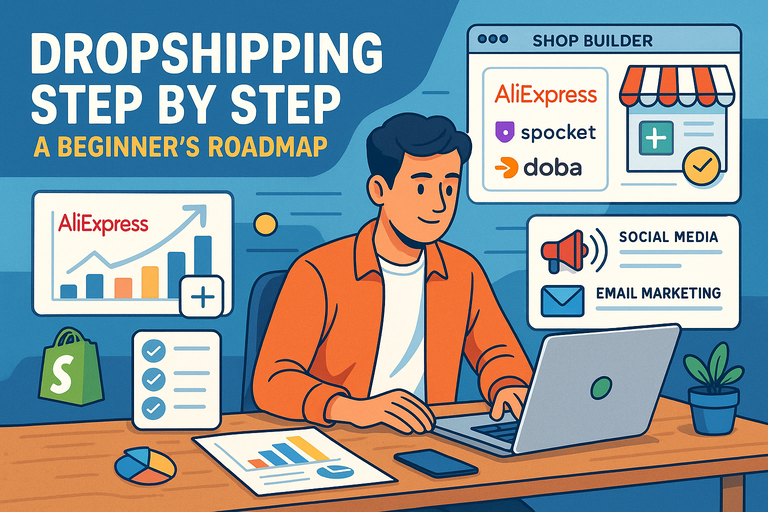 Dropshipping Step by Step: A Beginner’s Roadmap
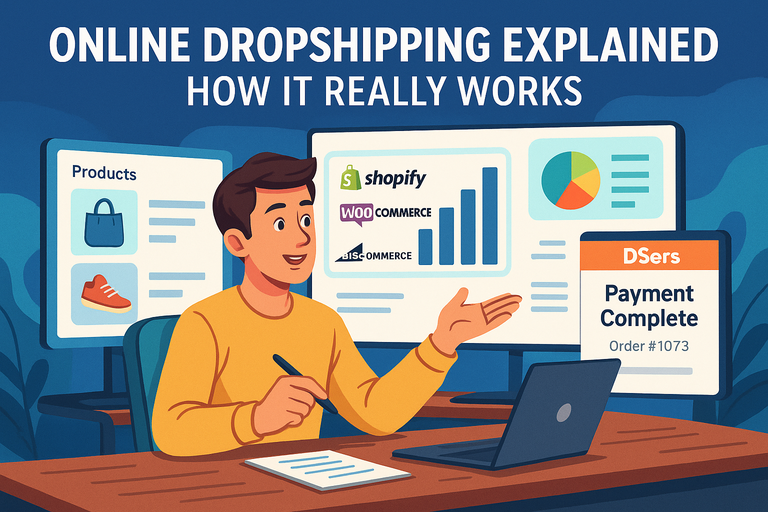 Online Dropshipping Explained: How It Really Works
 10 Proven Dropshipping Marketing Tactics to Boost Sales
 Affiliate Advertising vs. Dropshipping: Which One Wins?
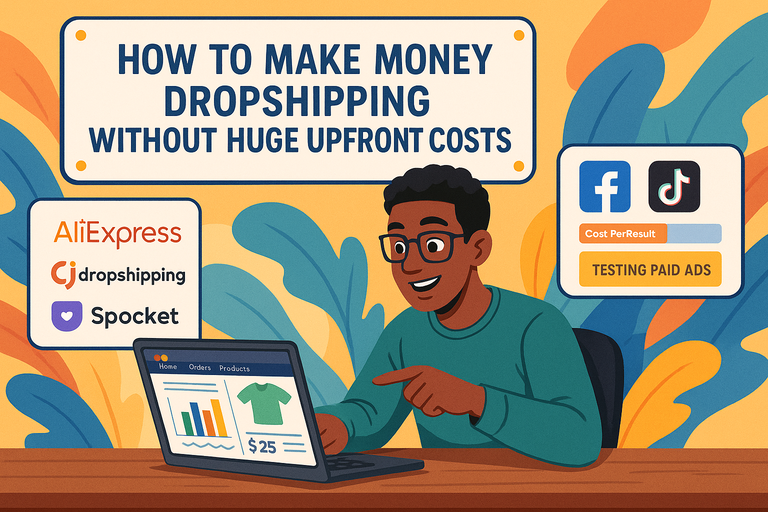 How to Make Money Dropshipping Without Huge Upfront Costs