Table of Contents
Some links on The Justifiable are affiliate links, meaning we may earn a small commission at no extra cost to you. Read full disclaimer.
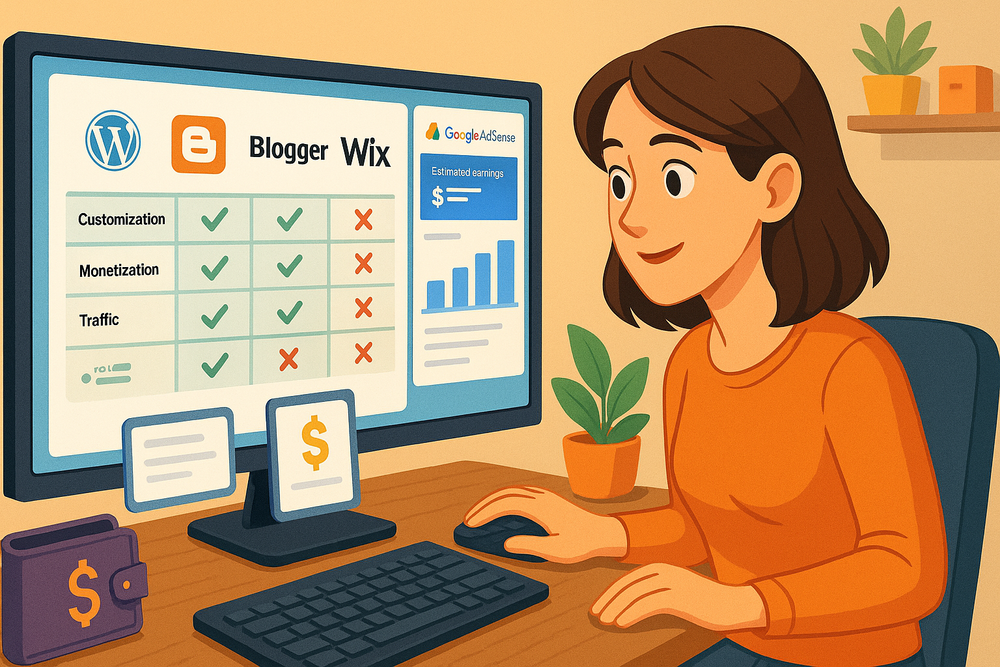
When I first started exploring blogging platforms to make money, I remember how overwhelming it felt—there were so many options, each promising easy income and growth.
But over time, I realized that choosing the right platform can make or break your success as a new creator. The key is finding one that matches your goals, content style, and monetization plans.
Whether you want to build a personal brand, run affiliate blogs, or create paid memberships, some platforms simply make earning easier than others.
WordPress.org: The Most Flexible Platform for Earning
If you’re serious about turning your blog into a long-term business, WordPress.org is the platform I always recommend first.
It’s not just a blogging tool—it’s a full content management system that gives you total control over how you earn, brand, and grow.
Why WordPress.org Dominates for Monetization
WordPress.org stands out because it’s self-hosted, which means you own your website and everything on it. Unlike free platforms, there are no restrictions on the ads you run, affiliate links you use, or digital products you sell.
Here’s why that matters:
- Unlimited Income Options: You can combine multiple revenue streams—ads, sponsored posts, affiliate links, memberships, or even online courses.
- Freedom from Platform Rules: No one can demonetize your blog because of changing policies.
- Scalability: As your blog grows, you can expand from simple posts to full e-commerce stores or premium content areas.
I’ve seen bloggers go from earning a few dollars with affiliate links to building five-figure digital businesses—all because they owned their platform.
How Self-Hosting Gives You Full Control Over Profits
When you self-host, you rent server space from a web host (like Bluehost, SiteGround, or Hostinger) to run your site independently. It’s a small cost, but it opens massive earning freedom.
Here’s how that translates into money:
- You Set the Ad Terms: You can use Adsterra, Monetag, or even sell private ad placements.
- You Keep 100% of Earnings: No platform fees or revenue cuts.
- You Control SEO: Full access to optimize every element—titles, meta tags, speed, and backlinks—to grow organic traffic that actually converts.
I like to think of it this way: owning your blog is like owning your house—you can decorate it, rent it out, or expand it anytime without asking permission.
Best Plugins to Boost Blog Revenue (Ad, Affiliate, and SEO)
WordPress’s biggest advantage is its ecosystem of plugins—small add-ons that expand your site’s capabilities.
For monetization, a few stand out:
- Ad Management: Ad Inserter for controlling ad placements.
- Affiliate Links: ThirstyAffiliates to cloak and manage links easily.
- SEO Growth: Rank Math for improving visibility and traffic.
- E-commerce Tools: WooCommerce for digital or physical product sales.
In my experience, the right plugin setup turns a basic blog into a well-oiled income system. Just don’t overdo it—too many plugins can slow your site.
Common Mistakes New Bloggers Make on WordPress
Even though WordPress is powerful, beginners often stumble early.
The most common pitfalls I’ve seen are:
- Choosing Free Hosting: It limits growth and monetization options.
- Ignoring SEO Setup: Failing to install an SEO plugin or sitemap early on can hurt visibility later.
- Using Too Many Plugins: Slows down your site and increases security risks.
- Skipping Backups: One crash can wipe out months of work and earnings.
My advice? Keep it lean and intentional. Focus on content quality and revenue strategy before chasing every plugin or trend.
Medium: The Simplest Platform to Start Making Money
If WordPress feels too technical at first, Medium is an easy entry point.
It’s a ready-made publishing platform with a built-in audience and a straightforward path to earning through the Medium Partner Program.
How the Medium Partner Program Works for Creators
The Medium Partner Program (MPP) pays you based on how long paying Medium members read your stories. It’s not about clicks—it’s about engagement.
Here’s how it works:
- You publish stories under your profile or in publications.
- Medium tracks “member reading time” and distributes a portion of subscription revenue.
- The more your story resonates, the more you earn.
I like Medium because it rewards quality writing, not keyword stuffing or aggressive marketing. You don’t need a domain, SEO skills, or a hosting plan to start earning.
Pros and Cons of Monetizing Through Medium’s Built-In Audience
Medium gives you instant access to millions of readers, but it also limits control. Let’s break it down:
Pros:
- No setup costs or maintenance.
- Access to Medium’s existing traffic.
- Great for new writers testing content ideas.
Cons:
- You don’t own your audience or email list.
- Medium controls distribution through its algorithm.
- Monetization depends heavily on member engagement, not ad or affiliate income.
If your goal is fast visibility and low effort, it’s perfect. But if you want long-term brand ownership, you’ll eventually outgrow it.
Strategies to Grow Your Medium Earnings Faster
To make real money on Medium, you have to write strategically—not randomly.
- Focus on High-Interest Topics: Productivity, self-improvement, tech, and money consistently perform well.
- Write for Publications: Publishing through large Medium publications like Better Humans or The Startup increases exposure dramatically.
- Consistency Matters: Writers who post 2–3 times weekly tend to grow 3x faster.
- Engage with Readers: Clapping, commenting, and following others boost your visibility in Medium’s algorithm.
I’ve seen new creators go from $0 to $500/month within a few months just by combining these tactics.
Why Medium Is Best for Writers, Not Niche Bloggers
Medium isn’t ideal for affiliate marketers or bloggers who rely on brand deals. Its audience prefers authentic essays and thought leadership, not product-heavy content.
If you’re a writer who enjoys storytelling, essays, or insights-based articles, Medium fits beautifully. But if your goal is to build a niche site around topics like travel gear or software reviews, you’ll find its monetization rules limiting.
In short: Medium pays for reader attention, not commercial intent.
Substack: Best for Writers Building Paid Newsletters
Substack blends blogging and email marketing in a way that helps writers earn directly from their audience. It’s perfect for creators who value independence and recurring income.
How Substack Turns Loyal Readers Into Paid Subscribers
Substack’s core idea is simple: readers subscribe to your newsletter, and you can offer both free and paid options.
Here’s how it works in practice:
- You publish content via email or on your Substack page.
- Free readers get teaser content; paid readers access premium posts.
- You keep 90% of revenue (Substack takes 10%).
It’s one of the few blogging platforms to make money directly from your fans, not ads. That’s powerful for anyone building a personal brand or community-driven publication.
Balancing Free vs. Paid Content on Substack
The biggest challenge on Substack is deciding what to give away and what to charge for.
A good balance might look like this:
- Free: Weekly newsletters or essays that attract new readers.
- Paid: Exclusive deep dives, tutorials, or behind-the-scenes posts.
- Bonus: Subscriber-only chat or podcast episodes.
Think of your free posts as a preview that earns trust and builds curiosity for paid content. In my experience, that’s what converts casual readers into loyal supporters.
Tactics to Grow a Profitable Email Audience from Scratch
Building an audience takes time, but Substack gives you the tools to make it faster:
- Leverage Social Proof: Share snippets of your newsletter on Twitter, Threads, or LinkedIn.
- Collaborate: Do cross-promotions with other Substack writers.
- Use SEO Wisely: Optimize post titles and summaries to appear in Google results.
- Engage with Subscribers: Reply to emails personally—small connections boost retention.
Many top writers grew by turning every new subscriber into a relationship, not just a number.
Realistic Income Expectations for New Substack Creators
Substack isn’t a “get-rich-fast” platform. Most creators start earning modestly, then build momentum as their subscriber base grows.
Here’s a general expectation:
- 100–300 free readers can bring in a few early paid signups.
- A solid 1,000 engaged readers can translate into $500–$1,000/month.
- Top-tier writers with 10,000+ subs earn full-time incomes.
It rewards consistency and personality over volume. In my experience, authenticity—sharing real opinions and experiences—is what makes people hit subscribe.
Ghost: A Clean Platform for Membership-Based Blogging
Ghost is one of the most elegant blogging platforms to make money if you want full control and a direct connection with your readers.
It’s designed for creators who value simplicity but still want a professional, scalable way to earn through memberships and subscriptions.
Why Ghost Appeals to Serious Creators and Publishers
Ghost isn’t your typical blogging platform. It’s open-source and self-hosted, which means you fully own your content and audience—similar to WordPress.org, but far more streamlined.
What I personally love about Ghost is how it focuses on content and community rather than ads. The interface feels minimal, fast, and distraction-free, allowing you to focus purely on writing and audience growth.
Many independent publishers and journalists use Ghost because:
- It’s optimized for publishing paid newsletters.
- It has built-in membership and payment tools—no plugins required.
- You own your mailing list and data, not the platform.
In short, Ghost is for creators who want to build a sustainable business around loyal supporters, not chase viral traffic or ad clicks.
How to Set Up Paid Memberships on Ghost
Ghost makes it surprisingly easy to earn from your blog using memberships. You can offer free content, premium posts, or full-tier subscriptions directly from your site.
Here’s how it usually works:
- Enable Members Portal: Inside Ghost, turn on the Members feature to let readers sign up.
- Connect Stripe: Ghost integrates directly with Stripe for payments, so you can start charging immediately.
- Create Tiers: Offer options like free, monthly, or annual memberships.
- Segment Content: Mark certain posts as paid-only for subscribers.
I recommend starting with one affordable paid tier to build trust before introducing higher-value options. The best part? Ghost automates the delivery—emails, access, and billing all happen behind the scenes.
Integrating Ghost with Email and Payment Tools for Monetization
One of Ghost’s biggest advantages is its native integration with both email newsletters and payments. Unlike other platforms that require external tools, Ghost gives you everything in one dashboard.
You can:
- Send newsletters automatically to all members.
- Offer premium content directly in email form.
- Use Stripe to accept payments from anywhere in the world.
If you’re already using tools like Aweber or ConvertKit (now Kit), you can connect them for advanced automation. But honestly, Ghost’s built-in features are powerful enough for most creators.
This setup lets you focus less on tech and more on creating meaningful content that converts casual readers into paying members.
Comparing Ghost vs. Substack: Which Suits You Better?
Both Ghost and Substack are great for creators who earn from writing—but they differ in control and flexibility.
- Ghost: Full ownership, customizable design, and zero revenue share. You pay a hosting fee, but keep 100% of earnings.
- Substack: Simpler to start, but takes a 10% cut of paid subscriptions. You’re also limited by its ecosystem.
If you want total independence and the ability to brand your site, Ghost wins. But if you prefer plug-and-play simplicity, Substack is a smoother start.
In my experience, writers who plan to grow into a full publication eventually move from Substack to Ghost—it’s a natural upgrade path.
Wix: User-Friendly Blogging for Beginners Who Want to Monetize
Wix is one of the easiest blogging platforms to make money for absolute beginners. You don’t need coding knowledge or tech skills—just creativity and a few hours to build something that looks professional.
How Wix Simplifies Blog Setup for Non-Tech Creators
Setting up a Wix blog feels more like designing than developing. You drag, drop, and publish—no HTML or plugin chaos like WordPress.
Here’s how it helps new creators:
- Templates: Wix offers beautiful, ready-made blog layouts for every niche.
- Visual Editor: You can customize everything without touching code.
- Hosting Included: No separate hosting or domain setup headaches.
When I first tested Wix for a client, they built a fully functional affiliate blog in one weekend—something that would take days on other platforms.
Best Wix Features for Advertising and Affiliate Income
While Wix started as a design platform, it has evolved into a capable monetization tool. You can easily integrate ads, affiliate links, and product promotions.
A few key income features include:
- AdSense Integration: Wix lets you add Google AdSense blocks anywhere on your blog.
- Affiliate Marketing: Simple hyperlinking and widgets make it easy to embed affiliate links.
- Sponsored Content: Because Wix sites look polished, they attract brand partnerships faster.
You can also connect payment apps for selling eBooks, merch, or small digital products—ideal for creators diversifying income streams.
When to Upgrade to Paid Plans for Monetization Benefits
Wix offers free accounts, but if you plan to make money, upgrading is essential. Paid plans unlock your custom domain, remove Wix ads, and allow e-commerce features.
In most cases, the Combo or Unlimited plans are the best balance for beginner bloggers. Once you start earning consistent income, upgrading to the Business VIP plan gives you access to advanced analytics and more bandwidth for growth.
A simple rule: once you’re earning even a small profit, reinvest it into the plan that saves you time or expands your reach.
Limitations of Wix Compared to WordPress or Ghost
Wix is fantastic for simplicity, but it’s not perfect for every creator.
The main limitations are:
- Less SEO Control: You can optimize basic elements, but not at WordPress’s level.
- Limited Customization: Some designs and functionalities can’t be modified beyond template options.
- Platform Lock-In: You can’t easily export your content if you decide to move to another host later.
In my experience, Wix is best for creators who value convenience and visual presentation over full control. If your goal is to earn through ads or affiliates without worrying about tech setup, Wix is a great start.
Squarespace: A Polished Platform for Visual and Lifestyle Blogs
Squarespace stands out as one of the best blogging platforms to make money for creators in visual, lifestyle, and creative niches.
It’s sleek, reliable, and offers an all-in-one experience—from hosting to monetization.
Why Squarespace Works for Creative and Niche Bloggers
Squarespace is tailor-made for creators who want their blogs to look as professional as they feel. It’s popular among photographers, designers, and lifestyle bloggers because of its modern templates and smooth user experience.
Here’s what makes it appealing:
- Beautiful, responsive templates that showcase visuals perfectly.
- Built-in hosting and SSL security—no technical setup.
- Commerce tools for selling products or services directly from your blog.
In my experience, Squarespace feels like the “Apple” of blogging platforms—intuitive, minimal, and polished right out of the box.
Setting Up Affiliate Links, Ads, and Digital Sales on Squarespace
Squarespace supports multiple income models, even though it’s known for design. You can easily add affiliate links, display ads, or sell your own digital content.
- Affiliate Marketing: Add product links or buttons directly in posts using the editor.
- Ad Integration: Use code blocks to insert Google AdSense or private ad banners.
- Digital Product Sales: Sell eBooks, guides, or presets through Squarespace’s Commerce section.
I’ve seen lifestyle bloggers earn steady passive income by pairing affiliate posts with small digital sales—it’s a smooth combo that works beautifully on Squarespace.
Built-In SEO and Commerce Tools to Boost Earnings
Squarespace includes built-in SEO features that are simple but effective for beginners. You can edit meta titles, descriptions, and slugs easily, while its mobile-optimized templates help with rankings automatically.
For monetization, the built-in analytics dashboard is a hidden gem. It shows which posts attract the most traffic and conversions, helping you focus your efforts on what works.
Tip: Connect Google Search Console and Analytics for a deeper understanding of how your blog performs across search engines.
Comparing Squarespace vs. Wix for Creator Monetization
Both Wix and Squarespace target similar audiences, but they cater to slightly different needs.
- Wix: Easier for complete beginners, faster to set up, and cheaper.
- Squarespace: More polished designs, better for brand building, and stronger e-commerce tools.
If you’re a creative blogger who values aesthetic appeal and simplicity, go with Squarespace. But if you just want to get started fast with a tighter budget, Wix will serve you well.
From what I’ve seen, many creators eventually transition from Wix to Squarespace as their blog grows and brand identity becomes more refined.
Tumblr: A Creative Option for Niche and Visual Blogging
Tumblr might not be the first name that comes to mind when thinking about blogging platforms to make money, but it still holds unique potential—especially for creative or visual creators.
It’s a platform that blends social media and blogging, which makes it perfect for artists, designers, photographers, and fandom-driven niches.
How Tumblr Creators Monetize Through Ads and Affiliates
Tumblr allows you to earn in several subtle but effective ways. While it doesn’t have built-in monetization like Medium or Substack, it supports third-party integrations and creative methods.
Here’s how most creators make money on Tumblr:
- Ad Revenue: You can use Tumblr’s built-in ad feature (Tumblr Blaze) to promote posts and grow visibility, which indirectly boosts brand deals. Some creators also link to off-platform ad-supported sites.
- Affiliate Marketing: You can include affiliate links in posts—like product recommendations, Etsy shops, or Amazon items related to your niche.
- Sponsored Posts: As your audience grows, brands may pay you to showcase or review their products.
What makes Tumblr different is how community-driven it is. People follow you because they connect with your aesthetic or personality, which makes affiliate and sponsorship income feel more organic.
Growing a Loyal, Engaged Audience on Tumblr
The secret to thriving on Tumblr is treating it like a creative playground rather than a marketing platform.
Try these simple strategies:
- Post Consistently: Short, visual posts (images, GIFs, quick ideas) perform best.
- Engage Deeply: Reblog, comment, and follow creators in your niche. Tumblr’s community thrives on shared interaction.
- Tag Smartly: Tumblr’s tagging system is powerful—use relevant tags so your content reaches interested readers.
- Mix Formats: Alternate between photo posts, text essays, and even microblogs to keep engagement high.
I’ve noticed that creators who post authentically and build communities—rather than just promote—tend to attract lasting, loyal followers who later support paid offerings off-platform.
Turning Creative or Visual Blogs Into Income
If your content is artistic or visual, Tumblr can act as a marketing funnel for your income sources.
You can:
- Sell Prints or Digital Art: Link to Etsy or your own store.
- Offer Custom Work: Use your Tumblr as a portfolio for commissions.
- Launch Patreon or Ko-fi: Drive your Tumblr followers to support you directly.
Think of Tumblr less as your monetization hub and more as your discovery engine. It’s fantastic for growing visibility and building emotional connection before guiding your audience to where you actually monetize.
Why Tumblr Works Best for Certain Creative Niches
Tumblr is ideal for creators in aesthetic-driven spaces—like art, writing, fashion, fandoms, and photography. Its audience values originality and expression, not polished marketing.
If your creative identity matters as much as your content, Tumblr’s culture fits naturally. But for niche bloggers focused on SEO, long-form content, or affiliate-heavy strategies, platforms like WordPress or Squarespace are more practical.
In short, Tumblr is perfect if you want to grow an audience around your art before monetizing more seriously elsewhere.
LinkedIn Articles: Professional Blogging That Builds Authority
LinkedIn might not feel like a traditional blogging platform, but for professionals, it’s one of the most underrated ways to build authority and attract income opportunities.
How to Monetize Content Through Authority and Brand Deals
Unlike other platforms, LinkedIn doesn’t pay you directly for views or clicks. Instead, the money comes from influence. When you share valuable insights, businesses, recruiters, or clients begin to notice.
You can monetize through:
- Consulting or Coaching: Writing about your field attracts people who need your help.
- Brand Collaborations: Companies pay for sponsored posts when they see your engagement.
- Speaking Gigs or Courses: LinkedIn content builds your credibility, which opens doors to teaching or event opportunities.
I’ve personally seen professionals go from posting once a week to landing consistent $2,000+ consulting clients—simply because their articles showcased real expertise.
Writing High-Value Articles That Convert Leads Into Clients
The key is writing posts that educate and connect.
Here’s how to do it effectively:
- Start with Real Experience: Share what you’ve learned or solved, not just generic advice.
- Offer Actionable Value: Break down your insights into clear takeaways your reader can apply.
- Add a Call-to-Action: Invite readers to reach out, join your email list, or visit your website.
- Use a Conversational Tone: Avoid corporate jargon—speak like a person, not a brand.
LinkedIn rewards authenticity. Your article doesn’t have to be long; even a 500-word insight can spark meaningful leads if it hits the right pain point.
Using LinkedIn Analytics to Measure Blog Performance
LinkedIn provides free analytics on each article or post, showing impressions, engagement, and audience demographics. This helps you refine your content strategy based on what performs best.
A few data points worth watching:
- Who’s Reading: Job titles, industries, and companies.
- Engagement Rates: Likes, shares, and comments show topic resonance.
- Traffic Trends: Identify the days or formats that perform best.
If you notice one type of content—say, “career growth” or “productivity”—outperforming others, double down on that topic. That’s how you grow both visibility and authority fast.
Why LinkedIn Works Well for Coaches and Consultants
For service-based professionals, LinkedIn is gold. People on the platform are already in a business mindset, which makes them more likely to invest in expertise.
If you’re a coach, strategist, or consultant, sharing thought pieces and personal insights positions you as an expert in your niche. It’s essentially free lead generation without spending on ads.
From what I’ve seen, the creators who share personal stories alongside industry tips build stronger trust—and that’s what leads to high-paying clients.
Blogger: A No-Cost Start for Beginners
Blogger remains one of the simplest blogging platforms to make money, especially if you’re just starting out and don’t want upfront costs. It’s free, fast, and integrates seamlessly with Google’s tools.
How Blogger Helps You Learn Monetization Basics
Blogger is perfect for learning the fundamentals of blogging—posting, formatting, using keywords, and analyzing traffic through Google Analytics.
You can:
- Set up your site in minutes using your Google account.
- Learn SEO naturally since it connects directly with Google Search.
- Understand how ads and traffic interact before investing in premium hosting.
For beginners, it’s like blogging training wheels—you can experiment freely without pressure.
Integrating Google AdSense and Affiliate Links on Blogger
Since Blogger is part of Google, integrating AdSense is seamless. You just connect your AdSense account and choose where ads appear.
You can also monetize through:
- Affiliate Marketing: Embed links from Awin or Flexoffers alternatives.
- Sponsored Posts: Accept paid posts from small brands once you build traffic.
- Product Promotion: Sell your own digital downloads by linking to Google Drive or external sites.
Just remember, design and performance are basic compared to other platforms—so focus on content quality over aesthetics.
Limitations That May Hinder Long-Term Growth
While Blogger is beginner-friendly, it’s not ideal for long-term scalability.
- Limited design templates and plugins.
- No native membership or e-commerce support.
- Moving your blog to another platform can be clunky.
Still, if your goal is to practice and build writing confidence before upgrading, Blogger serves that purpose beautifully.
When and How to Migrate from Blogger to WordPress
Eventually, you may outgrow Blogger’s simplicity. When that happens, migrating to WordPress.org gives you full control and monetization power.
You can easily:
- Export your Blogger posts.
- Import them into WordPress using its import tool.
- Set up redirects to keep your SEO intact.
This transition usually marks the shift from hobby blogger to serious creator—and it’s smoother than most people expect.
Choosing the Right Blogging Platform for Your Goals
Now that we’ve covered the most popular blogging platforms to make money, the next step is figuring out which one truly fits your goals and comfort level.
How to Match Platforms to Your Content and Monetization Type
Each platform serves different creator goals:
- WordPress.org: Best for full-scale, long-term blogging and SEO.
- Medium or Substack: Ideal for writers who want direct audience support.
- Ghost: Great for membership and subscription-based blogs.
- Squarespace or Wix: Perfect for creatives and lifestyle bloggers.
- LinkedIn: Suited for professionals monetizing through authority.
- Blogger: Excellent for learning the ropes before upgrading.
The best platform is the one that feels easy enough to use consistently and allows you to monetize the way you want.
Key Questions to Ask Before Committing to Any Platform
Before choosing your platform, ask yourself:
- Do I want full ownership of my content and income?
- Will I rely on SEO, audience support, or brand deals for income?
- How tech-savvy am I, and do I want something easy to maintain?
- Do I plan to scale my blog into a business later?
Your honest answers will reveal the right platform faster than any comparison chart.
Balancing Creative Freedom with Income Potential
It’s tempting to pick the flashiest option, but the real key to success is balance. Choose a platform that gives you creative flexibility without overwhelming technical details.
From what I’ve seen, new creators thrive most when they focus on:
- Publishing regularly.
- Engaging authentically with their audience.
- Experimenting with one or two monetization methods first.
Consistency matters more than perfection at the start.
Expert Tip: Start Simple, Then Scale Strategically
You don’t need the “perfect” platform on day one. Start with something you can manage easily, like Medium or Wix, and upgrade as you learn and grow.
As your confidence and audience expand, you’ll naturally move toward platforms like WordPress.org or Ghost that offer more earning power and customization.
In the end, success isn’t about where you start—it’s about staying consistent long enough to build something valuable and profitable.
FAQ
What are the best blogging platforms to make money for beginners?
The best blogging platforms to make money for beginners include WordPress.org for full control, Medium for built-in audiences, and Substack for paid subscriptions. The right choice depends on whether you want ads, affiliates, or reader-supported income.
Can you really make money on free blogging platforms?
Yes, you can make money on free platforms like Medium, Blogger, or Substack, but income potential is limited. You usually trade ownership and flexibility for ease of use and built-in traffic.
Which blogging platform is best for long-term income growth?
WordPress.org is the best platform for long-term income growth because you own your site, control monetization, and can scale with ads, affiliates, products, and memberships.

I’m Juxhin, the voice behind The Justifiable.
I’ve spent 6+ years building blogs, managing affiliate campaigns, and testing the messy world of online business. Here, I cut the fluff and share the strategies that actually move the needle — so you can build income that’s sustainable, not speculative.