
Table of Contents
Some links on The Justifiable are affiliate links, meaning we may earn a small commission at no extra cost to you. Read full disclaimer.
If you’ve ever wondered how people create blogs and earn money doing what they love, you’re not alone.
I remember staring at my screen years ago, thinking, “Where do I even start?” The truth is—you don’t need to be a tech genius or an established writer to build a profitable blog.
You just need the right roadmap. In this guide, I’ll break down exactly how beginners can start a blog and turn it into a steady income stream faster than most people think.
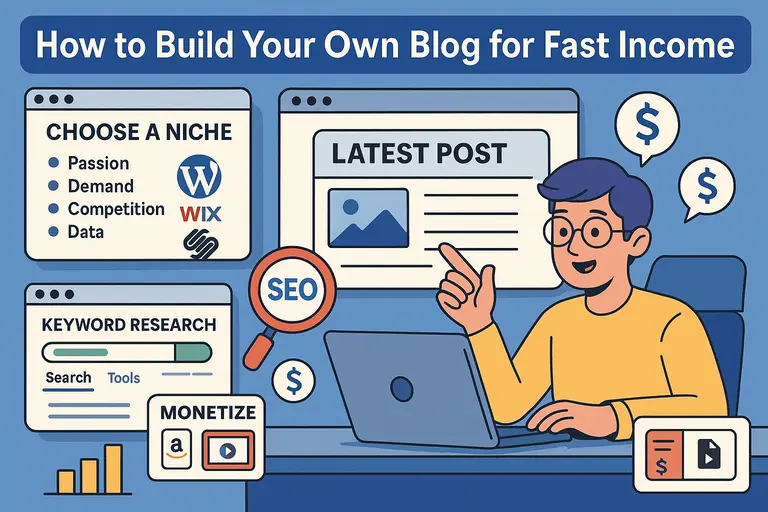
Choose a Profitable Niche That You Enjoy
Before you start building anything, the first step to create a blog and earn money is choosing the right niche.
A blog without a clear focus is like trying to sell everything to everyone—it rarely works.
Identify What You’re Passionate About and People Pay For
Let’s start simple: What do you love talking about—even if no one paid you for it? That’s usually where your most sustainable niche lies. But passion alone won’t pay the bills; it needs to intersect with what others are already spending money on.
Here’s how you can find that balance:
- List three to five topics you genuinely enjoy (e.g., fitness, personal finance, travel, or home décor).
- Check if there’s a spending market around those topics—look for books, products, or courses being sold in that space.
- Ask yourself: Would people want to solve problems in this area?
For example, if you love baking, you can niche down to “gluten-free baking for busy parents.” It’s specific, valuable, and audience-focused.
Validate Niche Profitability Through Market Research
Once you’ve narrowed your options, it’s time to make sure your niche is actually profitable. You don’t need fancy tools to start—just curiosity and observation.
Here’s what to do:
- Google your niche ideas and notice if there are ads. Advertisers only spend money when a niche is profitable.
- Search on platforms like Etsy, Udemy, or Amazon to see if people buy products related to your topic.
- Check forums or Facebook groups to see what questions people ask most often—that’s content gold.
I suggest using Google Trends to check if your niche has stable or growing interest. A steady graph is a good sign; sharp drops mean limited potential.
Analyze Competitors to Spot Untapped Opportunities
Studying competitors isn’t about copying them—it’s about finding what they’re missing.
Look for:
- Topics they’re not covering deeply but their audience clearly cares about.
- Gaps in user experience, visuals, or tone. Maybe you can offer a more relatable voice or better design.
- Their traffic sources and monetization methods. Use a free tool like Ubersuggest or SimilarWeb to see what brings them the most visitors.
Here’s the trick: Find a niche where you can offer a unique voice or angle, even in a crowded market. That’s how you stand out—and make money faster.
Pick a Blogging Platform and Set Up Your Website
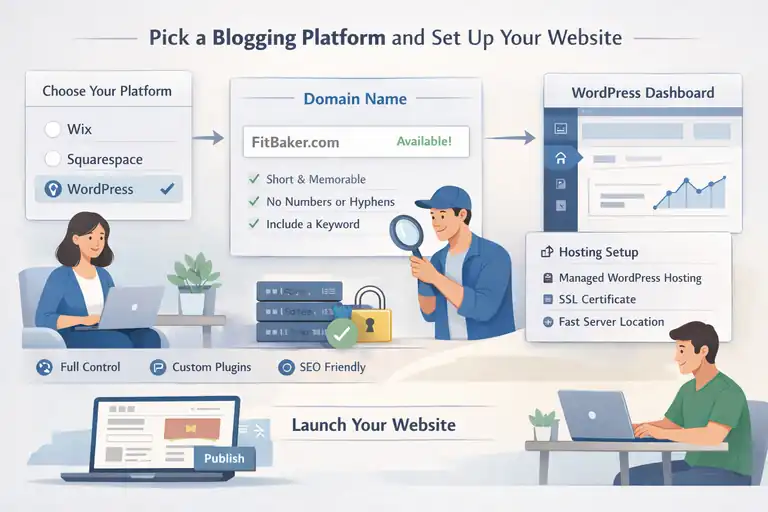
Your platform is the foundation of your blog. Choose the right one, and everything becomes easier—content creation, SEO, monetization, and scaling.
Why WordPress Is Still the Best Option for Beginners
I’ve tried a few platforms, but WordPress.org consistently wins for one reason: control. Unlike drag-and-drop builders (like Wix or Squarespace), WordPress gives you full ownership and flexibility to monetize however you want.
Why I recommend WordPress:
- It’s free to use (you only pay for hosting and domain).
- You can customize it endlessly with plugins (like Rank Math).
- It’s SEO-friendly right out of the box.
Think of WordPress as your digital home base. You own it completely, unlike social media platforms that can change algorithms overnight.
How to Choose a Domain Name That Builds Trust and SEO Value
Your domain name is your blog’s identity—it’s the first impression. Keep it short, memorable, and relevant to your niche.
Here’s a simple checklist:
- Keep it under 15 characters. Short names are easier to type and remember.
- Avoid numbers or hyphens. They confuse readers and look less professional.
- Include a keyword if natural. For example, “FitBaker.com” is better than “AmyBlogs123.com.”
Use registrars like Namecheap to buy your domain. If your dream name isn’t available, try slight variations (e.g., “TheFitBaker.com”).
Essential Hosting Setup for Fast and Secure Performance
Hosting is what keeps your site live on the internet. Choosing a good host is like choosing a good neighborhood—it affects everything from speed to safety.
Here’s what I suggest for beginners:
- Start with a managed WordPress host like Bluehost or Hostgator—they’re beginner-friendly and affordable.
- Ensure your plan includes SSL (https). It’s crucial for both security and trust.
- Pick a server close to your target audience. It helps your site load faster.
Once you’ve installed WordPress, log in and explore your dashboard. It might look intimidating at first, but within a day or two, you’ll be navigating it like a pro.
Design a Clean and User-Friendly Blog Layout
You’ve got your platform and niche—now it’s time to make your blog look inviting. A clean design not only attracts visitors but also keeps them reading (and eventually buying).
Focus on Simplicity and Navigation for Better User Experience
Here’s something I’ve learned: fancy designs don’t make blogs successful—clarity does. Your layout should make it easy for visitors to find what they’re looking for.
Keep these basics in mind:
- Limit your color palette to 2–3 complementary colors.
- Use plenty of white space. It makes your content more readable.
- Make navigation clear and visible—your menu should show key pages like Home, About, and Blog.
If visitors can’t find what they want in 3 clicks, you risk losing them.
Use Mobile-Responsive Themes That Load Quickly
Over 60% of readers now browse blogs from their phones. If your site doesn’t look good on mobile, you’re losing half your audience (and your potential income).
Choose a lightweight theme—I recommend Astra, GeneratePress, or Kadence. These themes load quickly and adapt beautifully to any screen size.
Also, check your site’s speed using Google PageSpeed Insights. If your score is under 80, try:
- Compressing images using TinyPNG.
- Installing a caching plugin like LiteSpeed Cache.
- Avoiding heavy scripts or unnecessary widgets.
Fast sites convert better and rank higher—Google loves speed.
Add Key Pages That Every Money-Making Blog Needs
Before you publish your first post, make sure your site has these essential pages:
- About Page: Builds trust. Tell your story and why your blog exists.
- Contact Page: Makes it easy for brands or readers to reach you.
- Privacy Policy & Disclaimer: Required if you use ads or affiliate links.
- Resources Page (optional): A list of tools or products you recommend—perfect for affiliate marketing.
Adding these pages not only boosts professionalism but also opens doors for future collaborations and monetization opportunities.
Create High-Quality, SEO-Optimized Blog Content
When you want to create a blog and earn money, your content is your biggest asset.
It’s what brings people in, keeps them around, and eventually converts them into loyal readers—or paying customers.
Use Keyword Research to Find Topics That Rank and Convert
Keyword research is simply understanding what your audience is searching for—and creating content that meets that need. You don’t need to be an SEO expert to start doing it right.
Here’s a simple way to approach it:
- Start with free tools like Google’s “People Also Ask,” AnswerThePublic, or Ubersuggest. They show what questions people actually type into Google.
- Look for long-tail keywords. These are longer, more specific phrases like “how to start a travel blog on WordPress” instead of just “blogging.” They’re easier to rank for and usually show higher intent.
- Balance volume with competition. Don’t chase high-volume keywords too early; aim for those with lower competition where you can actually stand out.
Let me give you an example. Suppose your niche is fitness. Instead of writing about “workouts,” write “20-minute home workouts for beginners.” It’s more specific, helpful, and search engines love that clarity.
Write Blog Posts That Solve Real Problems and Build Authority
Here’s something I learned early on: people don’t come to blogs for opinions—they come for solutions. Your job is to help, not just to write.
Every article you publish should:
- Answer a specific question clearly. Use short paragraphs and simple explanations.
- Offer personal or practical insights. Share what worked for you; authenticity builds trust.
- Guide readers toward action. Whether it’s signing up for your newsletter or trying a tip, make your advice actionable.
Try using a simple content formula I use: Problem → Experience → Solution → Result.
For example, if you’re writing about time management for bloggers, start by acknowledging how hard it is to juggle tasks, share how you struggled, then show your system that fixed it.
That’s how readers connect—and how Google recognizes your expertise.
Optimize On-Page SEO Without Overstuffing Keywords
SEO helps your blog posts get found, but too much optimization can make your writing sound robotic. The goal is balance.
Focus on these key areas:
- Title and meta description: Include your target keyword naturally and make it click-worthy.
- Headings (H2s and H3s): Use them to organize your post and add variations of your keyword.
- Internal links: Link to other related posts on your blog to keep readers engaged longer.
- Images with alt text: Describe images in plain language—it helps with accessibility and ranking.
Here’s a quick example: Instead of repeating “create blog and earn money” 10 times, use natural variations like “build a profitable blog” or “make money from blogging.” Google understands context now, not just exact matches.
Build an Engaged Audience Through Smart Promotion
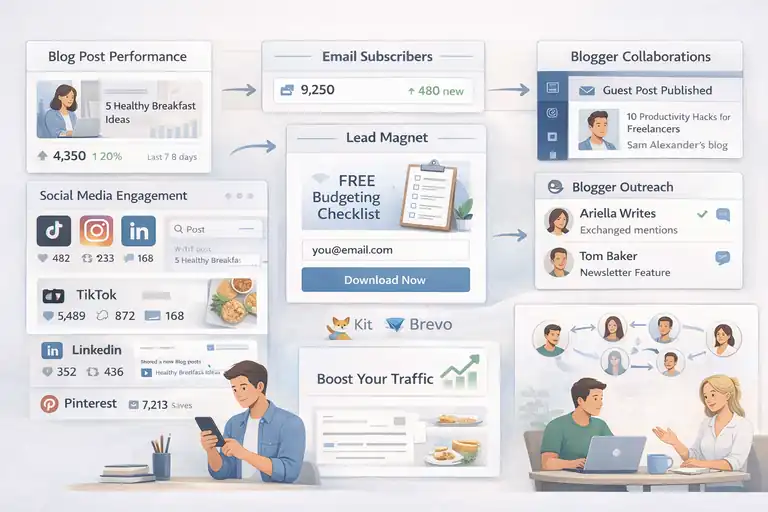
Once you’ve published great content, it’s time to get eyes on it. The truth is—even the best-written post won’t make money if no one sees it.
Use Social Media to Drive Early Traffic to Your Blog
In the early days, social media is your best traffic booster. The trick is not to be everywhere—but to be strategic.
Start by picking one or two platforms where your audience already hangs out.
- If you write lifestyle or visual content, use Pinterest—it drives steady blog traffic over time.
- For professional or educational niches, LinkedIn works better.
- For short, relatable posts, try Instagram or TikTok.
Share snippets, behind-the-scenes moments, or quick tips that link back to your blog.
I’ve noticed that when I repurpose blog posts into carousels or short videos, engagement doubles. People prefer digestible content that gives value fast.
Grow Your Email List From Day One With Lead Magnets
If you’re serious about making money blogging, an email list is a must. It’s your direct line to readers—no algorithms in between.
Start simple:
- Offer a lead magnet. This could be a free checklist, mini-guide, or printable related to your niche. For example, if your blog is about budgeting, give away a free “Monthly Expense Tracker.”
- Use tools like Aweber or Mailerlite. They let you build landing pages and automate follow-up emails easily.
- Add sign-up forms in your blog posts and sidebar where they feel natural—not forced.
Email subscribers are more likely to become your customers later, especially when you launch products or affiliate offers.
Collaborate With Other Bloggers to Expand Reach Faster
Blogging isn’t a solo game—it’s a community. Collaborations help you grow faster and gain credibility.
Here are some easy ways to start:
- Guest post on blogs in your niche. It’s a great way to build backlinks and tap into new audiences.
- Exchange mentions in newsletters or social posts.
- Join blogging communities on Facebook or Reddit to share experiences and opportunities.
I’ve found that one quality collaboration can bring more traffic than a month of random posting. It’s all about genuine relationships, not quick transactions.
Monetize Your Blog With Multiple Income Streams
Once your blog has some consistent traffic, you can turn it into a steady income stream. The smartest bloggers diversify—so they’re not relying on one source of money.
Earn Through Affiliate Marketing Without Losing Credibility
Affiliate marketing is when you recommend a product and earn a commission when someone buys through your link. It’s one of the easiest ways to monetize early.
To do it right:
- Only promote what you truly use or trust. Readers can sense fake enthusiasm.
- Write honest reviews and comparisons. Focus on what makes a product worth buying—or not.
- Disclose your links. It builds trust and keeps you legally safe.
For example, if you recommend hosting services like SiteGround, share your personal experience—speed, support, setup ease. Real stories convert better than marketing talk.
Offer Sponsored Posts and Brand Collaborations
Once you have some traffic or a defined niche audience, brands will start noticing. Sponsored posts are when companies pay you to review or feature their products.
Here’s how to handle it professionally:
- Create a media kit with your audience stats and engagement rates.
- Start small. Pitch local or niche brands before aiming for big ones.
- Stay authentic. Only collaborate with companies that fit your brand voice and values.
Brands value trust as much as reach—your honesty is your biggest currency.
Create and Sell Digital Products Like Ebooks or Courses
If you’ve built expertise, digital products are a natural next step. They’re scalable and 100% yours.
A few beginner-friendly options:
- Ebooks or guides. Short, practical resources that solve a specific problem.
- Mini-courses or workshops. Use platforms like Teachable or Podia to host them easily.
- Printable templates. Great for niches like productivity, fitness, or planning.
Start with one small offer, refine it based on feedback, and build from there. Your blog audience becomes your warmest customer base.
Add Display Ads Strategically to Maximize Revenue
Display ads are an easy, passive way to earn, but timing matters. Don’t add them too early—wait until you’re getting consistent traffic.
Here’s what to know:
- Start with Google AdSense when you have around 1,000–2,000 monthly visitors.
- Upgrade to ad networks like Mediavine or Raptive later for higher payouts.
- Place ads smartly. Avoid cluttering your posts; focus on mid-content placements and sidebars.
Ads won’t make you rich overnight, but they provide a reliable foundation of passive income as your blog grows.
If you’ve followed every step up to this point, you’re no longer just starting a blog—you’re building an online business that can grow with you.
Leverage Analytics to Track Growth and Improve Performance
When you want to create a blog and earn money, data becomes your best friend. Without tracking your performance, you’re basically blogging blind.
Analytics shows you what’s working, what isn’t, and where your real money-making opportunities lie.
Use Google Analytics to Understand What’s Working
Google Analytics (GA4) is like your blog’s health monitor. It helps you see where visitors come from, what they read most, and how long they stay.
Start by tracking a few key metrics:
- Traffic sources: Shows where your audience finds you (search engines, social media, referrals).
- Top pages: Reveals which posts attract the most visitors. These are your “money pages.”
- Average session duration: Tells you how engaging your content is. Longer means better.
- Bounce rate: High bounce rates mean visitors leave too soon—usually because your content or layout needs improvement.
Here’s something that helped me early on: every month, review your top three posts. Ask yourself why they worked. Was it the topic, the headline, or maybe the visuals? Replicate that formula in future content.
And if you haven’t already, connect Google Analytics with Google Search Console. Together, they give you a complete picture—from keyword performance to user behavior.
Monitor Keyword Rankings and Adjust Your Content Strategy
Think of keywords as little breadcrumbs leading people to your blog. Monitoring them helps you stay visible in search results and maintain steady traffic.
You can use free tools like Google Search Console, or paid ones like Ahrefs and Ubersuggest, to see which keywords bring you clicks.
Here’s what to track:
- Ranking positions: Are your target keywords moving up or down?
- Click-through rate (CTR): A low CTR might mean your title or meta description needs improvement.
- Emerging keywords: Sometimes you’ll rank for terms you didn’t even target—those can inspire new posts.
If a post ranks on page two, update it with more depth, fresh examples, or new visuals. I’ve seen posts jump from page two to the top five just by refreshing content and adding better headings.
Test Headlines, CTAs, and Layouts for Higher Conversions
You can double your conversions without writing more posts—just by testing how your pages look and feel.
This process is called A/B testing, and even small tweaks can make a big difference.
Here’s what to experiment with:
- Headlines: Try curiosity-driven titles versus straightforward ones.
- Calls-to-action (CTAs): Adjust button color, placement, or wording. “Get Started” might perform better than “Subscribe Now.”
- Layouts: Test where you place your opt-ins or product links.
Tools like ConvertKit (Kit) or Thrive Optimize make testing easy, even for non-techies.
The key is to change one element at a time—so you can tell what really worked.
Scale Your Blog Into a Sustainable Business
Once your blog is bringing in consistent income, it’s time to think long-term. Scaling means creating systems that let your blog grow without burning you out.
Build a Content Calendar for Consistency and Long-Term Growth
Consistency is the secret ingredient most bloggers underestimate. A content calendar keeps you organized and accountable.
Here’s how to set it up:
- Plan one month ahead. Choose 4–6 key topics aligned with your niche and goals.
- Batch your tasks. Write one day, edit another, schedule posts the next.
- Include SEO keywords for each post to maintain focus.
I use Notion to manage my content pipeline—it’s visual, flexible, and keeps my ideas sorted by status. When you treat blogging like a business, consistency becomes a habit, not a chore.
Outsource Tasks to Free Up Time for Strategy
As your blog grows, you’ll realize you can’t do everything yourself—and you shouldn’t. Outsourcing helps you focus on what matters most: strategy and creativity.
Tasks worth outsourcing include:
- Graphic design: Hire freelancers on Fiverr or Upwork for branded visuals.
- Technical maintenance: A virtual assistant can handle updates, backups, and plugins.
- Editing and formatting: A content editor ensures your posts are clean and polished.
I remember the first time I hired help—it felt like a luxury. But within weeks, I was producing double the content without sacrificing quality.
Reinvest Profits Into Tools, Ads, or Courses to Accelerate Success
When money starts coming in, it’s tempting to pocket it all. But smart bloggers reinvest to speed up growth.
Some areas worth investing in:
- Premium tools: SEO tools like Squirrly or Rank Math Pro can uncover huge opportunities.
- Paid ads: Boost top-performing posts through Pinterest or Facebook ads.
- Online courses: Learn copywriting, SEO, or digital marketing to sharpen your skills.
Every dollar you reinvest compounds over time—it’s what turns a small blog into a thriving business.
Common Mistakes Beginners Make When Trying to Earn Fast
It’s easy to get impatient when you’re eager to create a blog and earn money, but rushing often leads to setbacks. Let’s save you some frustration.
Focusing on Quantity Instead of Quality Content
Publishing frequently helps, but not at the cost of quality. Ten mediocre posts will never outperform two deeply researched, well-written ones.
Quality builds trust—and trust is what makes readers click your affiliate links or buy your products. Take time to create content that solves real problems instead of chasing quick wins.
Ignoring SEO and Keyword Intent From the Start
Many beginners write first and worry about SEO later. I did too. But understanding search intent early can save months of trial and error.
Ask yourself before every post: Is this something people actually search for? If not, tweak your angle. Even a great post won’t rank if no one’s looking for it.
Monetizing Too Early Without Building Trust
I get it—you want to make money. But adding ads and affiliate links before building an audience can backfire. Readers can sense when your focus is profit, not value.
Instead, spend your first few months building trust. Offer insights, free guides, and honest opinions. Once readers believe in your content, monetization feels natural—and far more profitable.
Expert Tips to Create Blog and Earn Money Faster
You’ve learned the steps. Now let’s talk about the shortcuts—the things I wish someone told me when I started blogging.
Use Evergreen Topics to Build Consistent Traffic
Evergreen content means posts that stay relevant all year. These are your traffic anchors.
Examples include:
- “How to Start a Budget as a Beginner”
- “10 Healthy Breakfast Ideas You Can Make in 10 Minutes”
They don’t go out of style, so they keep attracting visitors long after publication. Keep updating them every few months to stay fresh.
Repurpose Blog Content Into Videos or Podcasts
Not everyone reads blogs, but everyone consumes content. Turn your blog posts into YouTube videos, short Instagram clips, or even podcasts.
Here’s why it works:
- You reach new audiences who prefer different formats.
- It builds authority when people see your face or hear your voice.
- It drives traffic back to your original post.
A simple example: turn a “10 blogging tips” post into a short video series. It’s quick, affordable, and multiplies your reach.
Diversify Income Streams to Protect Your Earnings
Relying on one income source—like ads or affiliate links—can be risky. Algorithm changes or policy shifts can impact earnings overnight.
Here’s a more stable model:
- Combine affiliate marketing, digital products, and services.
- Add coaching, consulting, or content writing gigs if it fits your niche.
- Build recurring income through memberships or courses.
The more income sources you have, the more stable your blogging business becomes—even during slow traffic months.
Pro Tip: The real secret to building a profitable blog isn’t working harder—it’s working smarter. Start small, stay consistent, keep learning, and never stop improving. Over time, those small wins compound into real income—and the blog you once started as a side project can become your full-time business.
FAQ
How long does it take to create a blog and earn money as a beginner?
Most beginners can set up a blog in one day, but earning money usually takes 3–6 months with consistent content, basic SEO, and smart monetization like affiliate links.
What is the fastest way to create a blog and earn money?
The fastest path is choosing a profitable niche, using WordPress, writing SEO-focused content, and monetizing early with affiliate marketing and email sign-ups.
Do beginners need technical skills to create a blog and earn money?
No. Modern blogging platforms, beginner-friendly hosting, and simple tools make it possible to start and monetize a blog without coding or advanced tech skills.

I’m Juxhin, the voice behind The Justifiable.
I’ve spent 6+ years building blogs, managing affiliate campaigns, and testing the messy world of online business. Here, I cut the fluff and share the strategies that actually move the needle — so you can build income that’s sustainable, not speculative.
Related posts:
 Where Is the Best Place to Start a Blog and Make Money?
 Create a Blog Free and Start Earning With No Risk
 Start a Blog Website and Build a Profitable Side Income
 How to Build Your Own Blog for Fast Income
 How to Build an Easy Blog That Makes Real Income
 Setting Up a Blog Website That Earns From Day One