
Table of Contents
Some links on The Justifiable are affiliate links, meaning we may earn a small commission at no extra cost to you. Read full disclaimer.
Freelance writing earn money opportunities are exploding, especially for those who know how to turn simple skills into fast income.
You don’t need years of experience or a fancy degree to start—just the right strategy, mindset, and tools. Ever wondered how some writers land clients and make consistent money within weeks, while others struggle for months?
In this guide, you’ll discover the exact steps, platforms, and skill sets that can help you start earning quickly from freelance writing—even if you’re starting from zero.
Understand How Freelance Writing Earn Money Works
Getting how freelance writing earn money actually works is the first step to turning your skills into real cash.
Let me walk you through what separates slow earners from those who start making consistent income fast.
Learn the Basics of How Writers Get Paid Online
Freelance writers usually earn in one of three ways: per word, per project, or per hour.
- Per word: Common for blog posts, SEO articles, and news-style content. Rates range from $0.05 to $1 per word depending on experience.
- Per project: Ideal for website copy or content strategy work. You charge based on total deliverables, not length.
- Per hour: Often used for editing or consulting gigs through platforms like Upwork.
I suggest starting with per-project pricing because it gives you control and helps you scale faster. Clients love clear pricing, and you can increase your rates as your efficiency grows.
Differentiate Between Low-Paying and High-Value Writing Work
Low-paying writing work usually means short, repetitive content like product descriptions or generic SEO blogs.
High-value writing, on the other hand, demands strategic thinking—for example, creating a content plan, email sequence, or brand story.
Here’s how to spot the difference:
- Low-paying: $10–$30 per article, generic keywords, no brand strategy.
- High-value: $150+ per article, detailed briefs, and strategic writing goals.
If you want to earn more, focus on projects that connect directly to a company’s ROI (return on investment). When your words help them make money, they’ll happily pay more.
Identify What Clients Actually Pay For in Writing Services
Clients don’t just pay for “words.” They pay for results. This means engagement, clarity, and conversions.
Whether it’s increasing clicks on a landing page or keeping readers on a blog longer, measurable outcomes matter.
To increase your perceived value:
- Study your client’s audience before writing.
- Add basic keyword optimization to every piece.
- Offer suggestions for improving structure or CTAs (calls to action).
I’ve seen clients double their content budgets after a single well-performing article. The lesson? Don’t sell words—sell outcomes.
Recognize Common Mistakes That Slow Down Earnings
Many new writers lose weeks—or months—because of avoidable errors.
Here are a few common ones:
- Underpricing: Starting too cheap traps you in the wrong client pool.
- No niche: Trying to write about everything makes your pitch weak.
- Poor communication: Slow responses make clients move on fast.
Fixing these three issues alone can boost your income potential dramatically. You don’t need to be perfect—just consistent, professional, and reliable.
Choose Profitable Writing Niches That Pay Well
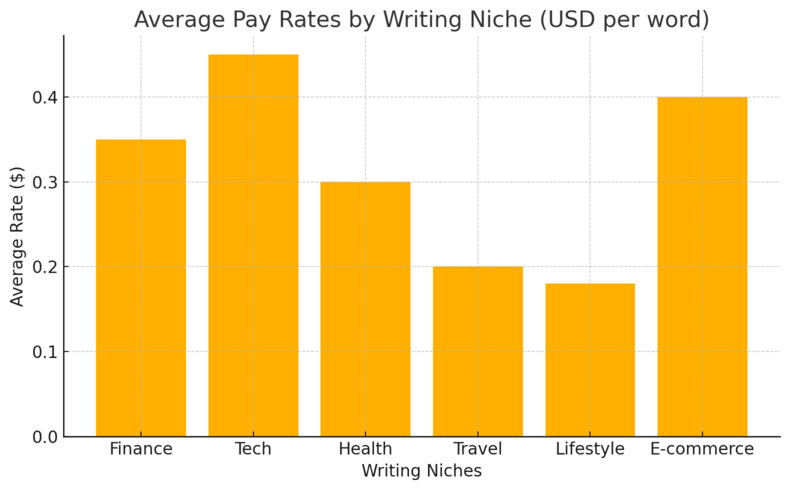
Not all writing niches are equal. Some pay peanuts, others can replace a full-time salary in months. The trick is finding one that matches your interests and has proven demand.
Explore High-Demand Niches Like Finance, Tech, and Health
These industries constantly need new, credible content. For instance, finance brands hire writers for blogs, newsletters, and product explainers.
Tech clients look for writers who can simplify complex topics like AI tools or SaaS features. Health pays well when you understand compliance and trust-building.
Example: A beginner finance writer can earn $150 per 1,000 words on sites like NerdWallet or Investopedia once they prove reliability and research depth.
Find Low-Competition Niches That Are Easier to Break Into
If top-tier niches feel too crowded, start with low-competition ones. Think pet care, sustainability, travel gear, or e-learning.
These niches often pay less initially but allow faster portfolio growth. You’ll also face less competition from experienced writers, making it easier to land clients and get testimonials.
Tip: Search for emerging industries (like “AI for small business” or “remote work tools”)—they’re hungry for good writers but not yet oversaturated.
Validate Your Niche Using Real Market Data and Job Boards
Don’t guess what pays—check it. Use real job data to confirm which niches are in demand.
You can:
- Browse Upwork or Freelancer.com and note recurring topics.
- Use Google Trends to gauge content interest over time.
- Check ProBlogger Jobs for niche-specific opportunities.
I recommend tracking 10–15 listings over a week. You’ll quickly see which topics dominate, and that’s your signal to specialize.
Learn How to Adapt Your Skills to Match a Profitable Niche
Once you pick a niche, tailor your skills accordingly. If you’re writing in tech, learn product terminology. In health, study medical writing ethics and reliable sources.
One quick example: When I started writing SaaS content, I spent two weeks using free trials of tools like Asana and Trello just to understand their language.
That small step helped me pitch clients confidently and close higher-paying contracts.
Build Simple Writing Skills That Make You Money Fast
Strong fundamentals turn average writers into profitable freelancers. You don’t need a literature degree—just consistent practice and awareness of what sells.
Master Writing Clarity, Tone, and Readability
Clarity makes you valuable. Clients love writers who can make complex ideas sound simple.
Here’s a quick method:
- Write conversationally: Use “you,” “we,” and “I” to connect.
- Trim fluff: Every word must serve a purpose.
- Check readability: Use free tools like Hemingway Editor.
If your writing reads like a real person speaking, you’re halfway there.
Learn SEO Writing to Attract Clients Who Pay More
SEO (Search Engine Optimization) writing helps articles rank on Google, which makes it easier for businesses to reach their audience. It’s a high-value skill.
To get started:
- Learn to place keywords naturally in headings and paragraphs.
- Use SurferSEO or Frase.io to analyze competitors’ content.
- Include clear subheadings and concise meta descriptions.
I suggest experimenting with your own blog to see how SEO impacts visibility. Once you can show ranking examples, clients will pay premium rates.
Understand How to Write Engaging Blog Posts and Web Copy
Blog writing and web copy might sound similar, but they serve different goals. Blog posts inform; web copy sells.
For blogs: Focus on readability, storytelling, and keyword flow.
For web copy: Highlight benefits, not features, and end with a CTA.
Example: Instead of “Our app helps teams collaborate,” write “Your team can finish projects 40% faster with one dashboard.” That’s what converts.
Practice Editing and Proofreading to Increase Client Satisfaction
Polished writing equals repeat clients. Editing sharpens your message and removes distractions.
Use:
- Grammarly for grammar and punctuation.
- ProWritingAid for sentence variety and flow.
- Google Docs’ “Suggesting” mode for clean collaboration.
I always recommend reviewing your content after a short break—it helps you spot tone inconsistencies and wordiness that go unnoticed while drafting.
Create a Portfolio That Instantly Builds Trust

Your portfolio is your ticket to proving that you can deliver results. Even if you’re new, a well-structured portfolio can make clients trust you enough to give you a paid opportunity.
Think of it as your personal shop window—it should show what you can do, not just tell.
Write Sample Articles That Reflect Your Target Niche
If you don’t have client work yet, write three to five sample pieces that reflect the kind of writing you want to be hired for.
For example, if you want to specialize in tech, write a detailed comparison of two productivity apps. If you’re leaning toward finance, create a how-to guide about budgeting or investing.
Each sample should:
- Match your desired niche’s tone and language.
- Include real data, stats, or quotes from credible sources.
- Follow SEO structure: headline, intro, subheads, and call-to-action.
I always advise new writers to treat these as real projects. Format them cleanly in Google Docs or Notion, and keep your layout simple. The goal is readability and professionalism, not design flair.
Use Free Platforms Like Medium or LinkedIn to Showcase Work
If you don’t have a website yet, platforms like Medium and LinkedIn Articles can host your portfolio for free. Medium has an in-built audience and strong SEO authority, which helps your articles get discovered organically.
For LinkedIn, navigate to your profile → click “Add Profile Section” → “Recommended” → “Add featured.” You can upload your best writing samples or link to Medium posts. This makes your writing instantly visible to recruiters or clients browsing your profile.
One small tip: publish one or two posts monthly to keep your profile active. Regular posting signals to clients that you’re consistent and engaged.
Present Your Writing Professionally Without a Personal Website
A website is great but not essential in the beginning. What matters is how you present your work. You can create a one-page PDF portfolio using Canva or Notion.
Include:
- A short intro (2–3 sentences about who you help).
- 3–5 links to writing samples.
- A short testimonial or a note saying “Samples available on request.”
- Contact details or direct email link.
This clean approach works especially well for writers applying through platforms like Upwork or LinkedIn messages.
Include Testimonials and Writing Metrics to Boost Credibility
Social proof builds instant trust. Even one testimonial from a satisfied client or editor goes a long way. If you’re new, ask a friend or nonprofit to let you write a piece for free in exchange for honest feedback.
Once you’ve completed paid work, gather metrics such as:
- Pageviews or engagement data (e.g., “Article reached 2,300 readers in one week”).
- Conversions or sign-ups driven by your content.
- Social shares or comments that highlight audience response.
These details make your portfolio feel alive with results instead of just writing samples.
Find Freelance Writing Jobs That Pay Quickly
You don’t need years of experience to land paying clients—just the right strategy and timing. Let’s explore where and how to find jobs that pay fairly and fast.
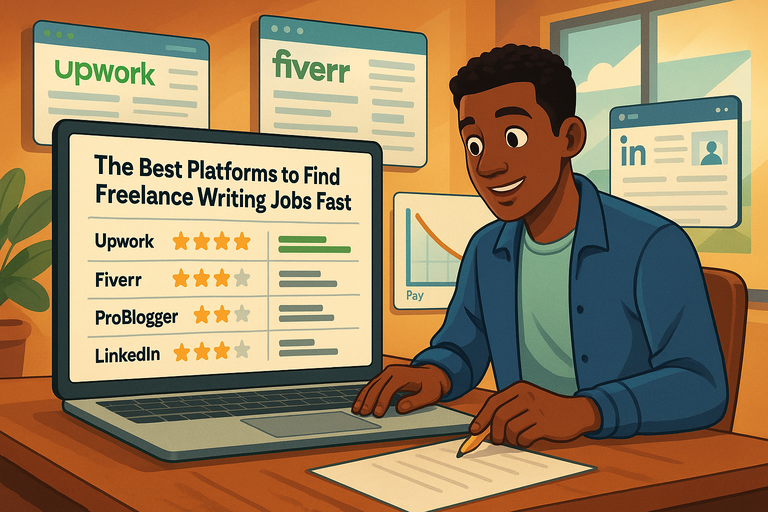
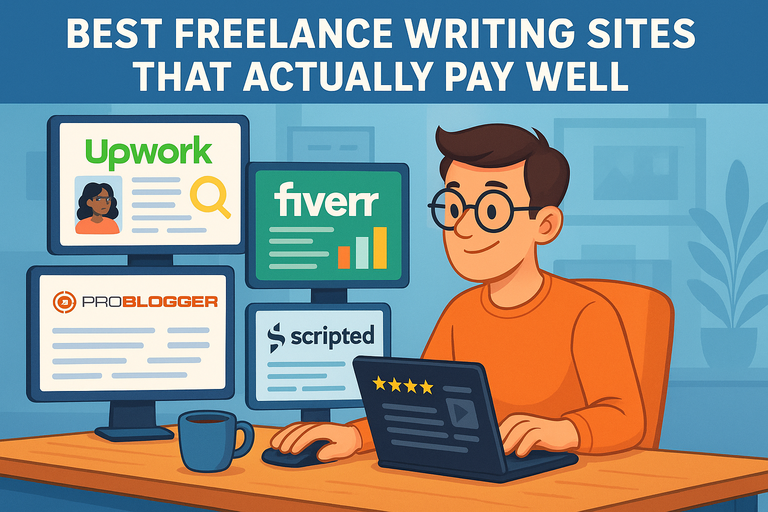
Start with Reliable Platforms Like Upwork, Fiverr, and ProBlogger
These platforms are beginner-friendly and give you exposure to a wide range of clients.
- Upwork: Great for project-based and hourly jobs. Use filters to target clients with verified payment methods and 4.5+ ratings.
- Fiverr: Works well for set services like “1,000-word SEO blog post.” Build packages and upsell add-ons like editing or keyword research.
- ProBlogger Jobs: One of the best boards for professional blogging gigs, updated daily with remote listings.
I recommend setting aside one hour a day to apply strategically. Don’t mass-apply—choose 2–3 listings that genuinely fit your skills and craft a personal pitch for each.
Use Cold Pitching to Reach Clients Directly and Secure Projects
Cold pitching works surprisingly well when done right. Instead of waiting for listings, you email potential clients directly with a tailored offer.
Here’s how to do it:
- Research small businesses or blogs in your niche.
- Find their content manager’s email using tools like Hunter.io.
- Send a short, friendly pitch introducing yourself, showing relevant samples, and suggesting one topic idea.
Keep it under 150 words and make it about them, not you. I’ve personally landed long-term clients this way without going through any job platform.
Learn How to Write Winning Job Proposals That Convert
A great proposal focuses on results, not credentials.
Structure it like this:
- Start with a personalized greeting mentioning something specific about the client’s project.
- Identify their main goal (e.g., better traffic, conversions, or clarity).
- Show how you’ll help them achieve it.
- End with a simple call-to-action, like “Would you like me to send a short outline idea?”
Avoid long intros or lists of achievements. Clients care more about what you can do for them today.
Understand Payment Terms and How to Avoid Unpaid Work
Before accepting any project, confirm:
- Payment method (PayPal, Upwork escrow, bank transfer).
- Payment schedule (per milestone or project completion).
- Revision terms and delivery dates.
If a client refuses to sign a simple agreement or avoids specifics, it’s safer to walk away. I also advise using platforms with built-in payment protection (like Upwork or Fiverr) when starting out.
Trust takes time—but so does protecting your work and income.
Use AI and Writing Tools to Increase Productivity
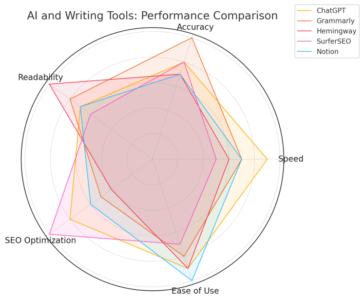
The right tools can easily double your output without compromising quality.
Whether you’re editing, brainstorming, or managing deadlines, automation can free you to focus on writing that sells.
Use Tools Like Grammarly and Hemingway for Fast Editing
Grammarly corrects grammar, punctuation, and tone in real time. Hemingway Editor helps you shorten sentences and remove fluff for clarity.
Here’s how I use them together:
- Draft in Google Docs for easy sharing.
- Run the text through Grammarly for basic corrections.
- Copy it into Hemingway to simplify long sentences and improve readability.
This 10-minute routine ensures clean, professional work every time.
Leverage ChatGPT for Brainstorming and Drafting Ideas
ChatGPT (yes, that’s me) can help you brainstorm titles, structure outlines, or rephrase awkward sentences. For instance, type: “Generate five blog title ideas for freelance writing tips.”
You can also use it to overcome writer’s block or speed up repetitive tasks like writing meta descriptions. Just remember to fact-check and rewrite in your own voice.
AI helps with structure; the human touch keeps it authentic.
Automate Repetitive Tasks with Writing Assistants and Templates
Templates save enormous time. Tools like Notion, Trello, or Google Docs let you build repeatable content systems—like blog post outlines or proposal templates.
For example, you can create a “Client Proposal” template with placeholders for:
- Client name
- Project goals
- Deliverables
- Timeline and payment terms
That’s one document you can reuse dozens of times with small edits.
Use Time Tracking Tools to Manage Projects Efficiently
Productivity starts with knowing where your time goes. Toggl Track or Clockify are free apps that log how much time you spend writing, researching, or editing.
Here’s a practical approach:
- Set a timer when starting a project.
- Label each session (e.g., “Research – 45 mins,” “Drafting – 1 hour”).
- Review your weekly report to see which tasks eat up time.
I’ve used Toggl for years—it helped me realize I spent more time on editing than writing. That insight led me to charge editing separately, boosting my income instantly.
Set Rates That Reflect Your Value and Grow Your Income
Freelance writing earn money opportunities grow faster when you charge what you’re truly worth.
Setting rates isn’t about guessing—it’s about understanding value, confidence, and smart negotiation.
Learn the Difference Between Per-Word and Per-Project Pricing
Writers usually get paid either per word or per project. Each has its pros and cons, depending on your goals.
- Per-word pricing is simple: you’re paid for every word you write. For example, $0.10 per word for a 1,000-word article means $100. This model works best for beginners because it’s transparent and easy to calculate.
- Per-project pricing lets you charge based on deliverables, not word count. Say a blog post requires SEO research, interviews, and formatting—you might charge $300 for the full package.
I personally prefer per-project pricing once you’ve gained experience. It rewards efficiency rather than punishing you for writing faster.
Clients also appreciate clear, upfront pricing without worrying about variable word counts.
Negotiate Confidently Without Undervaluing Your Work
Negotiation isn’t confrontation—it’s communication. You’re not begging for money; you’re establishing mutual respect.
I recommend these quick steps:
- Research the market rate for your niche using sites like Glassdoor or Peak Freelance.
- State your price confidently, not apologetically. “My rate for this type of article is $200” sounds better than “I can do it for $200 if that’s okay.”
- Explain the value, not just the task. Instead of “I’ll write 1,000 words,” say “I’ll create a blog post optimized to rank on Google and engage readers.”
I once doubled my rate simply by attaching an outline and SEO keyword list in my proposal—it proved I understood the client’s goals.
Use Tiered Pricing Packages for Recurring Clients
Tiered packages make your pricing flexible and scalable. They help you upsell without pressure while giving clients clear options.
Example of simple packages:
- Basic: 1 blog post/week (SEO + research) – $500/month
- Standard: 2 blog posts/week + image sourcing – $900/month
- Premium: 4 blog posts/week + keyword plan + performance tracking – $1,600/month
Clients love having choices—it feels less like negotiation and more like collaboration. Plus, consistent monthly income keeps your workload predictable.
Know When and How to Raise Your Rates Strategically
You should raise your rates at least once or twice a year, especially if your skills or results improve. A 15–25% increase is fair when you’ve proven your value.
Here’s how I do it smoothly:
- Give clients advance notice (2–3 weeks).
- Justify the increase with results: “Since we started, your traffic has grown 40%, so I’m updating my rate to reflect the increased demand.”
- Offer options: “You can stay at the current rate for the next month or switch to a package for better value.”
It’s about evolution, not sudden jumps. The clients who value you will stay—and those who don’t, free up room for better ones.
Develop a System for Consistent Freelance Income
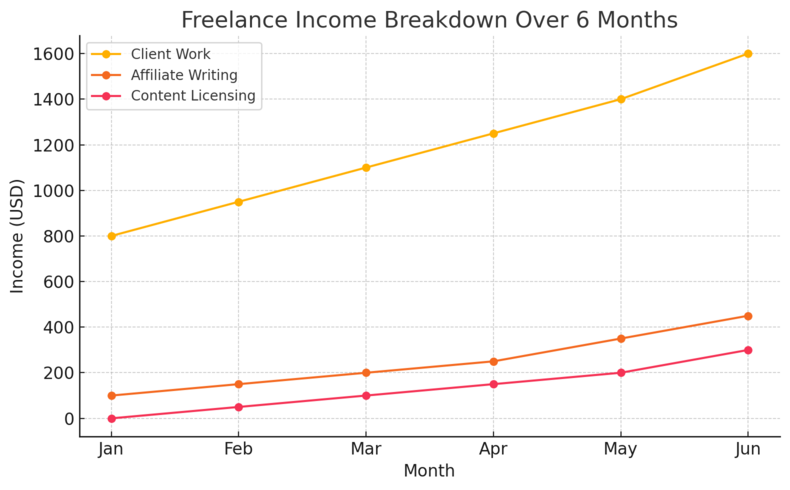
Freelance income can fluctuate wildly, but systems create stability. With structure, you’ll spend less time chasing payments and more time writing and growing.
Create a Weekly Writing Schedule That Balances Work and Growth
Without structure, freelancing turns chaotic fast. A balanced schedule keeps you productive and motivated.
Here’s what works for me:
- Monday–Wednesday: Client projects and deadlines.
- Thursday: Marketing, pitching, and portfolio updates.
- Friday: Skill-building, research, and admin tasks.
Use tools like Google Calendar or Notion to block time for deep work. Even two consistent hours a day of focused writing can lead to sustainable results.
Use a CRM or Simple Spreadsheet to Track Clients and Invoices
You don’t need fancy software. A Google Sheet or Airtable template can keep your business organized.
Include columns for:
- Client name and contact
- Project type and rate
- Invoice date and status
- Notes for follow-ups
If you prefer automation, Notion CRM templates or tools like Bonsai track invoices, contracts, and deadlines effortlessly. I’ve used Bonsai for years—it reminds me when payments are overdue and automates invoices in seconds.
Build Long-Term Relationships with Repeat Clients
Stable income comes from returning clients, not one-offs. Deliver on time, communicate proactively, and suggest new ideas regularly.
A simple monthly check-in like, “Would you like me to pitch next month’s topics?” often leads to consistent work. Clients appreciate initiative—it saves them planning time.
In my experience, five reliable clients paying monthly are worth more than twenty small gigs.
Diversify Income with Affiliate Writing and Content Licensing
Once you have steady clients, expand your income streams.
Two smart methods:
- Affiliate writing: Create blog content that links to products and earns commissions when readers buy. You can do this for your own site or client sites.
- Content licensing: Sell reuse rights for high-performing articles. Some brands will pay to republish your best work under their banner.
Even one good affiliate article can generate passive income long-term. Think of it as planting seeds while you continue freelance work.
Scale Your Freelance Writing Career Beyond Solo Work
At some point, you’ll hit your personal capacity. Scaling means finding ways to earn more without working more hours.
Build a Small Team or Outsource Parts of Your Writing Process
If you’re overwhelmed, hire help. Start small: an editor, a virtual assistant, or a researcher.
Here’s how I did it: I hired a part-time editor to handle formatting and proofreading. That freed me to focus on high-paying writing and client strategy. My output doubled, and my income followed.
Use tools like Slack for team communication and Google Drive for content collaboration. These keep workflows smooth without expensive management software.
Transition Into Content Strategy or Editing Roles
As your experience grows, shift from writing every word to shaping content. Content strategists plan topics, manage writers, and ensure consistency across platforms.
You can offer strategy packages like:
- Keyword research + topic calendar for $500/month
- Full content roadmap and SEO review for $1,200/month
It’s less hands-on writing and more leadership. Plus, clients pay premium rates for strategic oversight.
Launch a Blog or Newsletter for Passive Income
Owning your audience gives you long-term freedom. A blog or newsletter can generate income through:
- Affiliate marketing
- Sponsored content
- Digital product sales (like eBooks or templates)
Tools like Substack make starting a newsletter effortless. Even a small, loyal subscriber base can turn into a consistent revenue stream.
I started my own newsletter to share writing tips and landed three consulting clients within two months. It’s proof your expertise attracts work naturally.
Use Social Media to Build a Personal Writing Brand
You don’t need a huge following—just consistency. Platforms like LinkedIn, Twitter (X), and Instagram are excellent for showcasing your expertise.
Post short writing tips, share lessons learned, and engage with others in your niche. One viral post can attract multiple clients.
The key is to be authentic. Share your process, not perfection. People connect with honesty, not polished sales pitches.
Expert Tips to Make Freelance Writing Earn Money Fast
The fastest path to success combines skill, focus, and smart systems. Let’s finish with strategies I’ve personally seen accelerate income for writers.
Focus on Speed Without Sacrificing Quality
Speed matters when you’re paid per project. I recommend using writing sprints—25-minute focused sessions followed by short breaks.
Also, reuse your research. If you wrote an article about email marketing last week, adapt parts for a related post on newsletter automation. The idea isn’t to rush—it’s to optimize.
Reuse and Repurpose Content to Maximize Output
You can turn one strong piece into multiple income streams.
For example:
- Convert a blog post into a LinkedIn carousel.
- Turn client data into an infographic or downloadable PDF.
- Update old content for SEO and resell it as “refreshed” material.
I’ve repurposed a single 2,000-word guide into five smaller posts across platforms—each one reaching new readers without rewriting from scratch.
Learn How to Upsell Services Like SEO Optimization or Strategy
Upselling means offering clients added value. Once a client trusts your writing, suggest extras like:
- Keyword optimization for $50/article
- Content briefs or outlines for their internal writers
- Social captions or meta descriptions for their posts
This builds your income without finding new clients. It’s about deepening, not widening, your relationships.
Stay Updated on Market Trends to Stay Competitive
Freelance writing evolves constantly. I suggest reading industry sites like Content Marketing Institute, Ahrefs Blog, and Search Engine Journal weekly.
Also, track changes in AI writing tools and Google algorithm updates—they directly affect what clients need.
In short, learning never stops. The best freelance writers adapt fast, think strategically, and keep their curiosity alive.

I’m Juxhin, the voice behind The Justifiable.
I’ve spent 6+ years building blogs, managing affiliate campaigns, and testing the messy world of online business. Here, I cut the fluff and share the strategies that actually move the needle — so you can build income that’s sustainable, not speculative.
Related posts:
 Survival Tips for Freelance Writers
 The Future of Work: How Remote Work is Revolutionizing the Way We Work
 How to Make Big Money Fast: Top Tips for Boosting Your Income
 The Best Platforms to Find Freelance Writing Jobs Fast
 Contract Writer: How to Land Steady Writing Work Online
 Best Freelance Writing Sites That Actually Pay Well