
Table of Contents
Some links on The Justifiable are affiliate links, meaning we may earn a small commission at no extra cost to you. Read full disclaimer.
How do you grow online business when you don’t have a big marketing budget? It’s the question every small business owner, freelancer, and digital creator faces at some point.
The good news—you don’t need piles of cash to build real momentum online. What you do need is smart strategy, consistency, and a clear understanding of where your efforts create the most impact.
In this guide, we’ll break down practical, low-cost ways to grow your business sustainably without relying on expensive ads or massive teams.
Leverage Organic Traffic Through SEO
Getting steady traffic without ads starts with understanding how people actually search. SEO (Search Engine Optimization) isn’t about chasing algorithms—it’s about serving real human intent better than competitors do.
When you focus on solving specific problems through valuable content, Google rewards you with long-term visibility.
Build Content Around Long-Tail Keywords
Long-tail keywords are specific search phrases people use when they know what they want, like “best email tools for small businesses” instead of just “email tools.” I suggest using tools like Google’s Keyword Planner, Ahrefs, or Ubersuggest to find phrases with low competition and clear intent.
Here’s how you can approach it:
- Identify niche pain points: Think about what your customers type when they’re ready to take action.
- Write detailed, helpful content: Create blog posts, guides, or tutorials that fully answer those search queries.
- Add supporting examples: If you’re writing about “how to grow online business,” include step-by-step methods or real examples from your own experience.
Long-tail keywords might bring fewer visitors per post, but the traffic converts better because it’s highly targeted.
Optimize Existing Pages for Better Rankings
You don’t always need more content—sometimes, you just need to improve what you already have. Start by analyzing pages that rank on page two or three of Google. Then:
- Update outdated information: Replace old statistics or tools with newer ones.
- Improve readability: Use shorter sentences, more white space, and clear subheadings.
- Enhance internal linking: Link related posts together to strengthen site structure.
- Add schema markup: Use structured data to help Google understand your content better.
From what I’ve seen, even small changes—like rewriting meta descriptions or optimizing H2 tags—can move a post several positions higher within weeks.
Use Free SEO Tools to Track and Improve Performance
You don’t need premium software to track progress. Free tools can give you plenty of insight:
- Google Search Console: Check which keywords bring impressions and clicks, then optimize pages that underperform.
- Google Analytics: Understand where users drop off or which pages convert best.
- AnswerThePublic: Find questions your audience is actually asking.
I recommend checking these once a week. Over time, patterns emerge that guide you toward what’s actually working—so you spend less time guessing and more time refining.
Create Topic Clusters to Boost Topical Authority
A topic cluster is a collection of related articles that link back to a central pillar post. This structure signals to Google that your website is a trusted resource on that subject.
For example, if your main keyword is “how do you grow online business,” your cluster might include:
- A pillar article explaining the overall process.
- Supporting posts on SEO, partnerships, social media, and conversions—all linking back to the main one.
To make it work:
- Choose one broad, valuable topic.
- Write in-depth cluster posts targeting subtopics.
- Interlink them logically using anchor text that feels natural.
When done well, this method can increase your average session time and build stronger keyword relevance across your entire site.
Grow Faster With Strategic Partnerships
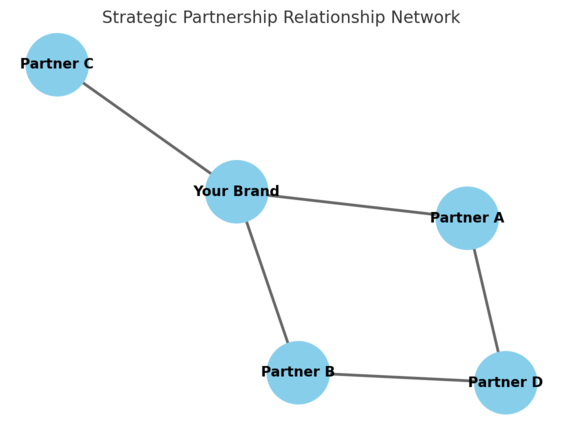
No marketing budget? Then build relationships that multiply reach. Partnerships give you access to new audiences without paid ads—and when done right, everyone wins.
Collaborate With Complementary Brands
Instead of competing, find brands that share your audience but sell different products. For example, a fitness coach could partner with a healthy meal prep company.
You can:
- Host a joint giveaway.
- Create a shared email series.
- Offer discounts for each other’s customers.
I suggest starting small: reach out to micro-brands in your niche that align with your tone and mission. These collaborations cost almost nothing but can deliver loyal, high-intent leads.
Use Guest Posting to Expand Reach and Credibility
Guest posting is still one of the most effective organic growth strategies—if done with purpose. Choose sites that your audience actually reads, not just those with high domain authority.
Here’s the quick path I use:
- Research blogs with overlapping audiences.
- Pitch a unique, actionable topic (avoid anything too promotional).
- Write something so useful that people want to follow you back.
Include a natural link back to a relevant page on your site—preferably one that adds extra value to the topic. Over time, these backlinks improve your domain authority, and your name becomes associated with expertise.
Build Joint Offers or Bundles That Add Mutual Value
Bundling is an underrated strategy for organic growth. Two small businesses can combine resources and create a powerful offer.
For instance:
- A web designer and a copywriter could bundle a “launch-ready website package.”
- A course creator and a marketing coach could sell a combined training offer.
What works best are collaborations where both parties promote equally and share audiences through newsletters or webinars.
It creates a win-win loop—each partner amplifies the other’s visibility without paid spend.
Leverage Influencer Micro-Collaborations Instead of Paid Ads
Micro-influencers (1,000–50,000 followers) often drive more engagement than big names—and many will collaborate for free products, commissions, or shoutouts.
Try this:
- Search hashtags in your niche to find genuine creators.
- DM them with a short, personalized message explaining how your product benefits their audience.
- Focus on long-term relationships rather than one-off posts.
In my experience, a few loyal micro-influencers can outperform one expensive influencer campaign—because their trust and authenticity convert followers into actual buyers.
Use Email Marketing To Build Relationships That Sell
Email marketing is one of the few channels you fully own. You’re not at the mercy of algorithms or ad spend—it’s direct, personal, and relationship-driven.
When done right, email can consistently grow your online business by nurturing trust, not just pushing offers.
Offer Lead Magnets That Solve a Specific Pain Point
A good email relationship starts with a fair exchange: value for access. A lead magnet is that first gesture of goodwill—it could be a free checklist, template, or mini-course that solves a specific problem your audience has.
Keep it practical. Instead of vague promises like “Grow your business faster,” focus on something tangible like “5 proven subject line formulas that boost open rates.” The narrower and more actionable your offer, the higher your sign-up rate.
You can easily build landing pages for your lead magnets using Aweber or MailerLite—both offer drag-and-drop editors and clear form integrations.
I suggest embedding these opt-ins throughout your content (like the middle of blog posts or exit-intent popups).
The goal is to meet readers at the moment they’re most interested, not just at the footer.
Segment Your Email List for Personalized Campaigns
Not all subscribers want the same thing, and treating them as one group kills engagement fast. Segmentation means dividing your audience based on their actions, interests, or purchase behavior.
Inside tools like ActiveCampaign you can create tags for:
- New leads who’ve just joined your list.
- Engaged readers who open or click often.
- Customers who’ve already purchased.
This lets you personalize your emails—like sending “advanced strategies” to active users while reintroducing basics to new ones. I believe personalization is what keeps open rates above 30%, even for small lists.
Automate Welcome Sequences to Nurture New Leads
Think of automation as your silent sales assistant—it welcomes new subscribers, builds trust, and pre-qualifies them before you ever send a sales pitch.
A solid welcome sequence could look like this:
- Email 1: Thank them for joining and deliver the lead magnet.
- Email 2: Share your story or brand mission to create connection.
- Email 3: Provide quick wins or educational tips.
- Email 4: Introduce your product or offer naturally.
Tools like Flodesk or Brevo (formerly Sendinblue) make automation visual and intuitive. I suggest reviewing your workflows monthly to make sure emails still match your brand tone and audience needs.
Re-Engage Dormant Subscribers With Valuable Offers
Every list has cold subscribers—the ones who stopped opening your emails months ago. Instead of deleting them, try reigniting interest with a simple “We miss you” campaign.
Offer something fresh like:
- A free resource update.
- A sneak peek of new content.
- A personal note asking what they’d like to see next.
In my experience, even a single “check-in” email with a genuine tone can recover 10–15% of inactive readers. It’s cheaper and faster than finding new leads, and it reminds your audience you actually care about their experience.
Create Evergreen Content That Drives Continuous Traffic
Evergreen content is the backbone of sustainable online growth. Instead of fading after a week, these pieces keep generating traffic, leads, and links for years.
Turn Common Questions Into Evergreen Blog Posts
Start with questions your audience constantly asks—these are goldmines for timeless content. For example, “How do you grow online business without spending on ads?” remains relevant year after year.
Use Google’s People Also Ask or Reddit discussions to uncover recurring pain points. Then, build detailed blog posts that answer those questions clearly, including step-by-step solutions and examples.
A strong evergreen article should:
- Focus on education rather than trends.
- Include internal links to related topics.
- End with a clear call to action (like joining your newsletter).
I suggest tracking performance quarterly in Google Analytics. If traffic keeps climbing steadily, you’ve built something worth keeping.
Repurpose Long-Form Content Into Short, Shareable Pieces
Not everyone reads 2,000-word guides—but snippets from those guides can live everywhere.
Repurpose content into:
This multiplies visibility without extra research or writing.
Personally, I often take sections from my best-performing articles and turn them into short posts on LinkedIn—these bring in a steady flow of traffic back to the full piece.
Use SEO-Friendly Formatting to Maximize Longevity
Even the best evergreen content can flop if it’s hard to read. Formatting makes the difference between a skimmed post and a saved one.
Here’s what I suggest:
- Use short paragraphs (2–3 lines max).
- Add subheadings for every key idea.
- Include bullet points where clarity matters.
- Optimize for featured snippets using concise definitions or numbered steps.
It’s simple, but I’ve seen posts climb from position 8 to 3 just because of formatting and readability updates.
Refresh and Update Older Content for Continued Performance
Search engines reward freshness, even in evergreen pieces. Set a reminder every 6–12 months to audit old posts:
- Replace outdated stats.
- Update screenshots or UI references.
- Add new internal links.
For instance, if you wrote about “email marketing automation” two years ago, mention newer platforms like Beehiiv and explain how their dashboards differ. Small updates keep content accurate and ranking high.
Maximize Social Media Without Paid Ads
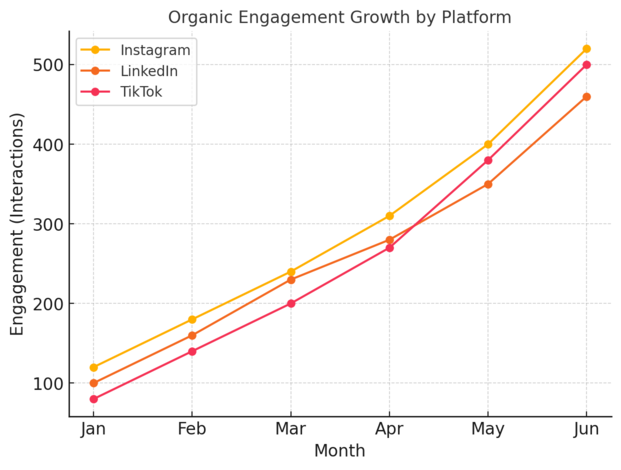
You don’t need a massive following or ad budget to make social media work. The key is showing up where your audience already hangs out and giving them value they actually care about.
Focus on the Platforms Where Your Audience Actually Engages
Instead of spreading thin across every network, double down on the 1–2 that bring results.
For example:
- If you’re in B2B, LinkedIn tends to outperform.
- For creatives or eCommerce, Instagram or TikTok work better.
Check your Google Analytics > Acquisition > Social path to see where your traffic really comes from. I often find businesses wasting time on Facebook when their best leads come from LinkedIn.
Use Storytelling and Value-Driven Posts Over Promotion
People don’t follow to be sold to—they follow to be inspired, educated, or entertained. Share real stories, lessons learned, and behind-the-scenes moments that make your brand human.
Try this simple structure:
- Hook with a relatable statement.
- Share your experience or insight.
- End with a practical takeaway.
I once turned a client’s story about a failed product launch into a post about resilience—it got 10x more engagement than their usual ads. Authenticity scales faster than sales talk.
Join and Participate in Niche Communities or Groups
Communities are where the real conversations happen. Whether it’s Reddit, Discord, or Facebook Groups, consistent participation can drive genuine interest and traffic.
Engage by:
- Answering questions without linking right away.
- Sharing free value like templates or insights.
- Building a name as the “helpful expert” in your space.
I’ve seen creators grow from zero to hundreds of leads a month just by being active and visible in niche discussions. It’s slow, but it builds loyalty money can’t buy.
Use User-Generated Content to Build Authenticity
Nothing builds credibility faster than real people sharing your product. Encourage customers to post their experiences and tag you.
You can prompt this with:
- Simple contests (“Share your setup using #MyBrandName”).
- Feature shoutouts in your stories or newsletters.
- Asking for quick testimonials after purchase.
I advise using tools like Later or Metricool to schedule and curate UGC posts easily. It’s cost-free content that strengthens trust and keeps your feed dynamic.
Convert Visitors With High-Impact, Low-Cost Optimization
You can attract thousands of visitors, but if your website doesn’t convert, the effort goes to waste.
Conversion optimization doesn’t have to be expensive—small, smart adjustments can double your results. The goal is simple: make it easy for visitors to take the next step.
Simplify Your Website to Improve User Experience
When people land on your site, they decide in seconds whether to stay or leave. A cluttered page kills trust fast. I always recommend starting with clarity over creativity.
Focus on three essentials:
- Fast loading speed: Use tools like Google PageSpeed Insights or GTmetrix to check your speed. Aim for under 3 seconds.
- Clean navigation: Group similar pages logically and keep the menu minimal—no dropdowns within dropdowns.
- Consistent design: Stick to 2–3 brand colors and readable fonts.
A simplified homepage should instantly answer three questions: Who are you? What do you offer? What should I do next? If a visitor can’t tell within five seconds, they’ll leave.
I once helped a small coaching business trim its homepage from 15 sections to 6—their conversions jumped by 37% in two weeks.
Use Clear CTAs and Persuasive Copywriting
A call-to-action (CTA) isn’t just a button—it’s a direction. The clearer and more specific it is, the higher your conversions.
Avoid vague text like “Submit” or “Learn More.” Instead, use action-driven phrases like “Get My Free Guide” or “Start Your Trial.”
Here’s a simple copy structure that works almost everywhere:
- Identify the reader’s problem.
- Explain the solution briefly.
- End with a CTA that promises a result.
If you’re using platforms like Webflow, keep your primary CTA visible above the fold—preferably on the top right and repeated in the hero section.
I believe persuasive copywriting is more about empathy than clever words. Talk like a human who understands their struggle, not a marketer trying to impress.
Test Different Lead Capture Methods
Not every audience responds to the same lead capture form. Some prefer pop-ups, others like inline forms or chat prompts. The only way to know is to test.
Try experimenting with:
- Exit-intent popups using OptinMonster.
- Slide-in forms that appear when users scroll 50% down.
- Sticky bars that offer quick discounts or guides.
The key is relevance. If your popup interrupts the experience, you’ll lose trust instead of gaining leads.
I suggest running A/B tests using VWO to find which format converts best. Even a simple headline tweak can improve opt-ins by 10–20%.
Implement Free Analytics Tools to Measure What Works
If you can’t measure it, you can’t improve it. Thankfully, you don’t need pricey analytics software.
Start with:
- Google Analytics 4: Track where users drop off and which pages convert best.
- Hotjar or Microsoft Clarity: Watch heatmaps and session recordings to see where people actually click or get stuck.
- Google Tag Manager: Simplify how you install and manage tracking scripts.
I recommend checking these weekly to identify friction points. You might find that users reach your pricing page but never click “Buy Now.” That insight tells you exactly where to optimize next.
Turn Existing Customers Into a Growth Engine
Your happiest customers are your most powerful marketers.
Instead of constantly chasing new traffic, you can grow faster by turning current customers into advocates, repeat buyers, and community members.
Create a Simple Referral Program With Real Incentives
People love sharing things that make them look smart or helpful. A referral program gives them a reason to do it more often. Keep it simple—complex referral systems usually fail.
Start with:
- One clear incentive: Offer a discount, credit, or small cash reward.
- Easy sharing links: Use tools like ReferralCandy or Gleam to automate this.
- Quick tracking: Show referrers their progress visually on a small dashboard.
For example, one local fitness brand I advised gave a free month to any client who referred three friends. It boosted memberships by 25% in one quarter without spending a cent on ads.
Use Testimonials and Reviews to Build Trust
Before buying, people look for proof. Real testimonials and reviews can convert hesitant visitors into buyers.
To collect them efficiently:
- Ask right after a positive interaction or milestone.
- Use Google Forms or Typeform for easy submissions.
- Showcase 3–5 short, authentic quotes on your homepage and product pages.
Avoid over-polished or generic reviews—they feel fake. I prefer including first names, photos (if possible), and specific results.
For instance, “I grew my email list by 40% in two months using this tool” builds far more credibility than “Amazing product!”
Send Personalized Follow-Ups to Encourage Repeat Sales
A simple, timely follow-up can turn a one-time customer into a loyal supporter. Instead of blasting generic newsletters, send messages triggered by specific actions.
Examples:
- A “thank you” email with bonus resources after purchase.
- A reminder to restock after 30 days (for consumables).
- A “we noticed you liked this” recommendation email.
Platforms like Omnisend make this automation easy.
I advise reviewing purchase patterns every month—then creating small, targeted sequences to encourage second or third purchases. These are often your most profitable emails.
Build a Community Around Your Brand for Long-Term Loyalty
Communities keep your customers connected long after the sale. Whether it’s a private Facebook Group, a Discord server, or a members-only Slack channel, the key is shared value.
Inside your community, offer:
- Exclusive tips or early product access.
- Live sessions or AMAs (Ask Me Anything).
- Spaces for customers to share success stories.
When people feel they belong to something, they don’t just buy—they advocate.
I’ve seen creators turn a $29 product into a six-figure business simply because their customers built a loyal, active group around it.
Focus on Content Marketing That Educates and Converts
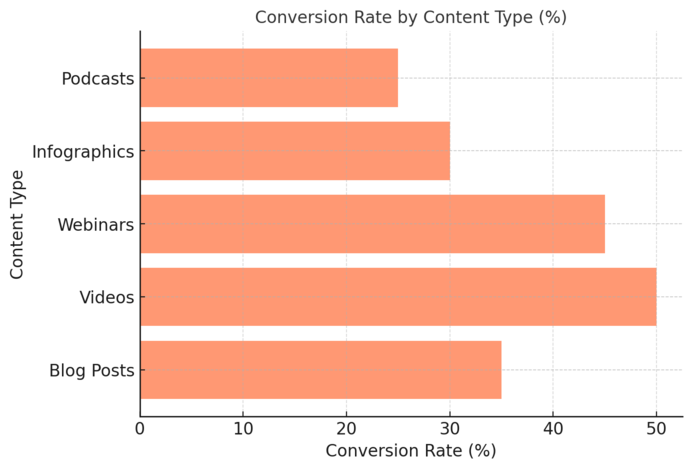
Content marketing isn’t just about visibility—it’s about authority and connection. When your content genuinely helps people, they remember your brand and trust your expertise.
Share Practical, Actionable Insights Through Blog or Video
Instead of churning out generic posts, focus on useful depth. Share lessons you’ve personally tested, including what worked and what didn’t. Readers crave transparency.
I suggest mixing formats:
- Step-by-step guides that solve one real problem.
- Short educational videos repurposed from written posts.
- Data-driven articles with examples or screenshots.
Tools like Notion can help you plan a content calendar efficiently. One practical tip: always end each post with a takeaway or action item. That’s what keeps readers coming back.
Host Free Webinars or Live Q&As to Build Authority
Webinars create trust fast because people can see and hear you in real time. You don’t need a studio setup—just a laptop, webcam, and a topic that solves a pressing problem.
Use Zoom, StreamYard, or Riverside to host them. Then promote via your email list or social media a week before.
Structure your session like this:
- Start with a quick story or hook.
- Teach 2–3 key lessons with examples.
- End with a soft call-to-action.
I once ran a live Q&A for a client that led to 47 sales in 24 hours—all organic, no ads. People buy from people they trust, and webinars are built on that principle.
Repurpose Blog Posts Into Podcasts or Infographics
Don’t let a great piece of content die after one post. You can stretch its value by turning it into other formats.
For instance:
- Record a short audio version and upload it to Spotify for Podcasters.
- Use Canva or Visme to turn lists or stats into infographics.
- Break long posts into a Twitter or LinkedIn thread series.
Repurposing saves time and meets your audience where they are. If they don’t have time to read, they might listen or skim. I believe every strong article should have at least two additional formats.
Use Storytelling to Humanize Your Brand Message
Facts inform, but stories persuade. When you share your struggles, small wins, or behind-the-scenes moments, people relate to you.
Try weaving stories into your content like this:
- Share a customer transformation story (with permission).
- Describe how you discovered a new process or tool.
- Use personal anecdotes to make lessons stick.
One of my favorite examples is a solopreneur who shared how a failed launch taught her to simplify her offer. That story became her best-performing post because it was real.
When your content feels human, it sells without pushing. That’s the essence of organic business growth—authentic value that connects and converts naturally.
Utilize Free or Low-Cost Tools To Streamline Operations
Running an online business doesn’t mean drowning in admin work or expensive software.
The smartest growth often comes from leveraging the right mix of automation and free tools. These tools help you save time, stay organized, and focus on what actually drives profit.
Automate Tasks Using Free Tools Like Zapier or Notion
Automation isn’t about replacing people—it’s about removing repetitive work so you can think and create more. I suggest starting with Zapier or Make (formerly Integromat) to connect the apps you already use.
For example:
- New lead form submission (Google Forms) → automatic entry into Airtable or Notion.
- New Shopify order → auto email confirmation via Gmail or Slack alert.
You can create a free Zap (Zapier’s automation flow) in minutes. Just log in, click “Create Zap,” and choose your trigger (e.g., new form submission) and action (e.g., send email).
Meanwhile, Notion is brilliant for organizing workflows. Use it to manage your content calendar, client projects, or even as a lightweight CRM. You can create linked databases and custom dashboards—all free.
I believe automation should feel invisible—working quietly in the background while you stay creative up front.
Use Canva and CapCut for Professional-Looking Visuals
Good visuals sell ideas faster than long explanations. The beauty today is you don’t need a designer to create them.
Canva lets you design branded templates, presentations, or social posts effortlessly. I recommend creating a Brand Kit (accessible in the left panel of Canva Pro) so your colors, fonts, and logos auto-load for consistency.
For video, CapCut is my go-to. It’s free, powerful, and mobile-friendly.
You can:
- Trim and subtitle clips for social media.
- Add music from CapCut’s built-in library.
- Export in the perfect dimensions for each platform (like 9:16 for TikTok or Reels).
Visual consistency matters more than cinematic perfection. If every image and clip feels like you, your brand becomes instantly recognizable—no ad spend required.
Manage Projects Efficiently With Trello or Asana
Disorganization kills productivity, especially when juggling clients, content, and marketing. Tools like Trello and Asana make project management visual and effortless.
Here’s how I use them:
- Trello: For creative workflows. Each board represents a project, and cards move from “Ideas” → “In Progress” → “Published.” It’s perfect for solopreneurs or small teams.
- Asana: Better suited for team collaboration. You can assign tasks, set deadlines, and create project milestones.
Both tools integrate with Google Drive and Slack, so communication stays centralized. I suggest reviewing your boards weekly—it helps catch bottlenecks early and keeps work flowing smoothly.
Track Conversions and Behavior With Google Analytics
You can’t grow what you don’t measure. Google Analytics 4 (GA4) is completely free and gives you powerful insight into what’s working.
Start by checking:
- Acquisition reports (where visitors come from).
- Engagement metrics (how long they stay and which pages perform best).
- Conversion events (what actions people take before buying or subscribing).
If you’re new to GA4, here’s a quick path: open your dashboard → go to “Reports” → click “Engagement” → view “Pages and Screens.” You’ll see which content holds attention and which pages need improvement.
For visual behavior data, pair GA4 with Microsoft Clarity—it shows session replays and heatmaps for free. Once you understand what users do, improving UX becomes less about guessing and more about strategy.
Build Authority Through Consistency and Trust
Trust compounds like interest. The more consistent and transparent you are, the stronger your authority becomes. People don’t just buy products—they buy reliability.
Stay Consistent With Content and Communication
Consistency builds credibility. Whether you publish twice a week or twice a month, stick to it. I always recommend creating a content rhythm that’s sustainable, not stressful.
You can plan posts in Notion, schedule them with Buffer or Later, and reuse existing content across platforms. The key is showing up regularly with the same tone and message.
Consistency doesn’t mean repetition—it means reliability. When your audience knows you’ll keep showing up with value, they start to trust what you say, and eventually, what you sell.
Be Transparent About Your Process and Values
People buy from people they trust—and trust grows when you’re open. Share the why behind your business decisions, your process, and even your mistakes.
For instance, if you’re raising prices, explain the reason: maybe you’ve improved product quality or added new features. Or if something goes wrong, address it publicly and quickly. Transparency turns potential backlash into respect.
One of my clients in eCommerce started sharing monthly “behind the scenes” updates. Their refund rate dropped by 20% because customers felt part of the journey. I’ve learned that honesty isn’t a liability—it’s a magnet for loyal buyers.
Engage Directly With Followers and Respond to Feedback
Social media isn’t just for broadcasting—it’s for conversation. Reply to comments, answer DMs, and acknowledge feedback, even criticism.
Use simple tools like Meta Business Suite or Hootsuite to manage all social replies in one place. When someone feels seen, they remember you.
Here’s what I suggest:
- Thank positive comments publicly.
- Acknowledge complaints privately, then resolve them fast.
- Ask open-ended questions to spark dialogue.
These micro-interactions build macro trust. Every thoughtful reply is a small deposit into your brand’s credibility bank.
Position Yourself as an Expert in a Specific Niche
You don’t need to be everything to everyone—just be exceptional in one space. Narrowing your focus actually widens your impact.
Start by identifying your sweet spot—where your knowledge meets your audience’s biggest need. Then, create consistent content around that.
For example:
- Host niche tutorials on YouTube.
- Write “how-to” blogs based on your experience.
- Collaborate on podcasts in your field.
When you own a topic deeply, opportunities come naturally. I believe real authority isn’t declared—it’s demonstrated through consistent, helpful actions over time.
Pro Tip: Play the Long Game
The fastest way to grow an online business without a big marketing budget is to stop chasing shortcuts. Growth takes time, but sustainable systems beat quick wins every time.
Focus on Building Relationships, Not Just Sales
Sales feed your business. Relationships grow it. Focus on giving value first—whether it’s through helpful content, genuine engagement, or small personal touches.
One practical idea: when someone joins your email list, send a quick personal note (even automated) thanking them and asking what they’re working on. You’ll get insights and loyalty in return.
The more people feel understood, the more they’ll stick around—and recommend you.
Reinforce Your Message Across All Touchpoints
Your message should sound the same whether it’s on your website, emails, or social channels. Repetition builds recognition.
A quick exercise I often use: write down your three key brand values. Now check if they appear in your last five posts or emails. If not, bring them back.
Consistency of message builds memory. Memory builds trust. And trust builds business.
Measure Progress Weekly, Not Hourly
Obsessing over daily numbers can make you reactive. Instead, track progress weekly or monthly to see real trends.
Use Google Looker Studio to create a simple dashboard that pulls metrics from Analytics, Search Console, and social platforms. I suggest focusing on three core KPIs: traffic, leads, and conversions.
I’ve found this slower rhythm keeps you strategic instead of panicked—and it’s far easier to make smart long-term decisions.
Remember—Organic Growth Is Slower but More Sustainable
It’s tempting to compare your results to brands with paid teams and ad budgets. But organic growth builds stronger foundations. You’re not renting attention—you’re earning it.
Each article, post, or email you create adds another layer of credibility. That’s something no ad can replicate.
In my experience, the entrepreneurs who play the long game—focusing on trust, content, and relationships—always outlast the ones who chase quick returns. Slow isn’t weak. Slow is steady, and steady wins.

I’m Juxhin, the voice behind The Justifiable.
I’ve spent 6+ years building blogs, managing affiliate campaigns, and testing the messy world of online business. Here, I cut the fluff and share the strategies that actually move the needle — so you can build income that’s sustainable, not speculative.
Related posts:
 How to Do Online Marketing for Small Business in 2025
 Why Blogging is Good for Business: 7 Key Reasons
 How to Start an Online Marketing Business in Just 7 Days
 How to Do Online Marketing Business in 10 Simple Steps
 Best Blog Format for Business: Write Posts That Build Trust
 How to Grow an Online Business That Scales While You Sleep