
Table of Contents
Some links on The Justifiable are affiliate links, meaning we may earn a small commission at no extra cost to you. Read full disclaimer.
If you’ve been wondering how to grow online business through social media, you’re not alone. Every brand wants to turn followers into paying customers—but where do you start, and what actually works?
The truth is, growing your business online isn’t about posting random content; it’s about using the right strategy, platforms, and tools in a step-by-step way.
This guide breaks it all down so you can build an audience, boost engagement, and drive consistent sales through social media—without wasting time or money.
Define Your Goals and Target Audience
Before you dive into content creation or ads, you need clarity.
Defining your goals and understanding who you’re speaking to gives structure to your social media efforts and ensures every post has purpose.
Identify Specific Business Objectives
You can’t grow what you can’t measure. Start by identifying what success actually looks like for you. Are you aiming to increase website traffic, generate leads, or build brand awareness?
Be specific—“I want 30% more website traffic in three months” is much stronger than “I want more followers.”
Here’s how I approach this:
- Brand awareness goal: Focus on reach, impressions, and followers.
- Sales or lead goal: Prioritize conversion rates, link clicks, and cost per acquisition.
- Engagement goal: Track comments, shares, and saves as your main KPIs.
Setting clear objectives helps align your content type and posting frequency with your business direction.
For example, if conversions are your goal, short-form videos with call-to-actions (CTAs) might perform better than generic posts.
Understand Your Ideal Customer Profile
You can’t create impactful content if you don’t know who you’re talking to. I always recommend crafting a buyer persona—a semi-fictional representation of your ideal customer.
Start with these questions:
- Who are they (age, gender, location, job, income)?
- What are their interests and pain points?
- What motivates them to purchase or engage?
For instance, if you sell eco-friendly skincare, your audience might care about ingredients, sustainability, and ethical sourcing. Speak their language—show them real benefits, not just features.
Use platforms where they’re most active (Pinterest and Instagram for beauty; LinkedIn for B2B products).
Analyze Competitors and Market Trends
Analyzing competitors isn’t about copying—it’s about spotting opportunities. Look at your top three competitors’ social media accounts and evaluate:
- What type of content performs best (videos, carousels, infographics)?
- How often do they post and what engagement do they get?
- Which hashtags or keywords are they ranking for?
Use tools like BuzzSumo or Social Blade to track performance trends and engagement growth. I’ve found that this step often uncovers overlooked niches or untapped audiences.
For example, if competitors ignore customer stories, you can own that space and build stronger trust.
Set Measurable KPIs to Track Growth
Without measurable Key Performance Indicators (KPIs), your strategy is just guesswork. KPIs help you assess what’s actually working.
Choose metrics that directly link to your goals:
- Brand awareness: Reach, impressions, followers gained.
- Engagement: Likes, comments, shares, saves.
- Conversions: Click-through rate (CTR), cost per lead (CPL), sales conversion rate.
Track results weekly or monthly using built-in analytics (like Meta Insights or LinkedIn Analytics). If engagement drops, test new content formats or posting times.
Choose the Right Social Media Platforms
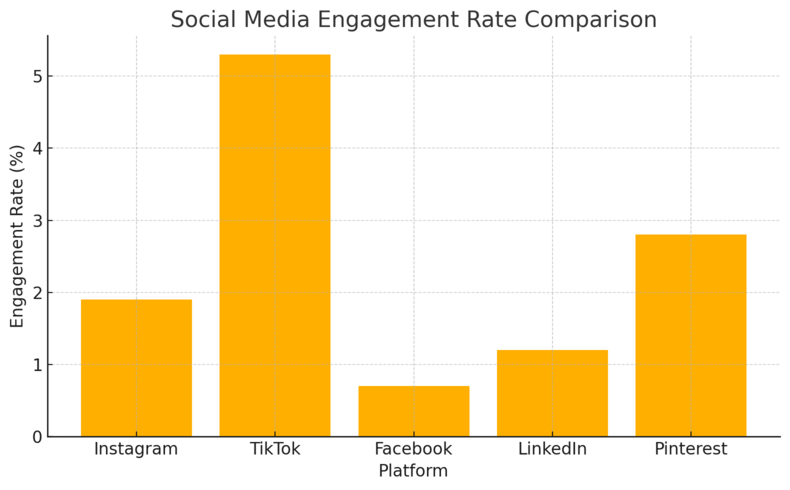
Not every platform fits every business. The key to growth is choosing where your audience already spends time and where your brand message can shine.
Match Platform Demographics With Your Audience
Every platform attracts different demographics and behaviors.
Here’s a quick reference guide:
- Instagram: Ideal for visual storytelling, lifestyle brands, and eCommerce.
- LinkedIn: Best for B2B, thought leadership, and professional services.
- TikTok: Perfect for reaching Gen Z through short, authentic video content.
- Facebook: Great for community-building and retargeting campaigns.
- Pinterest: Excellent for niches like home decor, fashion, and DIY.
Let’s say your business sells handmade jewelry. Instagram and Pinterest are better fits than LinkedIn, since those audiences care more about visual inspiration than professional networking.
Evaluate Which Platforms Drive Conversions
Not all engagement is equal. Some platforms may get you likes but no sales. That’s why I recommend testing conversion data directly from each platform.
Use UTM tracking links (custom URLs that track traffic sources) to see which platforms generate the most leads or revenue.
For instance:
- Instagram might bring traffic, but TikTok could convert more sales due to authentic, short-form product demos.
- LinkedIn ads could outperform Facebook if you’re offering a B2B service.
Always prioritize quality engagement over quantity of followers. Ten customers who buy are worth more than a thousand who just “like” your posts.
Use Analytics Tools to Test and Validate Choices
Data-driven decisions always beat assumptions. Tools like Google Analytics, Hootsuite Analytics, or Metricool show where your audience engages and converts best.
Here’s how to use them practically:
- Step 1: Set up conversion goals (e.g., newsletter sign-ups or purchases).
- Step 2: Monitor referral traffic from each social channel.
- Step 3: Double down on the platforms generating the highest ROI.
If you’re unsure, run short 14-day tests across 2–3 platforms, measure outcomes, and reallocate your effort accordingly.
Build a Strong and Consistent Brand Presence
Consistency builds recognition—and recognition builds trust.
Whether someone visits your Instagram or LinkedIn, they should instantly recognize your tone, visuals, and purpose.
Create a Memorable Brand Voice and Visual Identity
Your brand voice is your online personality. It should align with your values and audience expectations. Are you friendly and casual, or professional and authoritative?
For example:
- Playful tone: Works for lifestyle brands, like Gymshark or Wendy’s.
- Professional tone: Better suited for B2B brands, like HubSpot or Adobe.
Pair this with a cohesive visual identity—consistent colors, fonts, and logo placement across all platforms. Tools like Canva Brand Kit make it easy to maintain visual harmony, even when multiple team members create content.
Optimize Profiles With SEO-Friendly Bios and Links
Think of your social media profile as your mini landing page. Use keywords naturally in your bio so you appear in searches.
For example, instead of “Helping brands grow”, say “Helping small businesses grow through social media marketing.”
Quick checklist:
- Include your main keyword in the bio.
- Add a clear CTA (like “Book a free strategy call”).
- Use a trackable link (via Beacons) to monitor traffic sources.
When someone visits your profile, they should immediately understand what you offer and how to take the next step.
Maintain Consistent Posting and Messaging Across Platforms
Consistency isn’t just about frequency—it’s about cohesion. I recommend creating a content calendar using tools like Notion, Trello, or Later. This ensures your posts align with campaigns, launches, and holidays.
To maintain consistent messaging:
- Keep your brand story unified across platforms.
- Use the same tone in captions and comments.
- Repurpose content strategically (e.g., turn a LinkedIn post into an Instagram carousel).
By staying consistent, you create a sense of reliability and familiarity, which helps followers become long-term fans—and customers.
Pro Tip: Focus on depth, not noise. Growing through social media isn’t about being everywhere; it’s about being impactful where it matters most. Start small, track everything, and scale what actually brings in results.
Create High-Performing Content That Converts
Content is the bridge between attention and action. To grow your online business through social media, every post should guide your audience closer to a decision—whether that’s a follow, click, or purchase.
Develop a Content Strategy That Aligns With Buyer Journey
Not every follower is ready to buy, and that’s okay. The key is to design content for each stage of the buyer journey:
- Awareness: Create educational or entertaining posts that grab attention. Example: a “how-to” video or quick tip carousel.
- Consideration: Share comparison charts, testimonials, or behind-the-scenes videos to build trust.
- Decision: Use CTAs like “Shop now” or “Join today” paired with limited-time offers.
I recommend using a simple 3-column spreadsheet or a tool like Notion to plan your posts around these stages. This ensures you’re not just posting randomly but intentionally leading followers toward conversion.
Example: If you’re a fitness coach, awareness content could be a quick reel about “3 hidden habits slowing your fat loss.” Then, you’d follow with a client transformation story (consideration) and a CTA post offering a free consultation (decision).
Use Storytelling and Emotional Triggers to Build Connection
People connect with stories, not sales pitches. Storytelling humanizes your brand and helps you stand out in a crowded feed.
Use this 3-part storytelling formula:
- Relate: Start with a relatable struggle (“I remember when my engagement flatlined for months…”).
- Reveal: Share what changed or what you learned.
- Resolve: Show how the reader can apply the same lesson or solution.
Emotional triggers like hope, belonging, and achievement make your content memorable. In my experience, posts that reveal vulnerability—like lessons learned from failure—tend to generate 2–3x higher engagement.
Leverage Video, Reels, and Live Streams for Higher Engagement
Short-form video is dominating every platform right now. Instagram Reels, TikTok clips, and YouTube Shorts reach more users organically than static posts.
Here’s what I’ve seen work best:
- Hook in the first 3 seconds: Start with a question or surprising statement.
- Add captions: 85% of people watch without sound.
- Include a call-to-action: End with “Follow for tips” or “Check link in bio.”
For live streams, prepare bullet points and engage with viewers in real time. Try going live weekly to answer FAQs or demo products—tools like StreamYard make it easy to broadcast across platforms.
A quick example: A skincare brand I worked with hosted 15-minute live demos showing how to apply new products. Those sessions boosted their weekly sales by 27%.
Use Data to Identify Top-Performing Post Types
You don’t need to guess what your audience likes—your analytics already tell you.
Check these key metrics monthly:
- Reach and saves: Measure awareness and relevance.
- Click-through rate (CTR): Indicates interest and intent.
- Conversion rate: Confirms what content actually sells.
Tools like Meta Insights, TikTok Analytics, or Metricool can show trends visually. If you notice carousels outperform videos by 40%, double down on that format while testing new ones in small doses.
Data isn’t just numbers—it’s feedback. It’s your audience telling you, “More of this, please.”
Grow Your Audience Organically
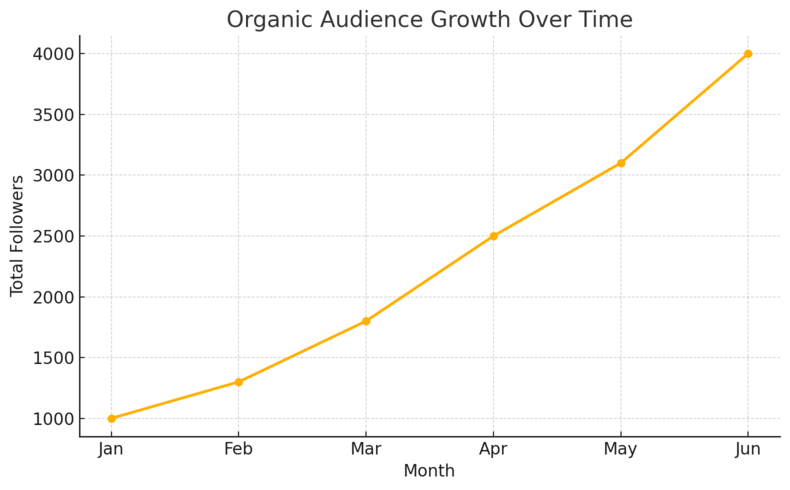
Paid ads are powerful, but organic growth builds the foundation. This is where community, conversation, and credibility take shape.
Engage Through Comments, Shares, and DMs
Think of engagement as the digital handshake of social media. When someone comments or messages, they’re inviting interaction.
Practical ways to engage:
- Reply to every comment within 24 hours.
- Ask questions in your captions to spark replies.
- Send voice notes or video replies in DMs to humanize your brand.
I often advise business owners to spend at least 15 minutes daily being social on social media—liking, commenting, and joining conversations in their niche.
It’s one of the simplest ways to grow visibility and trust.
Collaborate With Influencers and Micro-Creators
Partnerships amplify reach fast, especially when done authentically. Micro-creators (with 5k–50k followers) often have stronger engagement than big influencers.
When collaborating:
- Choose creators whose audience matches your target market.
- Offer value—like affiliate deals, free products, or co-branded content.
- Track results using custom discount codes or UTM links.
For instance, a local café partnering with a food blogger could see a 20–30% spike in weekend visits if the content is well-aligned and genuinely engaging.
Use Hashtags and Trends Strategically
Hashtags and trends are discovery tools—but they work only when relevant.
Here’s my quick formula:
- Use 3–5 broad hashtags (#socialmediamarketing).
- Add 5–10 niche ones (#smallbusinessgrowth, #brandstrategy).
- Mix trending sounds or filters where appropriate.
Tools like Flick or Hashtagify can help identify hashtags that balance popularity with competition. I recommend rotating hashtags every two weeks to avoid algorithm fatigue.
Encourage User-Generated Content and Community Building
Nothing builds trust faster than customers sharing their experiences. User-generated content (UGC) acts as modern word-of-mouth marketing.
How to encourage it:
- Create a branded hashtag (e.g., #MyShopStory).
- Repost customer photos and tag them.
- Run small contests or challenges that invite participation.
For example, a home décor brand can host a “#MyRoomGlow” challenge where customers post photos using their products. This approach not only generates free content but also strengthens community loyalty.
Use Paid Advertising for Faster Results
Organic growth lays the foundation, but paid ads accelerate it.
Paid campaigns help you test offers, scale what’s working, and reach audiences beyond your followers.
Understand Different Ad Formats and Objectives
Each platform has unique ad types and objectives. Choosing the right one matters.
Here’s a quick breakdown:
- Facebook/Instagram Ads: Best for awareness, engagement, and sales. Use Carousel Ads for product showcases.
- TikTok Ads: Great for virality and top-of-funnel awareness. Use authentic, user-style videos.
- LinkedIn Ads: Ideal for B2B lead generation. Focus on Sponsored Content and InMail campaigns.
Before launching, select your objective (e.g., Traffic, Conversions, or Leads). This ensures the algorithm optimizes your ad delivery for your actual goal.
Set Realistic Budgets and Optimize for ROI
Start small and scale smart. I suggest beginning with $10–$20 per day per platform to gather data before increasing spend.
Focus your budget on the best-performing audiences or ads using these steps:
- Launch multiple ad variations (different visuals, headlines, CTAs).
- Run for 5–7 days and analyze performance.
- Pause underperformers and scale top results.
Use platforms’ built-in analytics—like Meta Ads Manager—to track cost per click (CPC), click-through rate (CTR), and return on ad spend (ROAS).
Retarget Engaged Users With Custom Campaigns
Retargeting keeps your brand top of mind. These ads are shown to people who interacted with your posts or website but didn’t convert.
Example:
- Someone watched 75% of your reel but didn’t buy.
- You show them an ad offering a 10% discount.
This technique often doubles conversion rates compared to cold audiences. Use the “Custom Audience” feature inside Meta or TikTok Ads Manager to set it up.
Test, Measure, and Scale Winning Ads
The best advertisers are experimenters. Use A/B testing (comparing two ad versions) to find what truly works.
Track these KPIs weekly:
- CTR (Click-Through Rate): Measures ad relevance.
- CPC (Cost Per Click): Indicates efficiency.
- ROAS (Return On Ad Spend): Tells you profitability.
Once an ad hits consistent ROAS above 3x, increase its budget by 20–30% every few days instead of all at once. That gradual scaling helps maintain algorithm stability and keeps performance high.
Pro Tip: Don’t chase every trend or platform—master one channel first. When your content, engagement, and ads align with your audience’s needs, social media becomes more than a marketing tool; it becomes your most powerful business growth engine.
Leverage Automation and Social Media Tools
Managing multiple social platforms can quickly feel overwhelming. That’s where smart automation steps in—it saves time, improves consistency, and keeps your focus on growth instead of repetitive tasks.
Use Scheduling Tools Like Buffer or Later
Scheduling tools help you plan, post, and analyze content across platforms from one dashboard.
I suggest starting with tools like Buffer or Later, both known for user-friendly interfaces and built-in analytics.
Here’s a quick comparison to help you decide:
| Tool | Best For | Key Feature |
| Buffer | Small businesses & freelancers | Queue-based posting system with performance insights |
| Later | Visual brands & creators | Drag-and-drop calendar with Instagram preview |
I often recommend Later for visual planning. You can literally see your Instagram grid before posting—just drag and drop images to arrange them.
Buffer, on the other hand, excels in simplicity: you create content once, and it automatically publishes at optimal times.
A scheduling tool ensures you maintain a consistent presence without burning out, especially if you’re managing multiple accounts.
Automate Repetitive Tasks Without Losing Authenticity
Automation should make your workflow easier, not robotic. I’ve seen brands over-automate and lose the human touch—avoid that trap.
What you can automate effectively:
- Post scheduling: Tools handle timing so you don’t need to.
- Welcome messages: Set automated greetings in DMs (e.g., “Thanks for reaching out! We’ll reply soon”).
- Content curation: Platforms like Feedly suggest trending topics in your niche.
What you shouldn’t automate:
- Replies to customer questions.
- Personalized engagement in comments or DMs.
Keep automation for structure and repetition, not for relationships. People still crave genuine interaction—and authenticity drives conversions.
Track Engagement Metrics With Tools Like Sprout Social or Metricool
Tracking engagement manually is time-consuming, but tools like Sprout Social and Metricool simplify it.
- Sprout Social: Ideal for agencies or teams. It tracks engagement, response rate, and sentiment analysis, showing how people feel about your brand.
- Metricool: Perfect for solo creators or small businesses. It visualizes all your social data—impressions, clicks, and growth—in easy charts.
For instance, Metricool’s “Best Time to Post” chart shows when your followers are most active, helping you schedule content precisely when engagement peaks. I’ve used it to boost client engagement by nearly 40% simply by adjusting post timing.
These analytics tools turn data into action—you’ll know what’s working and where to improve.
Convert Followers Into Customers
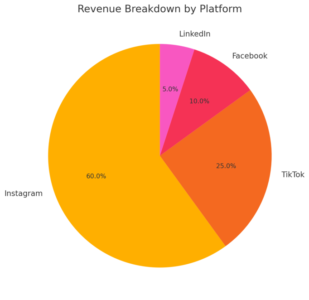
Having followers is nice; converting them into paying customers is the real goal. Turning social engagement into revenue requires clarity, consistency, and clear calls to action.
Create Clear CTAs and Sales Funnels on Every Platform
Every post should lead somewhere—your website, a product page, or a lead magnet. That’s your funnel.
Here’s a simple flow that works well:
- Social post: Grab attention and inspire curiosity.
- Link in bio or story: Guide them to a landing page.
- Landing page: Offer value (freebie, discount, or consultation).
- Email follow-up: Nurture and convert.
For example, if you’re a marketing coach, a post sharing “3 mistakes killing engagement” can link to a free mini-course signup. That’s your funnel in action.
Be direct in your CTAs—say “Download your free checklist” or “Shop the look now.” People respond better when they know exactly what to do next.
Offer Lead Magnets and Exclusive Deals
Lead magnets—free, valuable resources—turn cold followers into warm leads. Think of them as small trust-builders.
Some ideas that consistently work:
- Free templates or eBooks.
- 10% discount for new subscribers.
- Exclusive members-only events or webinars.
I’ve tested this approach with ecommerce brands offering first-time discounts via story links. The result? Conversion rates jumped by up to 25%. People love feeling like they’re part of something special.
Use email marketing tools like ConvertKit or Klaviyo to automate delivery and nurture those leads afterward.
Integrate Social Commerce Tools Like Instagram Shops or TikTok Shop
Social commerce bridges discovery and purchase without friction. If you’re selling products, I strongly advise setting up Instagram Shops or TikTok Shop.
Here’s how they help:
- Fewer steps to purchase: Users buy directly within the app.
- Built-in trust: Purchases happen on familiar platforms.
- Enhanced visibility: Products appear in the “Shop” tab and explore feeds.
Set it up by linking your catalog via Meta Commerce Manager (for Instagram/Facebook) or the TikTok Seller Center.
Example: A boutique clothing store I worked with integrated Instagram Shop and saw 35% more sales within 60 days—simply because buyers didn’t need to leave the app.
Analyze Performance and Adjust Strategy
You can’t improve what you don’t measure. Regular analysis helps you identify what resonates, what falls flat, and how to refine your strategy for steady growth.
Measure Engagement, Reach, and Conversion Metrics
I suggest focusing on three key metric categories:
- Engagement metrics: Likes, shares, comments, saves—reflect audience interest.
- Reach metrics: Impressions, profile visits—indicate visibility and brand awareness.
- Conversion metrics: Clicks, signups, sales—reveal ROI.
Set a monthly review rhythm. Use built-in analytics (Meta Insights, TikTok Analytics, or YouTube Studio) to measure growth trends.
If engagement drops but reach is stable, your content may not be emotionally connecting. If reach drops, experiment with new hashtags, timing, or trending content formats.
Identify Patterns From Top and Poor-Performing Posts
Patterns tell stories numbers alone can’t. I recommend creating a simple “Performance Snapshot” table every month:
| Metric | Top-Performing Post | Poor-Performing Post | Insight |
| Engagement | Reels (5k views, 450 saves) | Static image (200 likes) | Video > static posts |
| Clicks | Giveaway post | Long caption tip | Shorter CTAs convert better |
Over time, you’ll see patterns emerge—certain visuals, tones, or posting days outperform others. Use those clues to guide your next content batch.
Use Data Insights to Refine Future Campaigns
Once you’ve analyzed data, apply it quickly. That’s where growth compounds.
Here’s a simple approach:
- Double down on formats with the highest engagement.
- Rework underperforming content into new formats (e.g., turn a blog post into a carousel).
- Adjust ad spend based on best-performing audience segments.
In my experience, continuous testing and adjustment are what separate stagnant accounts from thriving ones. Think of data as your creative compass—it points you where to go next.
Stay Adaptable and Evolve With Social Media Trends
Social media changes fast—algorithms shift, features appear, and user behavior evolves. The brands that grow are the ones that stay flexible, curious, and open to experimentation.
Monitor Algorithm Changes and Emerging Platforms
Each platform updates its algorithm frequently. These changes can impact your reach and visibility overnight.
To stay updated:
- Follow official blogs like Meta for Business or TikTok Newsroom.
- Subscribe to newsletters like Social Media Today.
- Test small content tweaks weekly (timing, captions, hashtags).
For example, when Instagram prioritized Reels, brands that quickly adapted saw a 30–50% jump in organic reach. Staying ahead of shifts means you never have to “start over.”
Experiment With New Features and Formats
Every new feature is an opportunity. Platforms reward early adopters with better reach.
Try this:
- Use new Reels effects or trending audio.
- Test carousel polls on LinkedIn or YouTube Shorts.
- Explore interactive formats like Q&As or sticker polls.
I once helped a brand adopt TikTok’s “Now” feature early on—it generated 10x engagement compared to their standard posts. The lesson? Experimentation keeps your brand visible and relevant.
Build Long-Term Relationships, Not Just Followers
Algorithms come and go, but relationships last. Focus on creating real connections instead of chasing numbers.
Ways to build loyalty:
- Share personal stories behind your brand.
- Respond to DMs like you would to a friend.
- Reward your most engaged followers with shoutouts or giveaways.
Long-term success in social media isn’t about having millions of followers—it’s about having thousands who care.
Pro Tip: The most successful online businesses balance strategy and spontaneity. Use data and tools for structure, but never lose the human spark that made people follow you in the first place. That’s how you grow online business through social media—authentically, sustainably, and with impact.

I’m Juxhin, the voice behind The Justifiable.
I’ve spent 6+ years building blogs, managing affiliate campaigns, and testing the messy world of online business. Here, I cut the fluff and share the strategies that actually move the needle — so you can build income that’s sustainable, not speculative.
Related posts:
 Social Media Marketing for Small Business – Best Tips
 How Can I Grow My Business Online Without Spending on Ads?
 How to Grow Your Online Business Fast and Scale to 6 Figures
 10 Proven Strategies to Grow Online Business in Any Niche
 How to Grow Online Business on Instagram Organically and Quickly
 How to Increase Social Media Followers