
Table of Contents
Some links on The Justifiable are affiliate links, meaning we may earn a small commission at no extra cost to you. Read full disclaimer.
When people search for sites like doba, they’re usually trying to answer one simple question: what are the best alternatives for finding reliable dropshipping and wholesale suppliers without getting burned.
I’ve put this together specifically for beginners, growing dropshippers, and ecommerce store owners who want dependable supplier platforms that actually scale with their business.
If you’re wondering which sites compare to Doba in terms of product access, supplier quality, pricing, and integrations, this outline answers that directly.
SaleHoo Review: Trusted Wholesale And Dropship Directory
When people compare sites like doba, SaleHoo almost always comes up early, and for good reason. It’s less about automation and more about trust, supplier quality, and long-term wholesale relationships.
Verified Supplier Vetting And Quality Control Standards
One of SaleHoo’s biggest strengths is how aggressively it filters suppliers before listing them. Unlike open marketplaces, suppliers don’t just sign up and start selling.
Here’s what actually happens behind the scenes:
- Manual supplier verification: SaleHoo reviews business licenses, trade history, and customer complaints before approval.
- Ongoing quality monitoring: Suppliers can be removed if they rack up unresolved issues.
- Scam reduction focus: SaleHoo publicly states that fewer than 3% of applicants are accepted.
From my experience, this matters most when you’re new. Beginner dropshippers often lose money not from bad ads, but from unreliable suppliers. SaleHoo reduces that risk significantly.
This makes it especially appealing if you’ve ever dealt with inconsistent suppliers through Doba and want tighter quality control without guessing who to trust.
Dropshipping And Wholesale Product Range Comparison
SaleHoo doesn’t try to be everything at once, and that’s actually a strength.
Instead of millions of random SKUs, you get access to:
- Dropshipping suppliers for common ecommerce niches like home goods, fashion, and electronics
- True wholesale vendors for bulk buying and private resale
- Brand-authorized distributors, which is critical if you plan to sell on Amazon or Walmart
Doba tends to lean more toward pre-built dropshipping catalogs. SaleHoo leans toward supplier discovery. That means more work upfront, but better margins and fewer restrictions long-term.
If you plan to grow beyond basic dropshipping into wholesale or brand partnerships, SaleHoo gives you more room to do that.
Pricing Structure And Membership Cost Breakdown
SaleHoo keeps pricing simple, which I appreciate.
Current structure looks like this:
- Annual membership around $67 per year
- Lifetime access option often priced under $130
- No per-order fees or commissions
Compared to Doba’s monthly plans plus transaction fees, SaleHoo is cheaper over time, especially if you’re serious about building a business instead of testing casually.
One thing to note: you’re paying for access to the directory, not automation. There’s no built-in order syncing or auto-fulfillment.
Best Use Cases Compared To Doba Limitations
SaleHoo shines when:
- You want long-term, reliable suppliers instead of quick product imports
- You’re moving toward wholesale buying or higher-volume selling
- You care more about margins and supplier trust than speed
Doba still works better if you want a plug-and-play dropshipping catalog with minimal setup. But if you’re frustrated by supplier issues or rising fees, SaleHoo feels like a more stable foundation among sites like doba.
Spocket Overview: Fast Shipping US And EU Suppliers
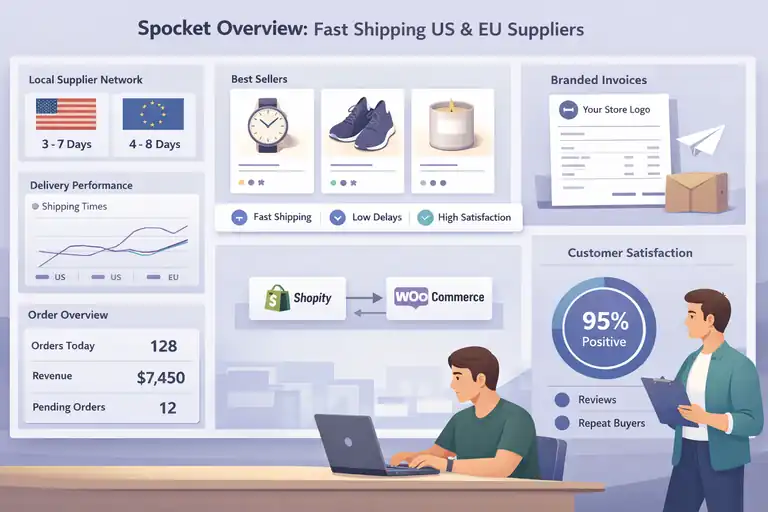
If your biggest complaint with Doba is slow shipping, Spocket immediately feels different. It’s built around local suppliers, not overseas fulfillment delays.
Local Supplier Network And Delivery Speed Advantages
Spocket focuses heavily on US and EU-based suppliers, which changes the customer experience completely.
Typical shipping timelines look like this:
- US suppliers: 3–7 business days
- EU suppliers: 4–8 business days
- Fewer customs delays and tracking issues
From what I’ve seen, faster shipping alone can improve conversion rates by 20–30%, especially for impulse-buy products. Customers trust stores that don’t promise 20-day delivery windows.
This is one area where Spocket clearly outperforms Doba for customer satisfaction.
Branded Invoicing And Customer Experience Features
Spocket does something many supplier platforms ignore: branding details.
Key features include:
- Branded invoices: Your store name and logo instead of the supplier’s
- No third-party branding: Customers never see Spocket or supplier info
- Cleaner unboxing experience: Especially important for repeat buyers
This matters more than people think. Small details like invoices and packaging directly affect refunds, chargebacks, and repeat purchases.
If you’re trying to build a real brand instead of a disposable store, this is a big plus over traditional sites like doba.
Platform Integrations With Shopify And WooCommerce
Spocket integrates deeply with major ecommerce platforms.
You can expect:
- One-click product imports into Shopify
- Automatic order forwarding to suppliers
- Inventory and pricing sync in near real time
- WooCommerce support for WordPress-based stores
Compared to Doba, Spocket’s interface feels faster and more modern. There’s less friction between finding a product and actually selling it.
For solo founders or small teams, that time savings adds up quickly.
When Spocket Works Better Than Traditional Doba Models
Spocket is a better choice when:
- You sell to US or EU customers and shipping speed matters
- You want higher perceived product quality
- You’re focused on customer experience and branding
Doba can still make sense for broad product access, but Spocket wins when speed, trust, and presentation matter more than sheer catalog size.
If your goal is fewer refunds, better reviews, and higher lifetime value, Spocket stands out among modern sites like doba.
Worldwide Brands Directory: Certified Wholesale Suppliers
When people talk about the most established sites like doba, Worldwide Brands usually comes up as the “serious business” option.
It’s not flashy, but it’s built for sellers who care more about legitimacy and long-term stability than quick product uploads.
Strict Supplier Certification And Scam Prevention
Worldwide Brands is known for being extremely strict about who gets listed. This isn’t marketing fluff. They manually verify every supplier before approval.
What that means in real terms:
- Suppliers must be authorized distributors or manufacturers
- No middlemen posing as wholesalers
- No dropshippers pretending to be brands
- Regular audits to remove outdated or problematic vendors
Worldwide Brands claims fewer than 10% of suppliers who apply actually make it into the directory. From what I’ve seen, this dramatically lowers the risk of running into fake suppliers, counterfeit products, or surprise policy violations on platforms like Amazon.
If you’ve ever lost an account because of an unverified supplier, this kind of gatekeeping suddenly feels very comforting.
Long-Term Wholesale Relationships Versus Marketplaces
Worldwide Brands works very differently from Doba and most dropshipping platforms.
Instead of ordering products through a marketplace interface, you:
- Discover certified suppliers
- Contact them directly
- Open wholesale accounts
- Negotiate pricing, minimums, and terms
This approach takes more effort upfront, but it unlocks benefits marketplaces rarely offer:
- Higher margins over time
- Better inventory access during high-demand periods
- Direct communication with suppliers
I usually recommend this model to people who want to move beyond short-term dropshipping and build something defensible. It’s slower, but far more resilient.
Lifetime Access Pricing And Value Assessment
Worldwide Brands uses a one-time payment model, which feels almost old-school now.
Typical pricing:
- Around $299 for lifetime access
- No monthly fees
- No transaction commissions
Compared to Doba’s recurring plans, this can be cheaper after the first year if you actually use it. The key word is use. If you just browse and never contact suppliers, it won’t magically pay for itself.
But if you land even one solid wholesale relationship, that cost disappears fast.
Ideal Business Types Compared To Doba Users
Worldwide Brands works best if:
- You sell on Amazon, Walmart, or eBay
- You want brand-authorized suppliers
- You’re okay with manual outreach and negotiation
Doba fits better for people who want built-in ordering and faster setup. Worldwide Brands is for sellers who think long-term and want fewer platform dependencies.
Among sites like doba, this one is less about convenience and more about credibility.
Modalyst Platform: Curated Dropshipping And Private Label
Modalyst sits in an interesting middle ground between classic dropshipping tools and brand-focused platforms. If Doba feels rigid, Modalyst often feels more flexible and modern.
Curated Supplier Marketplace And Product Quality Focus
Modalyst doesn’t try to overwhelm you with endless products. Instead, it curates suppliers and products with quality in mind.
You’ll mostly find:
- US-based and EU-based suppliers
- Independent brands, not just generic catalogs
- Fashion, lifestyle, beauty, and home products
This curation matters. Lower product counts usually mean higher consistency. In my experience, curated platforms reduce refund rates because product descriptions, images, and expectations line up better.
That alone can save hours of customer support headaches.
Private Label And Brand-Building Opportunities
One area where Modalyst clearly stands out is private label support.
Private label means you sell products under your own brand, even though you didn’t manufacture them.
Modalyst supports this by offering:
- Suppliers open to custom branding
- White-label product options
- Lower minimum order quantities than traditional wholesale
This makes Modalyst attractive if you’re testing brand ideas without committing to large inventory orders.
Doba generally focuses more on reselling existing products. Modalyst gives you more room to experiment with branding early.
Automation Tools And Ecommerce Platform Syncing
Modalyst integrates tightly with ecommerce platforms, especially Shopify.
Key automation features include:
- One-click product imports
- Automatic inventory updates
- Order routing to suppliers
- Price and stock sync
For solo founders, this automation is a big deal. Less manual work means more time spent on marketing and optimization instead of order management.
Compared to Doba’s interface, Modalyst feels lighter and easier to move around in.
Comparing Modalyst Flexibility Against Doba Constraints
Modalyst tends to work better when:
- You want curated products instead of massive catalogs
- Branding and presentation matter to you
- You plan to evolve beyond basic dropshipping
Doba still has value for broad supplier access, but Modalyst offers more creative freedom. If Doba feels like a catalog tool, Modalyst feels more like a brand-building platform.
For many modern store owners comparing sites like doba, that flexibility is the deciding factor.
CJdropshipping Solution: Sourcing Automation And Fulfillment
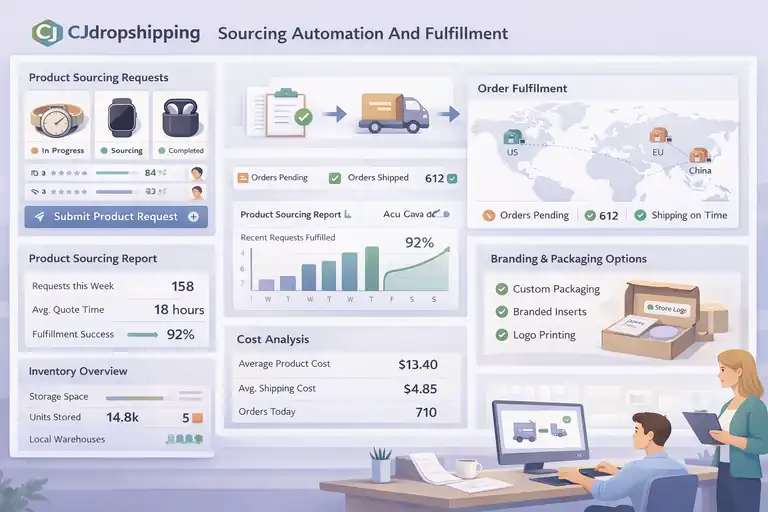
CJdropshipping is often mentioned alongside sites like doba, but it operates very differently once you actually use it. It’s less of a directory and more of an end-to-end operations platform that handles sourcing, storage, and shipping in one place.
Product Sourcing Services And Custom Supplier Requests
CJdropshipping’s biggest advantage is its sourcing service. Instead of picking only from a fixed catalog, you can request products directly.
Here’s how this usually works in practice:
- You submit a product link or idea
- CJ’s sourcing team finds manufacturers
- You get price quotes, shipping options, and sample availability
This is huge if you’re running ads and need a product tweak fast. I’ve used this approach to source variations that weren’t publicly listed, which helped differentiate stores without reinventing the wheel.
Compared to Doba’s pre-listed supplier model, CJ feels more flexible and responsive, especially when trends move quickly.
Warehousing And Global Fulfillment Capabilities
CJdropshipping operates multiple warehouses worldwide, including the US, Europe, and Asia.
What that means for you:
- Faster delivery when inventory is pre-stocked locally
- Lower shipping costs compared to international-only fulfillment
- More consistent tracking updates for customers
CJ reports that local warehouse shipping can cut delivery times by up to 60%. That difference alone can reduce refunds and chargebacks.
Doba relies more heavily on individual supplier logistics, which can vary wildly. CJ’s centralized system feels more predictable once you scale.
Branding Options Including Packaging And Inserts
CJ supports several branding options that many beginners overlook.
These include:
- Custom packaging
- Branded inserts and thank-you cards
- Logo printing on select products
This is where CJ quietly pulls ahead. Even simple inserts can increase repeat purchase rates. I’ve seen stores get follow-up sales just because customers felt the brand was more “real.”
Doba offers limited branding flexibility, depending heavily on individual suppliers.
Cost Transparency Compared To Doba Supplier Fees
CJdropshipping does not charge a monthly subscription for basic use. Instead, costs are baked into:
- Product pricing
- Shipping fees
- Optional branding services
Here’s a simple comparison:
| Platform | Monthly Fee | Product Cost Transparency | Branding Costs |
| CJdropshipping | $0 | High | Optional, clear |
| Doba | Paid plans | Medium | Supplier-dependent |
If you like seeing costs upfront per order rather than paying platform fees, CJ often feels more straightforward among sites like doba.
Wholesale Central Directory: Free Access Wholesale Suppliers
Wholesale Central is one of the oldest supplier directories around, and it’s completely free. That alone makes it stand out when comparing sites like doba.
Directory-Only Model And Supplier Discovery Process
Wholesale Central is exactly what it sounds like: a directory.
There’s no automation, no order routing, and no inventory syncing. You:
- Search for suppliers by category
- Review listings manually
- Contact suppliers directly
This simplicity is both its strength and its weakness. There’s no learning curve, but there’s also no safety net.
I usually recommend it to people who already understand wholesale basics and don’t need hand-holding.
Wholesale Versus Dropshipping Supplier Differences
Wholesale Central focuses much more on true wholesale than dropshipping.
Key differences you’ll notice:
- Many suppliers require minimum order quantities
- Bulk pricing is common
- Dropshipping availability varies by supplier
This matters because wholesale suppliers usually offer better margins but require more upfront investment. Doba leans more toward dropshipping-first convenience.
Knowing which model you want upfront saves a lot of frustration.
Pros And Cons Of Manual Outreach Without Automation
Manual outreach means emailing, calling, and negotiating yourself.
Pros:
- Better pricing control
- Direct supplier relationships
- More room for negotiation
Cons:
- Time-consuming setup
- No built-in order management
- Higher chance of rejection early on
From my experience, this approach works best if you’re patient and organized. It’s not beginner-friendly, but it’s powerful once you know what to ask for.
When Wholesale Central Beats Paid Sites Like Doba
Wholesale Central makes sense when:
- You’re on a tight budget
- You want direct supplier relationships
- You plan to buy in bulk or scale wholesale
Doba is easier and faster. Wholesale Central is slower but cheaper. If you’re willing to trade time for savings, it can outperform paid platforms in the long run.
Among sites like doba, Wholesale Central feels old-school, but sometimes old-school works just fine.
Inventory Source Platform: Automation For Supplier Syncing
Inventory Source is one of those sites like doba that doesn’t get much hype, but quietly solves a very real scaling problem: supplier data chaos.
If you’ve ever dealt with overselling, out-of-stock refunds, or manual CSV uploads, this platform is built for that exact pain.
Real-Time Inventory Sync And Order Automation
Inventory Source focuses heavily on automation, especially around inventory updates.
In plain language, real-time inventory sync means supplier stock levels update automatically in your store. When a product sells out at the supplier, it updates before you oversell it.
Key automation features include:
- Automatic inventory quantity updates
- Price change syncing from suppliers
- Automated order routing to suppliers
- Tracking number updates back into your store
Inventory Source claims sellers can reduce overselling incidents by over 90%. From what I’ve seen, that’s realistic once everything is configured correctly.
Doba offers automation, but Inventory Source goes deeper into inventory accuracy rather than catalog convenience.
Supplier Network Coverage And Supported Niches
Inventory Source supports hundreds of suppliers, though it’s not as flashy as large dropshipping marketplaces.
You’ll find strong coverage in:
- Home and garden
- Electronics and accessories
- Apparel and accessories
- Pet products
- Health and wellness
One thing I appreciate is transparency. Each supplier listing clearly shows whether they support dropshipping, wholesale, or both. That clarity saves time when evaluating fit.
This platform works best if you already know your niche and care more about operational stability than browsing endless products.
Integration Depth With Major Ecommerce Platforms
Inventory Source integrates deeply with major ecommerce platforms.
Supported platforms include:
- Shopify
- WooCommerce
- BigCommerce
- Adobe Commerce
- Amazon and eBay (via specific plans)
The difference here is depth. Instead of basic imports, Inventory Source handles continuous data syncing. That’s a big upgrade if you’re managing thousands of SKUs.
Compared to Doba’s workflow, Inventory Source feels more technical but far more scalable.
Advanced Automation Benefits Over Doba Workflows
Inventory Source shines once volume increases.
It works better than Doba when:
- You manage multiple suppliers
- Inventory accuracy matters more than speed
- You want fewer customer service fires
Doba is easier to start with. Inventory Source is better once you’re tired of fixing mistakes manually.
Among sites like doba, this one is less beginner-friendly, but extremely powerful for growth-focused sellers.
GreenDropShip Network: Grocery And Natural Product Wholesalers
GreenDropShip fills a very specific gap that most sites like doba completely ignore. It focuses almost entirely on grocery, natural, and organic products.
Specialized Focus On Natural And Organic Products
GreenDropShip specializes in categories that are notoriously difficult to source safely.
These include:
- Natural and organic groceries
- Supplements and wellness products
- Eco-friendly household items
- Specialty food brands
This focus matters because grocery and consumables come with stricter rules, expiration concerns, and supplier requirements.
Instead of generic listings, GreenDropShip offers products already aligned with retail compliance standards, which lowers risk significantly.
Authorized Brand Access And Retail Compliance
One of GreenDropShip’s biggest strengths is authorized brand access.
This means:
- Suppliers are approved to sell branded products
- You reduce the risk of counterfeit claims
- You’re less likely to face marketplace takedowns
For Amazon sellers, this is huge. Unauthorized grocery listings are a fast way to get suspended.
GreenDropShip works with recognizable brands, which builds instant trust with customers.
Membership Costs And Margin Expectations
GreenDropShip uses a paid membership model.
Typical structure includes:
- Monthly plans starting around $149
- No per-order commissions
- Product costs vary by brand
Margins in grocery are usually thinner, often 15–30%, but volume and repeat purchases can offset that.
If you’re expecting luxury margins, this isn’t the niche. If you want stability and repeat buyers, it can work very well.
Niche Suitability Compared To General Sites Like Doba
GreenDropShip makes sense if:
- You sell consumables or wellness products
- You want authorized suppliers
- You care about compliance and trust
Doba is broader and more flexible. GreenDropShip is narrower but safer.
Among sites like doba, this one is niche-specific, and that’s exactly why it works for the right seller.
FAQ
What are the best sites like Doba for dropshipping and wholesale?
The best sites like doba include SaleHoo for verified suppliers, Spocket for fast US and EU shipping, CJdropshipping for sourcing and fulfillment, Worldwide Brands for certified wholesale vendors, and Inventory Source for advanced automation. Each platform fits a different business goal, from beginner-friendly dropshipping to long-term wholesale scaling.
Are sites like Doba good for beginners starting dropshipping?
Yes, many sites like doba are beginner-friendly, especially platforms such as Spocket and CJdropshipping that offer product import, order automation, and supplier support. Beginners should focus on tools with faster shipping, clear pricing, and low setup complexity to avoid early mistakes.
Which sites like Doba work best for wholesale instead of dropshipping?
For wholesale-focused sellers, Worldwide Brands and Wholesale Central work better than Doba. These platforms emphasize direct supplier relationships, brand authorization, and bulk purchasing, which usually leads to higher margins and more stable long-term businesses.

I’m Juxhin, the voice behind The Justifiable.
I’ve spent 6+ years building blogs, managing affiliate campaigns, and testing the messy world of online business. Here, I cut the fluff and share the strategies that actually move the needle — so you can build income that’s sustainable, not speculative.
Related posts:
 How the Salehoo App Works and Why It Speeds Up Product Research
 Salehoo Pricing Explained: What You Actually Get for Your Money
 Is SaleHoo Legit? What Real Sellers Actually Discover
 Doba Wholesale Pricing, Access, and Product Quality Breakdown
 Viral Launch Chrome Extension: The Ultimate Tool for Sellers
 Salehoo Directory Free: What You Can Access Without Paying