
Table of Contents
Some links on The Justifiable are affiliate links, meaning we may earn a small commission at no extra cost to you. Read full disclaimer.
Freelance technical writing can be one of the most lucrative and flexible paths for skilled communicators who love explaining complex ideas clearly.
But how do you actually break into it—and more importantly, how do you land high-paying technical writing work consistently?
Whether you’re a writer looking to specialize or a tech professional ready to monetize your expertise, this guide will show you exactly how to position yourself, find the right clients, and build a reputation that attracts premium rates.
Understanding What Freelance Technical Writing Involves
Freelance technical writing combines communication, technology, and storytelling to help readers understand complex topics easily.
It’s less about “sounding smart” and more about translating jargon into clarity.
Defining The Role Of A Freelance Technical Writer
A freelance technical writer creates documentation that simplifies technical information for specific audiences.
This includes user manuals, API documentation, whitepapers, product guides, and process documentation. Essentially, you become the bridge between engineers, developers, and end-users.
You might, for example, take a 20-page developer brief for a SaaS platform and turn it into a simple “Getting Started” guide for customers.
The best writers make the complex look effortless—translating dense material into practical content that helps users take action.
What this role often includes:
- Writing product documentation and support content
- Collaborating with developers or product teams to ensure accuracy
- Editing existing content for clarity and tone
- Creating structured documentation using tools like Markdown, Confluence, or Notion
Key Industries That Hire Technical Writers
Technical writers are in demand across sectors where precision and clarity are critical. From what I’ve seen, these are the top industries that consistently hire freelancers:
- Software and IT: Writing API docs, tutorials, release notes.
- Healthcare and Pharma: Creating manuals, regulatory documents, or patient information leaflets.
- Engineering and Manufacturing: Writing assembly instructions or system process guides.
- Finance and Fintech: Producing compliance documentation and platform guides.
- Cybersecurity: Simplifying complex security protocols for non-technical users.
I suggest exploring industries you already understand. If you’ve worked in tech support, SaaS, or even marketing, that experience gives you an edge.
Common Types Of Technical Writing Projects
Freelancers often juggle multiple project types. You could be documenting APIs one week and creating UX copy the next.
Here are a few common examples:
- User manuals and product guides for physical or digital products.
- API documentation explaining endpoints, parameters, and examples for developers.
- Knowledge base articles for customer support platforms like Zendesk or HelpScout.
- Standard Operating Procedures (SOPs) for internal business workflows.
- Technical whitepapers that explain complex tech concepts for B2B audiences.
Each project requires a slightly different tone and format. For example, API docs demand precision, while UX writing requires empathy and brevity.
Required Skills And Qualifications For Success
While you don’t need a formal degree in technical writing, a mix of writing, research, and technical aptitude is essential.
Core skills include:
- Writing clarity: You should explain technical information in plain language.
- Research ability: You must grasp new technologies quickly.
- Attention to detail: Accuracy builds trust.
- Familiarity with tools: Learn documentation tools like GitHub, Notion, MadCap Flare, and Markdown editors.
- Version control: Knowing how to work with Git or Bitbucket helps when collaborating with dev teams.
I believe curiosity is your best asset. A technical writer who asks good questions often produces better documentation than one who assumes understanding.
Building A Strong Technical Writing Portfolio
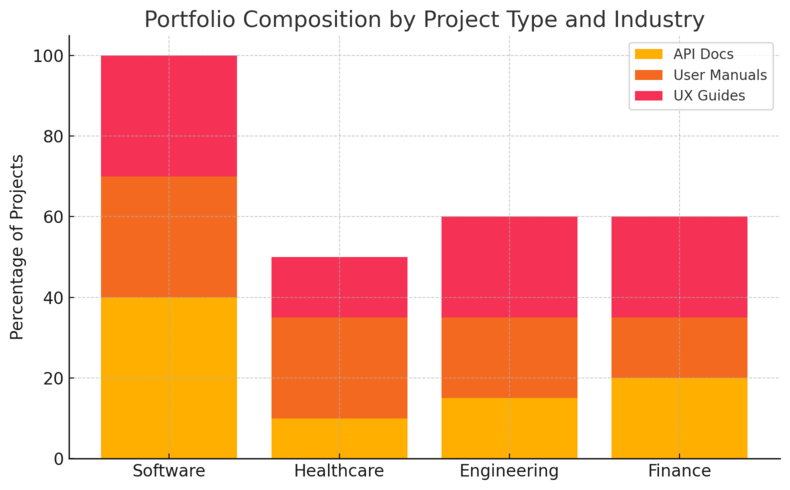
Your portfolio is your ticket to credibility—it shows clients what you can do and how you think. The goal isn’t to showcase quantity, but clarity, structure, and domain understanding.
How To Create Portfolio Samples Without Experience
If you’re just starting, you don’t need real client work to build a portfolio. Create mock samples based on existing documentation or products.
Here’s how:
- Pick a product or tool you use daily (like Slack or Notion).
- Write a user guide or how-to tutorial explaining one specific feature.
- Format it using simple tools like Google Docs or GitHub Pages to look professional.
For instance, write “How to Create an Automation in Notion” with screenshots and step-by-step clarity. This proves you can explain complex workflows—a skill every client values.
Showcasing Industry-Specific Expertise In Your Samples
Clients love seeing samples that speak their language. If you’re targeting fintech, show a guide explaining “How a Digital Wallet API Works.” If it’s healthcare, write documentation for a mock patient portal.
You can even repurpose real-life experience. Let’s say you worked as a project manager. Turn that into a portfolio piece showing an internal SOP you’ve written for team onboarding.
Tip: Include 3–5 diverse samples, each focused on a different document type or industry.
Using Case Studies To Demonstrate Writing Impact
Case studies go beyond “what you wrote” and show “what it achieved.” This builds authority fast.
Here’s how you can structure one:
- Problem: Describe the issue (e.g., confusing API docs leading to developer complaints).
- Solution: Explain your approach (rewrote the documentation with examples).
- Result: Share outcomes (reduced support tickets by 30%).
If you don’t have results yet, show your process—how you research, interview experts, and test clarity. That alone demonstrates professionalism.
Best Platforms To Host And Share Your Portfolio
Visibility matters. Hosting your work in the right place makes you easier to find and hire.
Recommended platforms:
- GitHub: Great for API and software documentation samples.
- Notion: Clean, easy to organize, and interactive for clients to browse.
- WordPress or Webflow: Perfect if you want a branded website.
- Contently or Clarity.fm: Ideal for writers who prefer a platform-based showcase.
I suggest keeping your portfolio simple and readable. Avoid flashy visuals—your words and structure should do the selling.
Choosing The Right Technical Writing Niche
Choosing a niche is one of the fastest ways to increase your rates and attract serious clients. When you specialize, you’re seen as an expert rather than a generalist writer.
How To Identify Your Strengths And Industry Knowledge
Start by assessing what you already know. Have you worked in IT, education, or SaaS? These fields give you insider knowledge that translates beautifully into technical writing.
You can ask yourself:
- What topics do I explain most confidently?
- Which industries do I understand naturally?
- Where have I already solved complex communication problems?
If you can confidently document a product you use daily—like Asana, Zapier, or HubSpot—that’s your starting point.
Profitable Niches In Freelance Technical Writing
Certain niches consistently pay more due to complexity and demand. From what I’ve seen, these are top-tier niches worth exploring:
- Software and SaaS Documentation (APIs, product manuals, onboarding content)
- Fintech and Blockchain (regulatory writing, product explainers)
- Cybersecurity (best-practice documentation and compliance materials)
- AI and Machine Learning (technical whitepapers, data flow documentation)
- Healthcare Tech (HIPAA-compliant guides, medical system manuals)
Clients in these spaces pay higher rates because accuracy is mission-critical.
Balancing Passion With Market Demand
It’s tempting to pick a niche purely based on interest—but income often follows where demand is strongest.
If you’re passionate about AI, but there’s more consistent work in SaaS, blend both: focus on writing SaaS documentation for AI-powered tools.
The sweet spot lies where your curiosity meets market need. I always recommend writing for industries you’re genuinely curious about—it keeps the work engaging long term.
How Niching Down Increases Your Earning Potential
When you specialize, clients see you as a solution, not a commodity. Instead of competing on price, you compete on expertise.
For example, a general writer might charge $0.20 per word. But a cybersecurity documentation specialist could charge $100–$150 per hour. Why? Because clients trust specialists to “get it right” faster and with less supervision.
Niching also helps your marketing. It makes it easier to write targeted pitches, tailor your portfolio, and build authority on platforms like LinkedIn and Medium.
Pro tip: Position yourself around a single core value—clarity in complexity. No matter your niche, that’s what clients truly pay for.
Setting Up Your Freelance Business For Success
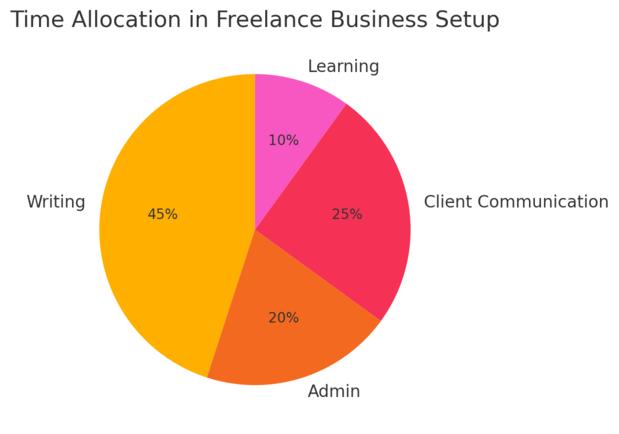
Before you can land high-paying freelance technical writing work, you need a solid business foundation.
Think of it as setting up your “freelance infrastructure”—the systems, tools, and branding that help clients see you as a pro from day one.
Legal And Financial Basics Every Freelancer Should Know
Treat your writing like a real business, not just a side gig. I’ve learned this the hard way—structure protects you, saves time, and builds client confidence.
Here’s what you need to cover early:
- Business registration: Set up as an LLC or sole proprietorship (depending on your country). An LLC can help protect your personal assets if disputes ever arise.
- Contracts: Always use written agreements. Tools like Dropbox Sign or Bonsai make it easy to create and sign contracts that outline scope, payment, and deadlines.
- Taxes: Keep separate bank accounts for your freelance income. Use tools like QuickBooks or Wave for simple bookkeeping and expense tracking.
- Invoicing: Clients expect professionalism. PayPal Business, Wise, or FreshBooks can automate recurring invoices and track payments globally.
Think of these basics as your “operating system.” Once they’re in place, you can focus fully on writing and growing.
Creating A Professional Online Presence
Clients want to see proof that you’re legitimate and experienced. Your online presence does that work before you even speak to them.
Start with three essentials:
- Website or portfolio hub: Host samples, testimonials, and your contact details. Keep it clean and easy to navigate. Platforms like WordPress, Webflow, or Notion work perfectly.
- Consistent branding: Use a clean headshot, a professional email (avoid Gmail if possible), and a unified tone across all platforms.
- Clear positioning: Use your homepage headline to define your niche—for example: “I help SaaS companies create clear, user-friendly documentation that reduces support tickets.”
Your website doesn’t need to be flashy. Simplicity and clarity always win over complexity.
Building Credibility With A Strong LinkedIn Profile
LinkedIn is your digital storefront. Many clients browse there before sending a single email.
Here’s how to make it stand out:
- Optimize your headline: Go beyond “Freelance Technical Writer.” Try something like, “Technical Writer Helping B2B SaaS Teams Create Scalable Documentation.”
- Add portfolio links: Use the “Featured” section to showcase your best samples or case studies.
- Engage with your niche: Comment thoughtfully on posts from product managers, developers, or tech leaders. Visibility builds trust.
- Ask for recommendations: After completing a project, politely request client endorsements—they act as social proof that you’re worth the rate you charge.
I suggest treating LinkedIn like your living resume—it’s the first place serious clients look.
Tools To Streamline Project Management And Communication
As your workload grows, staying organized matters more than ever. I recommend using tools that simplify collaboration without overwhelming you.
For project management:
- Trello – track client tasks, milestones, and deadlines visually.
- ClickUp – great if you manage multiple clients and projects simultaneously.
For communication:
- Slack – perfect for ongoing client updates and feedback.
- Zoom – ideal for kickoff calls and check-ins.
For file sharing and collaboration:
- Google Drive – centralize drafts, revisions, and resources.
- Grammarly or Quillbot – polish your writing before delivery.
Efficient systems show professionalism—and that’s what separates freelancers from trusted partners.
Finding High-Paying Freelance Technical Writing Jobs
Once your business is set up, the next challenge is finding consistent, high-paying work.
The goal isn’t just getting gigs—it’s building relationships that lead to repeat business.
Best Job Boards And Platforms For Technical Writers
Not all job boards are created equal. Some are great for beginners, while others cater to experienced technical writers.
Recommended platforms:
- We Work Remotely – often lists well-paid SaaS and software writing jobs.
- Who’s Hiring Tech Writers? – a niche newsletter curating real technical writing openings.
- ProBlogger – sometimes features technical writing gigs for content-driven companies.
- Upwork – competitive but great for beginners to gain testimonials. Focus on specialized proposals.
- LinkedIn Jobs – excellent for finding contract or long-term technical documentation roles.
When you apply, tailor your pitch to the specific project. Avoid sending generic proposals—it signals inexperience.
How To Pitch Clients Directly And Stand Out
Direct outreach often leads to higher-paying work than job boards. The trick is to position yourself as a solution, not just another freelancer.
Effective direct pitch framework:
- Start with a compliment or insight: “I noticed your documentation lacks beginner tutorials—adding these could help reduce support requests.”
- Offer a relevant solution: “I specialize in creating developer-friendly API documentation for SaaS platforms.”
- End with an easy next step: “Would you be open to a quick chat to discuss what you need?”
Personalization is everything. Reference their product or a specific issue—it shows initiative.
Networking Strategies To Access Hidden Opportunities
The best freelance jobs aren’t always posted—they’re shared through trust and connection.
Here’s how to tap into that hidden market:
- Join technical writing communities like Write the Docs or Tech Writers Without Borders.
- Attend virtual product or dev events—network quietly in chat discussions.
- Build visibility on LinkedIn by sharing short posts or “how I solved this” threads.
I’ve found that 70% of high-paying gigs come through relationships, not listings. Stay curious, visible, and helpful online.
Working With Agencies Versus Independent Clients
Both paths work—but they serve different goals.
Agencies:
- Offer stable work and less client hunting.
- Lower pay, but predictable income.
- Great for gaining experience and learning documentation workflows.
Independent clients:
- Usually higher pay and direct communication.
- You control scope, pricing, and process.
- Requires more self-marketing and client management.
I suggest starting with a mix. Agencies give stability, while direct clients build your independence and reputation.
Crafting Proposals That Win Lucrative Contracts
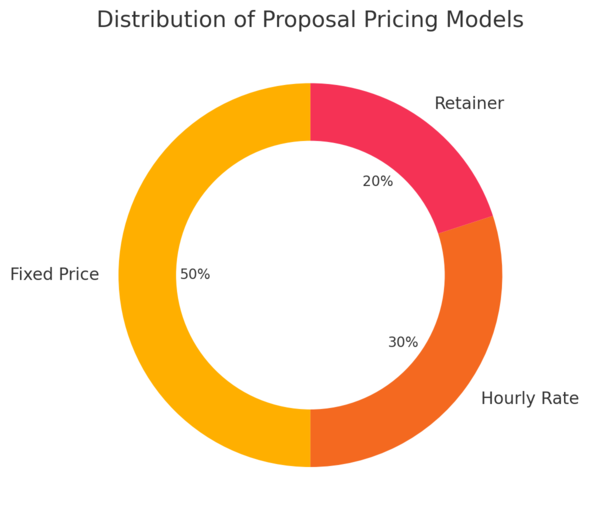
Winning high-paying projects depends on how you communicate your value. A proposal isn’t just a quote—it’s your first impression of professionalism and clarity.
Writing Client-Focused Proposals That Convert
Clients want to see that you understand their problem. Focus less on your background and more on what they’ll gain.
Structure your proposal like this:
- Intro: Acknowledge their pain point or project need.
- Approach: Explain how you’ll solve it in clear, step-by-step terms.
- Timeline and deliverables: Specify what they’ll receive and when.
- Next steps: Make it easy for them to say yes.
For example, “I can deliver a complete set of API documentation, including example requests and response structures, within 10 business days.” This clarity builds trust fast.
Pricing Strategies For High-Paying Projects
Charging high rates starts with confidence—and a structured pricing model.
Options include:
- Per-project pricing: Ideal for clear deliverables like whitepapers or manuals.
- Hourly rates: Best when scope is uncertain. Technical writers often charge $75–$150/hour.
- Retainers: Perfect for ongoing content or documentation updates.
I recommend per-project pricing for most freelance writers—it’s simpler for clients and rewards efficiency.
Common Mistakes To Avoid When Pitching
Even skilled writers lose deals over small errors.
Avoid these pitfalls:
- Writing vague proposals with no timeline or deliverables.
- Undervaluing your work due to imposter syndrome.
- Overloading clients with jargon instead of clear value.
- Forgetting to follow up after sending the proposal.
Always review your proposals as if you’re the client reading them. Would you trust this person with your product?
Negotiation Tactics To Raise Your Rates With Confidence
Negotiation isn’t about confrontation—it’s about communicating value.
Here’s how I handle it:
- Anchor high: Start with a slightly higher rate than your minimum. Clients often negotiate down.
- Justify your value: Explain how your work saves time, reduces support load, or improves user experience.
- Stay silent after quoting: Let them process before you counteroffer.
Example: If a client offers $1,000, respond with, “Based on the complexity of your platform and documentation scope, my typical rate for this work is $1,500. I can also include a simplified version for new users.” That small framing difference positions you as a strategic partner, not a vendor.
Improving Your Technical Writing Skills Continuously
Freelance technical writing isn’t something you master once—it’s a craft that grows sharper with every project.
The best technical writers treat learning like part of their job description.
How To Stay Updated With Industry Trends And Tools
The tech world evolves fast. What’s relevant this year might be obsolete next year.
I suggest scheduling a bit of “learning time” each week to explore updates in both writing tools and industry standards.
Practical ways to stay current:
- Follow technical writing communities: Join groups like Write the Docs or TechComm on Reddit for real discussions about challenges and updates.
- Subscribe to niche newsletters: For instance, The Good Docs Project and Technical Writing World curate insights and new tools.
- Experiment with documentation tools: Try platforms like Confluence, ReadMe, or Docusaurus. Each helps you understand how modern companies structure content.
Here’s an example: if you’re documenting APIs, spend time learning Swagger (OpenAPI)—it’s the industry standard for interactive API documentation. Being familiar with it instantly boosts your credibility.
The Role Of Technical Certifications And Courses
While not mandatory, certifications can fast-track your confidence and help justify higher rates.
Courses and programs worth exploring:
- Google Technical Writing Course – free and focused on core writing and structure.
- Society for Technical Communication (STC) – offers professional certifications that show commitment.
- Udemy or Coursera – practical courses that cover tools like MadCap Flare or GitHub Docs.
I advise focusing on courses that sharpen both writing and technical understanding. A certificate helps, but clients care most about how clearly you can explain complex concepts.
Learning From Style Guides And Documentation Standards
A good technical writer is obsessed with consistency. That’s why style guides are gold—they help you sound professional and unified across projects.
Commonly used style guides:
- Microsoft Writing Style Guide – ideal for software documentation.
- Google Developer Documentation Style Guide – great for API and dev-oriented writing.
- IBM Style Guide – perfect for enterprise-level documentation.
You can even create your own mini style guide for recurring clients. For example, define whether they prefer “email” or “e-mail,” or how to format code snippets. Clients appreciate writers who care about consistency—it saves them editing time.
How To Leverage AI Tools To Boost Efficiency And Quality
AI is becoming a technical writer’s best assistant when used wisely. Tools like Grammarly and ChatGPT can help speed up editing, brainstorming, or simplifying jargon.
How I use AI in my workflow:
- Drafting outlines or structure ideas before writing.
- Rephrasing technical definitions into plain English.
- Checking grammar, readability, and tone consistency.
But never rely on AI for final drafts. Always verify technical accuracy with engineers or documentation sources. Think of AI as your co-pilot, not your replacement.
Managing Client Relationships Professionally
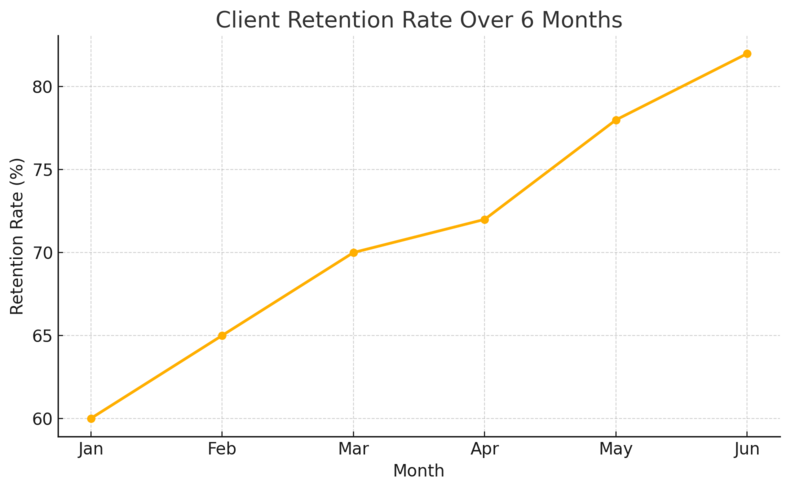
The best freelancers aren’t just skilled writers—they’re dependable partners. Managing relationships well means smoother projects and repeat work.
Setting Clear Expectations From The Start
Before typing a word, make sure both you and your client understand the scope. I recommend sending a simple one-page project brief outlining:
- Deliverables (what you’ll provide)
- Timelines (when they’ll get it)
- Revision policy (how many rounds are included)
- Payment terms
A clear start avoids messy misunderstandings later. You can use tools like Notion templates or Google Docs to organize this.
Communicating Effectively Throughout Projects
Strong communication builds trust faster than great writing. Keep clients in the loop with short, focused updates.
Tips for smooth communication:
- Send weekly progress emails.
- Use Slack or email threads for structured discussions.
- Summarize decisions after meetings to confirm alignment.
For instance, after a call, you could send: “To confirm, I’ll deliver the API setup section by Wednesday, and you’ll provide endpoint details by Tuesday.” This small habit prevents confusion.
Handling Revisions And Feedback Gracefully
Revisions aren’t personal—they’re part of collaboration. Treat feedback as data, not criticism.
Here’s how I approach it:
- Review comments calmly and identify valid points.
- Ask clarifying questions if something’s unclear.
- Implement revisions efficiently while maintaining your voice.
If feedback conflicts, suggest compromises. Saying “I recommend keeping this section for clarity, but I can simplify the tone” shows professionalism and flexibility.
Turning One-Time Clients Into Long-Term Partnerships
Repeat clients are where real freelance stability comes from. Once you deliver excellent work, nurture that relationship.
Simple ways to do this:
- Send a thank-you email after completing a project.
- Offer a small discount or added value for future work.
- Suggest follow-up projects (like updating docs quarterly).
I’ve noticed that most long-term clients come from simply being reliable—meeting deadlines, communicating clearly, and caring about their success.
Scaling Your Freelance Technical Writing Career
Once you’re comfortable with steady projects, it’s time to think bigger—raising rates, refining your niche, or scaling your business into something sustainable.
When And How To Raise Your Rates Strategically
You should raise your rates when you consistently deliver quality work and have more demand than time.
How to approach it tactfully:
- Notify clients in advance (2–3 weeks).
- Justify the increase with value: “Since starting, I’ve expanded my skill set to include API structuring and UX documentation.”
- Raise rates by 10–25%, depending on your experience level.
Many freelancers fear losing clients, but serious clients value quality over price. Those who leave often make room for better ones.
Transitioning From Freelancer To Consultant Or Agency
As you grow, you may outgrow the “solo freelancer” model. Turning your skill into a consulting or small agency setup can multiply income.
Transition tips:
- Package your services (e.g., “Full Documentation Overhaul for SaaS Companies”).
- Hire subcontractors for editing or formatting.
- Offer audits and training for internal writing teams.
This evolution positions you as a strategic partner rather than a deliverable-based writer.
Building A Personal Brand To Attract Premium Clients
Your personal brand is how people remember you—and how premium clients find you.
Start small:
- Write short LinkedIn posts sharing lessons from projects.
- Publish how-to guides on Medium or your own blog.
- Speak at webinars or podcasts about documentation best practices.
Clients notice writers who teach others. Sharing knowledge is subtle marketing that builds authority.
How To Diversify Income With Courses, Ebooks, Or Mentorship
Once you’ve built credibility, monetizing your expertise beyond client work adds stability.
You could:
- Create a technical writing course on platforms like Skillshare or Teachable.
- Write an ebook on “Structuring API Documentation for Developers.”
- Offer mentorship to new freelancers via Clarity.fm or private coaching calls.
Diversifying helps you weather slow seasons and positions you as an expert in your field.
Pro Tips For Landing And Retaining High-Paying Clients
Landing top-tier clients isn’t luck—it’s strategy, consistency, and professionalism.
How To Position Yourself As A Specialist, Not A Generalist
High-paying clients look for specialists who solve specific problems. Instead of saying “I’m a technical writer,” say “I help SaaS startups create developer-friendly documentation that reduces onboarding time.”
That shift in language changes how people perceive your value. I recommend tailoring your website, LinkedIn bio, and portfolio around one specialty—this attracts the right clients effortlessly.
Creating Value Beyond Writing To Increase Your Worth
The best freelancers don’t just write—they think strategically.
Here’s how to add value:
- Audit existing documentation and suggest improvements.
- Offer UX feedback for clarity.
- Create templates or frameworks clients can reuse.
When you think like a partner instead of a writer, clients are happy to pay more.
Using Testimonials And Referrals To Build Authority
Social proof matters. Clients trust other clients.
Simple system for gathering testimonials:
- After a project, ask: “Would you mind sharing a few words about your experience?”
- Use snippets in your proposals and portfolio.
- Encourage referrals by offering a small bonus or credit for new introductions.
Even two strong testimonials can triple your conversion rate.
Adopting A Long-Term Mindset For Career Growth
Freelance success isn’t about quick wins—it’s about building a reputation that compounds over time.
Stay consistent. Keep improving your craft, treat clients like partners, and always deliver your best work. The longer you stay in the game, the easier high-paying projects become.
As I see it, freelance technical writing is one of the few careers where skill, curiosity, and professionalism directly translate into income. Keep learning, keep adapting, and your career will naturally scale with you.

I’m Juxhin, the voice behind The Justifiable.
I’ve spent 6+ years building blogs, managing affiliate campaigns, and testing the messy world of online business. Here, I cut the fluff and share the strategies that actually move the needle — so you can build income that’s sustainable, not speculative.
Related posts:
 Freelance Jobs To Do From Home: Earn a Solid Income
 Python Freelance Jobs Where to Land High-Paying Projects
 Freelance Developer: How to Find the Perfect Fit for Your Project
 WordPress Freelancer: How to Hire Experts Without Overpaying
 Upwork Freelancer Tips to Avoid Scams and Wasted Money
 Freelance Data Entry Jobs You Can Start From Home Today