
Table of Contents
Some links on The Justifiable are affiliate links, meaning we may earn a small commission at no extra cost to you. Read full disclaimer.
Starting a dropshipping startup from scratch can feel both exciting and overwhelming. You don’t need a warehouse, a huge budget, or even a big team—but you do need strategy, patience, and a clear roadmap.
Many people dive in without knowing where to begin or how to avoid common pitfalls. So, how exactly do you turn a simple product idea into a thriving online business that sells 24/7?
Let’s break down each step to help you launch your dropshipping startup the right way—from concept to first sale.
Understanding the Basics of a Dropshipping Startup
Starting a dropshipping startup is about selling products without holding any inventory yourself. You list items in your online store, customers buy them, and your supplier ships them directly.
It sounds simple—but the magic is in the details and how you manage them.
What Makes Dropshipping Different From Traditional Retail
In traditional retail, you buy inventory upfront, store it, and handle shipping yourself. With dropshipping, it’s all on demand. You don’t buy a product until your customer does.
Here’s the key difference:
- Traditional retail ties up money in stock.
- Dropshipping ties up money in marketing and service.
Imagine opening an online shoe store. A retailer might buy 500 pairs upfront; a dropshipper simply lists those shoes, and when an order comes in, the supplier ships directly to the customer.
That flexibility is what attracts so many beginners. It removes risk but demands solid management—since your reputation still depends on product quality and delivery speed, even though you don’t control them directly.
How the Dropshipping Business Model Works
Let me break it down step-by-step:
- You set up an online store using a platform like Shopify, WooCommerce, or Wix.
- You choose a supplier from marketplaces like Doba, Spocket, or CJdropshipping.
- You list their products in your store with your own prices (your margin is the difference).
- A customer places an order, you forward it to the supplier, and they ship it directly.
- You keep the profit without ever touching the product.
Think of yourself as the conductor of an orchestra—you don’t play every instrument, but you control the entire symphony.
Pros and Cons Every Beginner Should Know
Like any business, dropshipping has two sides:
Advantages
- Low startup cost: You can start with less than $300 in most cases.
- Scalable model: No warehouse limits or stock management issues.
- Flexibility: You can test multiple products or niches quickly.
Disadvantages
- Low profit margins: Competition can drive prices down.
- Limited control: You rely heavily on supplier reliability.
- Shipping delays: Products may come from overseas, leading to longer wait times.
From what I’ve seen, successful dropshippers treat this model as a marketing business, not a quick-profit scheme. The focus should be on branding and customer experience, not just product markup.
Common Myths About Dropshipping You Should Ignore
Let’s clear up a few persistent misconceptions:
- “Dropshipping is passive income.” — It’s not. It’s an active business that needs consistent work in marketing and customer service.
- “You can get rich overnight.” — You can’t. It takes months of testing and optimization.
- “All suppliers are the same.” — Absolutely not. Your supplier can make or break your business.
- “Customers don’t care about shipping delays.” — They do. And they’ll tell the world about it in reviews.
I believe the biggest myth is that dropshipping is easy. It’s simple, yes—but simplicity doesn’t mean effort-free. The winners are those who treat it like a real business from day one.
Finding the Right Niche for Your Dropshipping Business
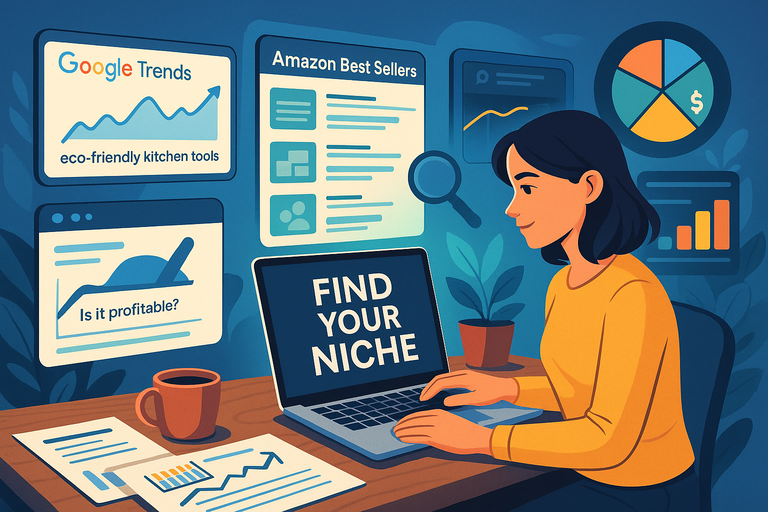
Choosing your niche is where your dropshipping startup takes its first real shape.
It’s not just about selling what’s trending—it’s about finding a market that fits your audience, your passion, and your ability to compete effectively.
How to Identify Profitable Niches With Low Competition
Here’s a strategy I often recommend: look for specific problems people are actively searching to solve.
- Use Google Trends to see rising interest.
- Check Amazon’s “Best Sellers” for patterns in product categories.
- Read Reddit threads and Facebook groups to uncover unmet needs.
Aim for a niche that’s not saturated but still has steady demand. For example, “eco-friendly kitchen tools” is narrower than “home goods,” but it’s easier to dominate.
A good rule: small audience, big need beats big audience, small need.
Tools You Can Use to Research Market Demand
The right tools make the hunt for your niche faster and smarter:
- Google Keyword Planner: Shows search volume and competition.
- SEMrush: Helps analyze competitor keywords.
- Ecomhunt: Identifies trending dropshipping products.
- Exploding Topics: Reveals early-stage trends before they go mainstream.
I suggest you start with one or two tools and learn them deeply. It’s better to master a small toolkit than to juggle ten dashboards without insight.
Evaluating Long-Term Potential of a Niche
To ensure your niche lasts, check three things:
- Evergreen potential: Is the demand consistent, or just a seasonal spike?
- Pricing flexibility: Can you charge more than $25 per product to cover ads and profit?
- Expansion room: Can you grow into related products easily?
For example, if you start with yoga mats, you can later expand into yoga apparel, accessories, or digital classes. That’s how sustainable niches evolve.
Mistakes to Avoid When Choosing Your First Niche
These are the traps I see most new dropshippers fall into:
- Chasing viral TikTok trends without checking product margins.
- Ignoring shipping costs when calculating profits.
- Picking a niche they don’t understand or care about.
- Assuming popularity equals profitability.
One of my favorite examples: fidget spinners. Huge trend, short lifespan. The smart players moved early, made profit, and left before saturation. Others entered too late and drowned in competition.
If I can offer one tip—it’s this: choose a niche that makes you curious. Passion fuels patience, and patience wins in dropshipping.
Selecting Reliable Dropshipping Suppliers and Products
Your suppliers are the backbone of your dropshipping startup. You could have the best website and ads, but a bad supplier can ruin your reputation overnight. This section will help you build relationships that last.
What to Look for in a Trustworthy Supplier
A good supplier isn’t just about low prices—it’s about consistency. Look for:
- High product ratings (4.5 stars or above).
- Reliable communication (fast replies, clear English).
- Reasonable shipping times (preferably under 14 days).
- Order tracking and return policies.
Before committing, send a message asking detailed questions about stock, branding options, and delivery speed. How they respond will tell you everything you need to know.
How to Test Product Quality Without Buying in Bulk
Here’s what I recommend:
- Order 1–2 samples for yourself.
- Evaluate packaging, delivery time, and product accuracy.
- Take your own product photos instead of using supplier images.
This not only gives you confidence in quality but also unique marketing materials. If something feels off—like sloppy packaging or missing items—find a different supplier before you scale.
Popular Supplier Platforms for Dropshippers
There are several platforms that connect you with vetted suppliers:
- AliExpress: The classic starting point, huge variety, but slower shipping.
- Spocket: Offers US/EU-based suppliers for faster delivery.
- CJdropshipping: Integrated fulfillment, branding, and automation options.
- Zendrop: Great for beginners with simple order management.
Each has its pros. For example, Spocket may cost more but saves you shipping headaches, which builds better customer satisfaction.
Red Flags That Indicate a Bad Supplier Relationship
If your supplier shows any of these signs, it’s time to reconsider:
- Ignoring your messages or taking days to reply.
- Poorly packed or damaged orders.
- Inconsistent stock availability.
- Refusal to share order tracking details.
A good business relationship feels collaborative. If you constantly feel like you’re chasing your supplier, you’re probably with the wrong one.
Pro Tip: In dropshipping, you’re not just building a store—you’re building a supply chain. Treat your suppliers like partners, not vendors. A reliable supplier can make your startup sustainable, while a careless one can sink it fast.
Building Your Online Store for a Successful Launch
Your dropshipping startup becomes real the moment your online store goes live. This is where your products, design, and brand come together to build trust with customers.
Even if you’re not a tech person, the right setup tools make it surprisingly simple to create a professional, high-converting store.
Choosing the Right E-Commerce Platform for Your Startup
The platform you choose will shape how your dropshipping business runs day to day.
I usually recommend starting with Shopify because it’s beginner-friendly and integrates smoothly with suppliers like DSers.
If you’re more hands-on with tech, WooCommerce (a plugin for WordPress) gives you more control and customization freedom, but you’ll need to handle hosting and security yourself.
Shopify UI path example: Dashboard → Apps → Search “DSers” → Install → Connect your AliExpress account.
Here’s how to decide quickly:
- Choose Shopify for simplicity and built-in support.
- Choose WooCommerce for flexibility and lower long-term cost.
- Choose BigCommerce or Wix if you want integrated tools without coding.
My advice: Start simple. You can always migrate later once your store’s traffic and revenue grow.
How to Design a High-Converting Storefront
Your storefront is your first impression—it should look clean, trustworthy, and easy to navigate.
Start with a minimalist theme like Dawn (Shopify) or Storefront (WooCommerce). Avoid overloading your homepage with banners and pop-ups. Instead, highlight your products with clear photos and short, benefit-driven headlines.
Here’s a simple design checklist I use:
- Use 2–3 colors that align with your brand tone.
- Keep CTAs (Call-to-Action buttons) visible and consistent.
- Include customer reviews and trust badges.
- Optimize for mobile first—70% of dropshipping traffic comes from phones.
I believe every product should look like it belongs in a curated store, not a random catalog. That sense of curation builds instant confidence.
Writing Product Descriptions That Actually Sell
A product description isn’t just a list of features—it’s a short story that connects emotion to purchase. I suggest using a three-part format:
- Problem: What issue does the product solve?
- Solution: How does it make the customer’s life better?
- Proof: What shows it works? (reviews, stats, certifications)
For example, instead of saying: “Stainless Steel Water Bottle, 500ml capacity,” try:
“This eco-friendly stainless steel bottle keeps your drinks cold for 24 hours—perfect for busy mornings, gym sessions, or road trips.”
Quick tip: Write as if you’re talking to one friend, not a crowd. Your goal isn’t to sound big—it’s to sound real.
Setting Up Payment Gateways and Shipping Policies
Payments are the lifeline of your dropshipping store, so choose gateways that build trust and minimize friction. The most common options are Shopify Payments, PayPal, and Stripe.
To set up on Shopify: Dashboard → Settings → Payments → Choose Provider → Activate.
I suggest offering at least two payment options. Some users prefer PayPal for security; others want to pay directly by card.
As for shipping policies, transparency matters. Include estimated delivery times, return conditions, and refund steps clearly in your footer or FAQ page.
Even if your shipping takes 10–15 days, honesty converts better than vague promises.
Setting Up Legal and Business Foundations
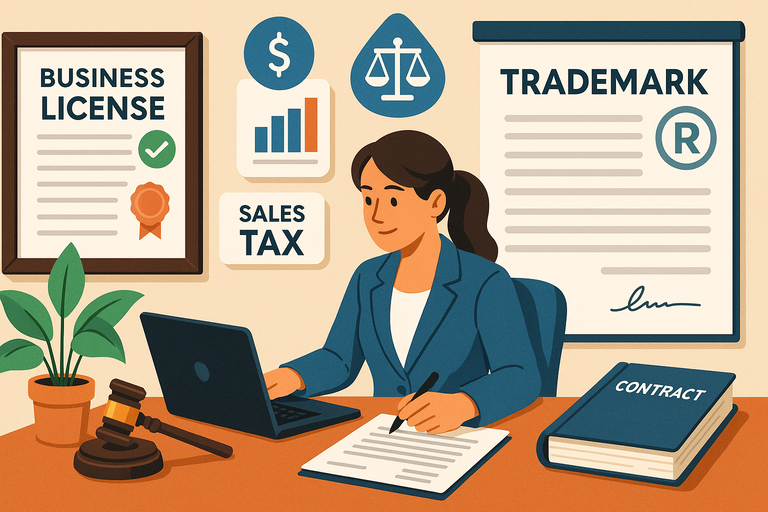
A strong legal foundation protects your dropshipping startup from potential headaches later.
Think of this section as setting your business on a clean, professional path that keeps customers and regulators happy.
Registering Your Business the Smart Way
Even though dropshipping is online, it’s still a real business—and you should treat it like one. Start by registering your company as an LLC (Limited Liability Company) or sole proprietorship, depending on your country.
In the U.S., you can do this through your state’s Secretary of State website. It usually costs between $50 and $200. This step legally separates your personal assets from your business liabilities.
You’ll also need an EIN (Employer Identification Number) for tax purposes. You can apply for free through the IRS website. It only takes a few minutes, and you’ll need it for things like payment processing and supplier verification.
Understanding Taxes, Licenses, and Legal Obligations
Taxes can seem intimidating, but they’re manageable once you understand the basics. You’ll need to handle:
- Sales tax: Collected from customers based on their state or country.
- Income tax: Paid on your total profit at year-end.
- Import duties: Usually handled by your supplier if you sell internationally.
I suggest using a tool like TaxJar to automate sales tax collection—it saves hours of manual work.
Always double-check your country’s online business regulations. Some regions may require special e-commerce permits or VAT registration.
Protecting Your Brand With Trademarks and Policies
Trademarks protect your store name and logo from copycats. Before you commit to a brand name, search the USPTO Trademark Database (if you’re in the U.S.) to make sure it’s available.
Once you’re set, register your trademark—it costs about $250–$350 per class. This gives you exclusive rights to that brand identity.
You should also create clear Terms & Conditions, Privacy Policy, and Refund Policy pages. Tools like Termly make this quick and compliant.
I’ve seen too many new stores skip this step—and lose customer trust fast when something goes wrong. Legal clarity is part of your brand credibility.
Why Transparency Builds Trust With Your Customers
Transparency turns visitors into loyal buyers. Be upfront about shipping times, refunds, and product origins. If your products ship from overseas, say so politely and explain why—it’s often because it allows you to offer better prices.
Add a “Track My Order” page, an “About Us” story, and live chat support if possible. These small signals tell people there’s a real person behind the screen.
I believe the best marketing is honesty. In a world of copy-paste stores, genuine transparency is a rare competitive edge.
Crafting a Winning Marketing Strategy for Your Dropshipping Startup
Once your store is ready, marketing brings it to life. You don’t need a huge budget—you need smart strategies and consistent testing. Marketing is where your dropshipping startup starts to scale.
Using Social Media Ads to Drive Early Traffic
Social media ads are the fastest way to validate your products. Start with Facebook Ads Manager because of its detailed targeting.
Example path: Ads Manager → Create → Conversions → Choose Pixel → Define Audience → Upload Creative.
Start small—$10–$20 per day—and test multiple ad creatives. Focus on short videos that show the product in use rather than static images.
Platforms like TikTok Ads and Instagram Reels can perform better for visual products, especially in fashion, beauty, and gadgets.
I advise running test campaigns for 7 days before scaling any winner.
How to Build an Email List Before You Launch
Even before your store goes live, you can collect emails using a “coming soon” page. Offer a small incentive—like early access, discounts, or a free guide.
Use tools like Klaviyo or Omnisend to automate your email sequences.
Example:
- Day 1: Welcome message + store preview.
- Day 3: Sneak peek of best products.
- Day 7: Official launch email with coupon.
Email lists convert 5–10x better than ads in the long run. They’re your direct line to customers without depending on algorithms.
SEO Strategies to Attract Free Organic Visitors
Search Engine Optimization (SEO) might sound slow, but it builds lasting results. Focus on product-based and intent-driven keywords.
For example, instead of “wireless charger,” use “best wireless charger for iPhone 15.”
Basic SEO setup checklist:
- Optimize title tags and meta descriptions for every page.
- Add alt text to all product images.
- Use internal linking (e.g., “You might also like…” sections).
- Start a simple blog answering buyer questions in your niche.
If you’re using Shopify, install Yoast SEO for guidance. I suggest writing one new blog per week—it compounds organic growth over time.
Leveraging Influencers to Boost Your Brand Awareness
Influencer marketing is powerful when done authentically. Instead of big celebrities, focus on micro-influencers (1K–50K followers). They charge less and have better engagement.
Here’s how I usually approach it:
- Search your niche hashtag on Instagram or TikTok.
- DM creators with a friendly message and offer free product samples.
- Ask for short videos or reviews in return.
Track the ROI by giving each influencer a unique discount code (e.g., JENNY10).
I’ve seen small stores grow 300% in a month just from a few good influencer partnerships. The trick is to build relationships, not just transactions.
Pro Tip: Marketing is 70% testing, 30% intuition. Don’t be afraid to fail fast. Every ad, post, or email teaches you what resonates—and that’s how your dropshipping startup becomes a real brand.
Managing Operations and Customer Experience
Your dropshipping startup’s reputation lives or dies on customer experience. Even if your products are great, poor communication or slow responses can kill momentum fast.
The trick is to build simple systems that keep things running smoothly, even when you’re asleep.
How to Handle Orders, Returns, and Refunds Efficiently
Think of order management as the heartbeat of your business. The faster and more transparently you handle it, the more trust you earn.
If you’re using Shopify, you can automate most steps: Dashboard → Orders → Manage Fulfillment → Sync with DSers (or your supplier tool).
Here’s a quick workflow that works well:
- Automate order forwarding: Tools like AutoDS can automatically send new orders to suppliers.
- Track shipments automatically: Integrate apps like 17Track so customers can see updates.
- Set up refund policies clearly: Always state how long returns take and what conditions apply.
When it comes to refunds, speed matters more than perfection. I suggest processing them within 48 hours whenever possible. Even when it hurts your short-term profit, fast resolution builds long-term credibility.
Building Strong Communication With Your Suppliers
Suppliers are your silent business partners, and how you communicate with them determines how well your dropshipping startup runs.
I recommend starting every relationship with a short message introducing your store, your goals, and your expectations. It sets a professional tone from day one.
Try this simple message template:
“Hi [Name], I’m [Your Name], and I run [Store Name]. I’d love to collaborate long-term and plan to scale steadily. Could you please share your best shipping options and restock schedule?”
Keep communication centralized—use platforms like AliExpress Messaging, CJdropshipping’s Chat, or even WhatsApp Business if available.
Pro tip: Treat suppliers like teammates. Ask for updates, send polite reminders, and thank them for good service. I’ve seen suppliers prioritize those who communicate respectfully and consistently.
Customer Support Tools That Save Time and Money
Managing customer inquiries can eat hours if you don’t automate it wisely. Fortunately, modern tools make it easy to handle messages without losing the personal touch.
Here are some good options:
- Tidio: For live chat and automated replies.
- Zendesk: If you handle multiple channels like email and social media.
- Shopify Inbox: Great for beginners, free and directly integrated.
Set up FAQ automation for common questions like shipping times, refunds, or product specs. You can also add quick-reply templates in your email tool to save time.
From experience, I’d say the key is balance—automate what you can, but always leave space for personal responses when a situation feels sensitive. Customers remember empathy more than speed.
Turning First-Time Buyers Into Loyal Customers
Repeat buyers are the backbone of every sustainable dropshipping business. Acquiring a new customer can cost 5x more than keeping an existing one, so focus on nurturing relationships after the first sale.
Here’s what works:
- Send thank-you emails after every order with a small discount for the next purchase.
- Use Klaviyo to set up “win-back” campaigns—emails triggered after 30 days of inactivity.
- Include handwritten notes or branded inserts if your supplier allows packaging customization.
I suggest thinking beyond products—build community. Share tips, stories, or lifestyle content related to your niche. It keeps people engaged even when they’re not shopping.
Tracking Performance and Scaling Your Dropshipping Business
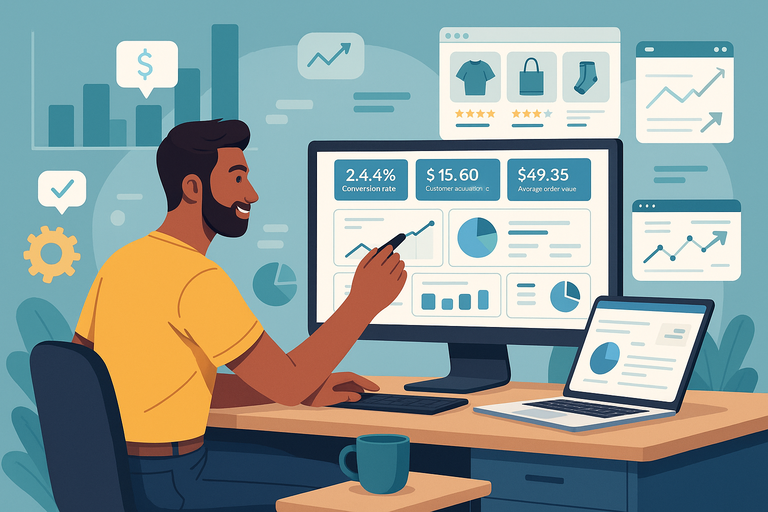
Once orders start flowing, tracking performance becomes your compass. It helps you see what’s working, what’s not, and where to double down.
Scaling without metrics is like flying blind—you might grow fast but crash faster.
Key Metrics Every Dropshipper Should Track
There are a few numbers you should monitor weekly:
- Conversion rate: The percentage of visitors who buy (aim for 2–3%).
- Customer acquisition cost (CAC): Total ad spend divided by new customers.
- Average order value (AOV): How much people spend per order.
- Profit margin: Revenue minus cost of goods and ads.
If you’re using Shopify, go to Analytics → Reports → Sales by Channel for a quick overview. I recommend reviewing this every Monday morning—it helps you make decisions with data, not hunches.
Keep a spreadsheet for your monthly performance. I’ve seen small stores grow steadily just by consistently tracking and adjusting.
When and How to Add More Products to Your Store
Adding more products can expand your reach, but timing is everything. Don’t rush it until you’ve proven at least one consistent seller.
Here’s a simple rule I use: If one product makes at least 20 sales per week and maintains a profit margin over 25%, it’s time to test complementary products.
Start by adding related items. For example, if your bestseller is a yoga mat, introduce yoga blocks or eco-friendly water bottles. Use cross-selling apps like ReConvert to increase your average order value.
Scaling horizontally (same niche, more products) works better than jumping into unrelated categories. It keeps your brand coherent and your marketing efficient.
Automating Repetitive Tasks to Boost Efficiency
As your dropshipping startup grows, automation becomes a necessity. It helps you save time and focus on strategy instead of manual chores.
Automate these key areas:
- Order processing: Use DSers, Dropified, or AutoDS.
- Email follow-ups: Use Klaviyo or Omnisend.
- Ad reporting: Use Triple Whale or Supermetrics to connect your ad data.
I like to schedule a “business maintenance day” once a week. That’s when I check automations, update workflows, and ensure all systems are running smoothly. A little preventive care avoids big problems later.
Scaling Your Marketing to Increase Profit Margins
Scaling isn’t just spending more on ads—it’s about improving returns per dollar.
Start by analyzing your winning campaigns and look for audience patterns. Are most sales coming from mobile users aged 18–34? Double down on them.
Try these scaling tactics:
- Duplicate your winning ad sets with slightly higher budgets.
- Test new countries with low ad costs.
- Retarget website visitors who didn’t buy using Facebook Pixel.
Once you have stable profits, experiment with Google Shopping ads or influencer collaborations to diversify your reach.
I advise reinvesting at least 20–30% of your profit into testing new marketing angles. Consistent testing is how every major e-commerce brand keeps growing.
Common Mistakes That Can Ruin a Dropshipping Startup
Even experienced dropshippers make avoidable mistakes that can stall or sink their business. The good news is that once you know what to look out for, you can avoid them easily.
Ignoring Product Research and Testing
Jumping into a product because it “looks cool” is one of the fastest ways to lose money. I always suggest validating every product before you commit.
Test by running a small ad campaign for $20–$50. If you don’t get clicks or add-to-carts, move on quickly. Tools like Ecomhunt and AdSpy can help you see what’s trending and what’s oversaturated.
Good products solve specific problems. Keep that in mind every time you add something new.
Relying Too Much on a Single Traffic Source
Putting all your marketing energy into Facebook or TikTok alone is risky. Algorithms change overnight, and that can destroy your traffic flow.
I suggest diversifying early—start with paid ads, then build SEO and email lists in parallel. This gives you stability if one channel drops.
Remember, your email list is the only channel you truly own. Everything else depends on platforms you can’t control.
Neglecting Customer Service and Feedback
Bad reviews can kill a store faster than slow shipping. Don’t let emails or messages pile up. If you can’t handle customer service alone, outsource it using Upwork or Fiverr freelancers trained in Shopify communication.
Encourage feedback after delivery, even if it’s not perfect. Real reviews (even mixed ones) build authenticity. And most negative feedback gives you direct insights for improvement.
Giving Up Too Soon Before Seeing Results
Many beginners quit after two weeks of testing. Dropshipping is not a sprint—it’s a 90-day learning curve.
Expect to lose some money in the beginning as you learn ad targeting, pricing, and customer psychology. That’s part of the tuition for running an online business.
I’ve seen stores go from zero to $10K per month by simply staying consistent with product testing and optimization. Persistence beats perfection every time.
Expert Tips to Build a Long-Term Sustainable Dropshipping Brand
Once your dropshipping startup gains traction, it’s time to think long-term. Turning your store into a brand is what separates quick sellers from lasting businesses.
How to Differentiate Your Brand in a Crowded Market
Brand differentiation doesn’t require huge budgets—it requires clarity. Focus on a unique angle that connects emotionally with your customers.
You can stand out through:
- Superior packaging and presentation.
- Consistent tone of voice in your copy.
- A clear brand mission (eco-friendly, minimalist, wellness-focused).
For instance, one store I worked with rebranded all their products with simple kraft packaging and a note saying “Thank you for choosing less plastic.” Sales jumped 40% in a month because customers felt part of a cause.
Building Trust Through Authentic Content and Reviews
Trust grows through transparency and storytelling. Use user-generated content (UGC)—real customer photos and videos—to prove authenticity.
Encourage reviews with a small incentive like discount codes for the next order. Apps like Loox or Judge.me automate this process beautifully.
Share behind-the-scenes stories on social media. Talk about your brand’s journey and values—it humanizes your business and makes people care more deeply about what they buy.
Using Data Analytics to Improve Decision-Making
Data should be your compass. Tools like Google Analytics and Shopify Reports give you a full view of customer behavior—what pages they visit, where they drop off, and which ads convert best.
Here’s a simple weekly review habit:
- Check conversion rate trends.
- Compare ad spend versus revenue.
- Identify best-selling products by profit margin.
I believe good data doesn’t just show what’s happening—it tells you why it’s happening. When you start seeing patterns, scaling becomes a science, not guesswork.
Future Trends to Watch in the Dropshipping Industry
The dropshipping landscape is evolving fast. To stay competitive, keep an eye on these emerging trends:
- Local dropshipping (sourcing from domestic suppliers for faster delivery).
- AI-driven personalization in email and product recommendations.
- Eco-conscious products and packaging.
- Subscription-based models for recurring revenue.
Adapt early. I suggest testing at least one innovative idea every quarter. The stores that evolve are the ones that survive the longest.
Pro Tip: Building a lasting dropshipping startup isn’t about chasing trends—it’s about mastering consistency. Keep improving, keep listening to your customers, and treat every sale as the start of a relationship, not the end of one. That’s how you grow from a startup into a brand people genuinely love.

I’m Juxhin, the voice behind The Justifiable.
I’ve spent 6+ years building blogs, managing affiliate campaigns, and testing the messy world of online business. Here, I cut the fluff and share the strategies that actually move the needle — so you can build income that’s sustainable, not speculative.
Related posts:
 How to Use Dsers Shopify for Seamless Dropshipping
 Dropshipping How to Start: Your Complete Beginner’s Guide
 Shopify Dropshipping Guide: How to Build and Scale a Store That Sells
 How To Start A Dropshipping Business With No Money
 How to Make Money Dropshipping Without Huge Upfront Costs
 Social Commerce Strategies to Turn Engagement Into Sales