
Table of Contents
Some links on The Justifiable are affiliate links, meaning we may earn a small commission at no extra cost to you. Read full disclaimer.
Ever wondered what the best way to start dropshipping really is when you barely have any money to invest? You’re not alone.
Thousands of new entrepreneurs dream of building an online business but feel held back by startup costs, product inventory, or complicated tech setups.
The truth is, with the right strategy, it’s absolutely possible to start dropshipping with little to no money—and actually make it work.
In this guide, I’ll walk you through proven methods, free tools, and smart steps to build your dropshipping business from scratch without breaking the bank.
Understand How Dropshipping Works Before You Start
Before diving into the practical setup, it’s important to really understand how dropshipping works.
Knowing the full model helps you make smarter decisions, avoid beginner traps, and set up your business with confidence.
Learn the Core Dropshipping Model
Dropshipping is a retail model where you sell products without holding inventory. When a customer places an order in your online store, you forward that order to a supplier who ships the item directly to the customer.
Your profit is the difference between the supplier’s cost and your selling price.
Here’s how it looks in simple terms:
- A customer buys a product from your store for $30.
- You pay your supplier $15 for the product.
- The supplier ships the product directly to your customer.
- You keep the $15 profit.
I like to think of it as the art of connecting supply with demand without touching the box. It’s perfect for beginners because you don’t need storage space or large upfront investments.
Identify Your Role as a Store Owner
In dropshipping, your main job isn’t manufacturing or logistics—it’s marketing and customer experience. You create a digital storefront, list products, and drive traffic.
Your key responsibilities include:
- Finding profitable products: Choosing items that people want and can be sourced affordably.
- Designing your online store: Making it visually appealing and easy to navigate.
- Handling customer service: Managing returns, refunds, and inquiries quickly and politely.
Think of yourself as the curator of the shopping experience, not the warehouse manager.
Recognize the Profit Margins and Cost Structure
Profit margins in dropshipping can be thinner than in traditional retail—often around 20% to 40%. But the trade-off is lower risk.
Here’s a quick example:
- Product cost from supplier: $10
- Your selling price: $20
- Profit: $10 (minus transaction fees and shipping costs)
To increase profit margins, I recommend:
- Selling products that offer emotional appeal or solve urgent problems.
- Bundling items (e.g., “Pet Grooming Kit” instead of just a brush).
- Offering value through fast communication and trustworthy branding.
Understand the Customer Journey in Dropshipping
From the moment a visitor lands on your store to when they receive their order, every step matters.
The typical customer journey:
- Discovery: A shopper finds your product through social media, SEO, or ads.
- Consideration: They browse your store, read reviews, and decide if they trust you.
- Purchase: They place an order and receive confirmation.
- Fulfillment: You send the order to your supplier.
- Delivery and support: The customer gets the product and possibly returns for future purchases.
I suggest mapping out this journey early—it helps you predict potential friction points, like slow delivery or unclear product details, before they cost you sales.
Choose the Right Niche for a No-Money Start
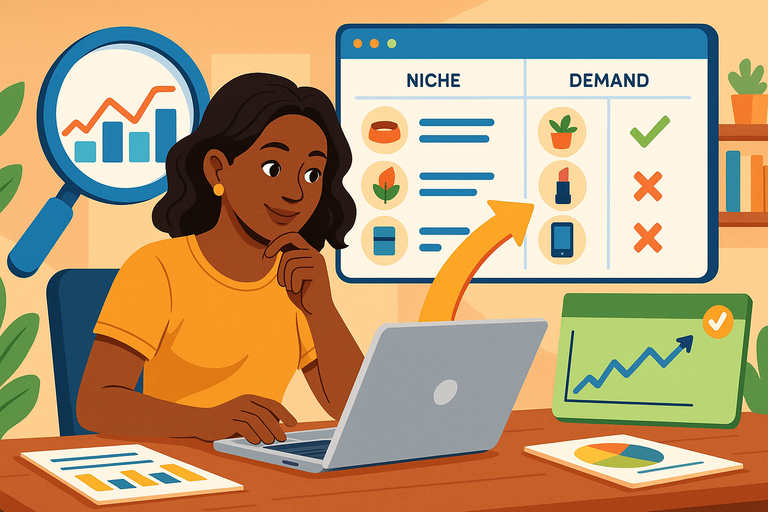
Your niche is your foundation. Choosing the right one determines your potential profit, marketing strategy, and long-term success.
When you’re starting with little or no money, niche selection can save you from expensive mistakes.
Focus on Low-Cost, High-Demand Products
When budgets are tight, go for affordable products that solve simple, universal problems. Think of items like phone accessories, reusable kitchen gadgets, or fitness bands.
I suggest focusing on:
- Products under $30 (easier impulse buys).
- Items light enough to ship cheaply.
- Everyday-use items that customers don’t need much convincing to buy.
Avoid bulky or highly regulated categories like electronics or skincare—those require more capital and compliance.
Use Free Market Research Tools to Find Winning Niches
You don’t need to pay for fancy tools to discover good product ideas. Free tools can give you plenty of insight.
Here are a few I use:
- Google Trends: Type in product ideas to see interest over time.
- TikTok Search: Look for trending product hashtags like “#TikTokMadeMeBuyIt.”
- AliExpress Dropshipping Center: Free tool to check product order volume.
- Pinterest Trends: Understand seasonal interest for certain items.
For example, if you see “portable blender” trending on both Google Trends and TikTok, that’s a green light—it means people are searching and sharing about it.
Validate Product Demand Without Spending on Ads
Before spending a cent, you can test demand using organic methods.
Here’s what I recommend:
- Join niche Facebook groups: Share your product concept and gauge interest.
- List products on free marketplaces: Use eBay or Etsy to see if people buy.
- Create short TikTok videos: Watch how viewers respond and comment.
If engagement is strong, you’ve validated interest without paying for ad campaigns.
Avoid Over-Saturated or High-Competition Niches
It’s tempting to jump into “hot” categories like beauty or fitness—but these are often crowded. You’ll be competing with brands that have big ad budgets.
Instead, look for micro-niches—smaller communities with specific interests. For example:
- Instead of “pet products,” try “eco-friendly dog accessories.”
- Instead of “home decor,” try “minimalist wall art.”
These smaller spaces let you build loyal audiences faster.
Find Reliable Suppliers Offering Free Integration
Your supplier is your backbone. If they fail, your business fails—so reliability matters more than anything.
Thankfully, you can find trustworthy suppliers that integrate for free with popular eCommerce platforms.
Use Free Supplier Directories Like AliExpress and Zendrop
Platforms like AliExpress and Zendrop are beginner-friendly because they offer free accounts and integrate directly with Shopify or WooCommerce.
AliExpress:
- Huge range of products at wholesale prices.
- Lets you order one item at a time (no bulk required).
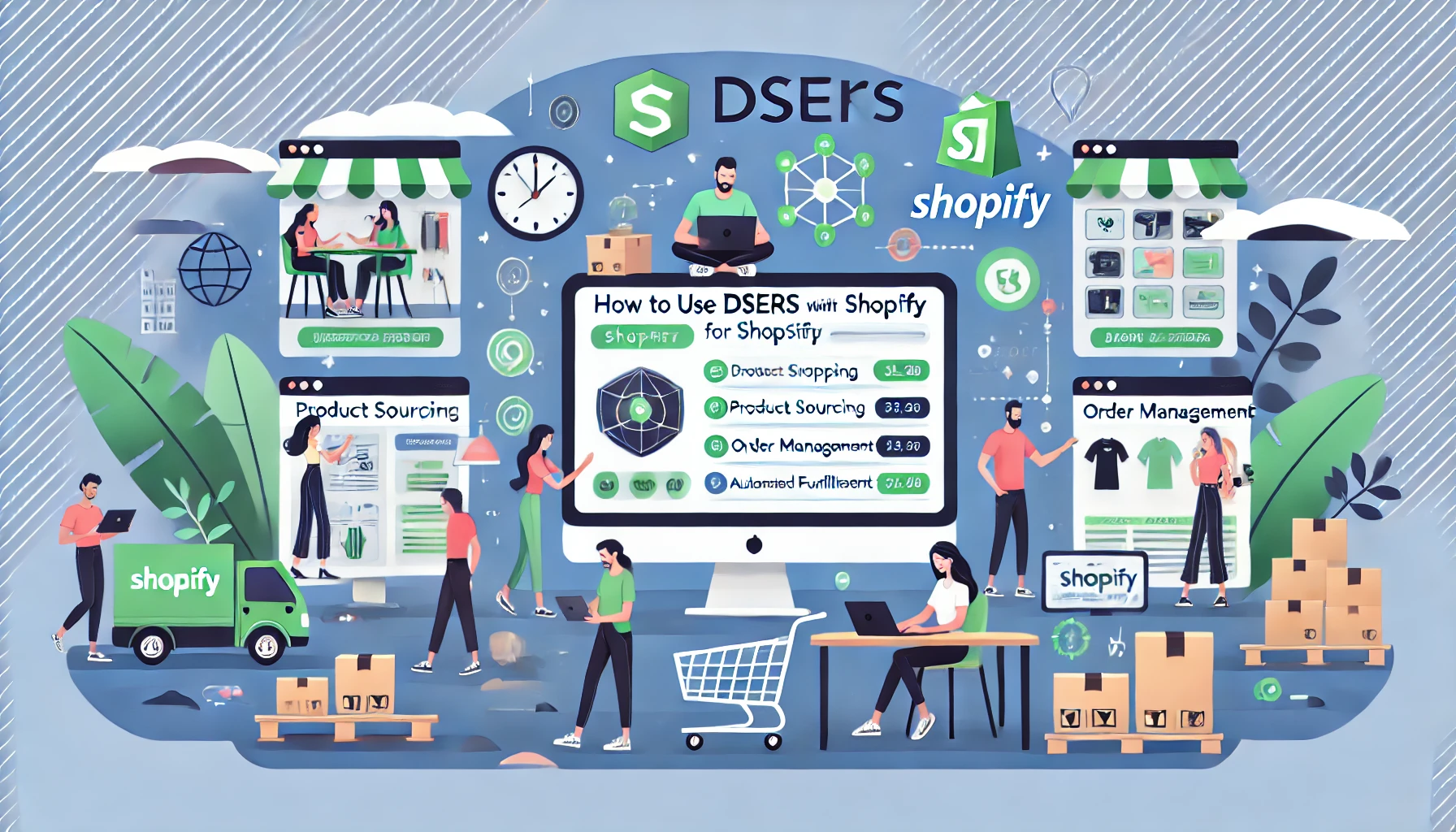
- Offers tools like DSers to automate product imports.
Zendrop:
- U.S.-based fulfillment for faster shipping.
- Free plan includes product imports and order tracking.
- Easy Shopify integration with a few clicks (Shopify Admin > Apps > Zendrop > Connect).
I usually suggest starting with AliExpress for variety, then moving to Zendrop or CJ Dropshipping once sales increase and you need faster delivery.
Partner with Print-on-Demand Platforms with No Upfront Costs
Print-on-demand (POD) is a great dropshipping variation if you want to sell custom designs. Platforms like Printful and Printify let you upload designs for free, and they only charge when someone buys.
Examples of what you can sell:
- Custom t-shirts, mugs, tote bags, and phone cases.
- Trend-based apparel (e.g., memes, quotes, seasonal graphics).
These tools connect directly to Shopify or Etsy and handle printing and shipping automatically. It’s a creative, low-cost way to stand out from generic dropshippers.
Evaluate Supplier Reliability and Shipping Times
Before committing, always check supplier reviews and shipping data. I recommend ordering a test product yourself—it’s the best way to see packaging quality and delivery speed firsthand.
Key things to check:
- Average delivery time: Aim for under 15 days.
- Customer feedback: Look for reviews with real photos.
- Responsiveness: Message suppliers to test communication speed.
A supplier who answers fast usually processes orders faster, too.
Automate Fulfillment Using Free Shopify or WooCommerce Plugins
Once you’ve chosen a supplier, connect it to your store through automation tools. This saves time and avoids human error.
Popular free tools:
- DSers (for AliExpress): Automates order fulfillment in Shopify.
- WooDropship (for WooCommerce): Syncs product listings and prices.
For example, in Shopify you can go to Apps > DSers > Import List, select your product, and click “Push to Store.” That’s it—your product is live, synced, and ready for orders.
Build Your Dropshipping Store With Free Tools
Once you’ve picked your niche and suppliers, it’s time to build your online store. Don’t worry—starting doesn’t mean paying upfront for fancy apps or themes.
I’ll show you how to set up a professional, conversion-ready store using free tools that work.
Create a Free Store Using Shopify Trial or WooCommerce
You can start a store for almost nothing using Shopify’s 3-day free trial or WooCommerce, which is completely free if you already have WordPress.
If you’re new, I suggest starting with Shopify because it’s easier to set up and integrates with most dropshipping tools.
Here’s a quick path:
- Go to shopify.com and click Start free trial.
- Choose a store name (you can change this later).
- Go to Settings > Apps and install DSers or Zendrop to import products.
- Add products and customize your homepage.
If you prefer WooCommerce (which I often use for budget-conscious stores), install it via WordPress Dashboard > Plugins > Add New > WooCommerce. Then connect a supplier plugin like WooDropship to sync your product listings.
Both platforms are solid—the main difference is Shopify is simpler, while WooCommerce gives more control if you’re tech-savvy.
Design Your Store Using Free Themes and Branding Resources
Your store’s design is the first impression customers get, so it needs to look clean and trustworthy. Fortunately, you don’t need a designer or expensive themes.
Shopify offers excellent free themes like Dawn, which look professional right out of the box. You can install them through Online Store > Themes > Explore Free Themes.
For branding, here’s what I recommend:
- Logo design: Use Canva or Shopify’s Hatchful (both free).
- Color palette: Stick to 2–3 consistent colors—usually one accent color and two neutrals.
- Images: Use high-quality product photos from your supplier, but remove watermarks and optimize for size.
I’ve found that simplicity converts better than over-designing. Clean fonts, clear buttons, and well-spaced sections help users trust your store.
Write Compelling Product Descriptions That Convert
A great product description doesn’t just describe—it persuades. Think of it as your online salesperson.
Here’s a quick structure I often use:
- Headline: Focus on the main benefit (e.g., “Stay Hydrated Anywhere with This Portable Water Filter”).
- Pain Point: Address a customer problem.
- Solution: Show how your product solves it.
- Features & Benefits: Use bullet points for clarity.
- CTA (Call-to-Action): Invite the reader to buy now.
Example:
Problem: Hate carrying heavy water bottles when hiking?
Solution: The EcoFlow Filter Bottle purifies water instantly from streams or taps.
Features:
- Lightweight, BPA-free design
- Filters up to 1,000 liters of water
- Leak-proof seal for outdoor use
I always suggest writing like you’re talking to one person, not a crowd—it makes your message more authentic.
Optimize Store Speed and User Experience Without Paid Apps
A slow store kills sales. Research by Google shows that a 1-second delay can reduce conversions by up to 20%. You can easily boost performance without spending anything.
- Compress images: Use free tools like TinyPNG to reduce file size.
- Limit homepage content: Keep it simple—no autoplay videos or huge sliders.
- Use Shopify’s built-in speed reports: Go to Online Store > Themes > Actions > View Report.
- Minimize plugins: Too many slow your site; only keep essentials like DSers or analytics.
Fast, minimal, and mobile-friendly—that’s the trifecta that drives trust and conversions.
Start Marketing Without Paid Advertising

You don’t need a big ad budget to drive traffic. I’ve helped plenty of small stores grow through free marketing strategies that actually work. Let’s walk through them one by one.
Leverage Social Media Organic Reach (TikTok, Instagram Reels)
Short-form video platforms are goldmines for organic reach. TikTok and Instagram Reels can push your product videos to thousands of viewers, even if your account is new.
What works best:
- Show your product in action (e.g., “Before and after” clips).
- Keep videos under 15 seconds with trending music.
- Use natural lighting and real voices for authenticity.
If you’re using TikTok, go to Create > Upload > Add sound > Trending sounds to boost engagement. One viral video can bring in hundreds of store visits overnight.
Join Facebook Groups and Reddit Communities in Your Niche
Joining niche groups is one of the most underrated ways to promote a new store for free. Instead of posting ads, engage genuinely. Offer advice, share stories, and include your product subtly when relevant.
For example, if you sell home organization tools, join groups like “Minimalist Living” or “DIY Home Hacks.” Contribute first—promotion comes later. Reddit works the same way; subreddits like r/BuyItForLife or r/HomeImprovement can be great for feedback and exposure.
Build an Email List Using Free Marketing Platforms
An email list is one of your most valuable assets because it’s traffic you control. You can use free tools like MailerLite to start.
Steps to get started:
- Add a signup pop-up using Shopify’s free app or MailerLite plugin.
- Offer an incentive (e.g., “Join and get 10% off your first order”).
- Send weekly updates with new arrivals, blog posts, or product tips.
Email marketing has a 4,200% ROI according to HubSpot. Even if you only have a few subscribers, it’s worth nurturing from day one.
Use Content Marketing to Attract Organic Traffic
Creating helpful content builds authority and brings in long-term traffic through SEO. You don’t need to blog daily—just post consistent, value-driven content.
Try these ideas:
- Write how-to guides about your products (e.g., “How to Use a Portable Blender Safely”).
- Create Pinterest pins linking back to your store.
- Start a YouTube Shorts channel showing product demos.
Over time, Google rewards consistent, high-quality content with free traffic—and that’s the most sustainable growth you can get.
Use Free Tools to Automate and Manage Your Store
Running a dropshipping business means juggling many tasks. Automation keeps things running smoothly while you focus on growth.
Track Orders and Inventory With Free Integrations
You can automate most of your backend using free Shopify or WooCommerce apps. DSers, for instance, syncs order data automatically between your store and AliExpress.
In Shopify, go to Apps > DSers > Settings > Auto Order Management. Toggle on Auto Place Orders so the system sends customer info to your supplier without manual work.
For WooCommerce, I suggest using WooDropship or Ali2Woo—both offer free versions for basic automation.
Use Chatbots and Free Customer Service Tools
Customer questions can pile up fast, so set up an auto-responder. Free options like Tidio integrate directly into Shopify and WooCommerce.
What I love about these tools is they handle common questions automatically—like shipping times or order status—so you can focus on marketing.
Example setup in Shopify: Apps > Tidio > Automation > FAQ Bot > Add Rules.
Set responses like, “Our average delivery time is 7–12 days.”
Manage Analytics Using Google Analytics and Meta Tools
You can’t improve what you don’t measure. That’s why I always integrate Google Analytics and Meta Pixel before running any campaigns.
In Shopify, the path is Settings > Preferences > Google Analytics > Paste tracking ID. This helps track where your visitors come from, what they click, and which pages convert best.
Meta Business Tools also help retarget potential buyers later, even if you’re not running ads yet.
Schedule Social Media Posts Automatically
Staying active on social media is easier when it’s automated. Use free tools like Later, Buffer, or Metricool to plan weekly posts in one sitting.
A simple weekly schedule:
- Monday: Product feature or customer photo
- Wednesday: Quick tip or “how-to” post
- Friday: Fun or trending content in your niche
Automation keeps your brand consistent and frees up time for testing new products or improving your site.
Reinvent Your Strategy With First Profits
When your first few orders start rolling in, it’s a big win—but it’s also a turning point. How you use those early profits determines whether your dropshipping store becomes sustainable or stalls out.
I suggest treating every dollar like a seed for smarter growth, not just quick gains.
Reinvest Profits Into Ads and Store Improvements
After earning your first $200–$500 in profit, I recommend reinvesting around 70–80% back into your business. Paid advertising can help you scale faster, but you want to test smartly.
Start with small ad budgets:
- Meta Ads (Facebook & Instagram): Test $5–$10/day ad sets to see which audience clicks most.
- TikTok Ads: Great for visual products. Start with “Spark Ads” using your best organic video.
Also, use part of your profits for subtle store improvements—faster load times, better product images, and trust badges can boost conversions by up to 20%.
For example, upgrading your product images from supplier defaults to your own branded photos often doubles engagement.
If your store is on Shopify, go to Online Store > Themes > Customize and tweak layout, fonts, or colors based on customer feedback and analytics.
Test New Product Variations and Bundles
Your first profitable products can be stepping stones to new ones. Once you have a winning item, test variations: different colors, materials, or complementary products.
For instance, if your store sells reusable water bottles, bundle them with a cleaning brush or carrier sleeve. It’s a low-cost way to increase your average order value (AOV).
Quick strategy I use:
- Check your Shopify analytics for “Frequently Bought Together” items.
- Offer a bundle discount (e.g., “Buy 2, Get 10% Off”).
- Use apps like Bundler (free version available) to automate it.
Testing new combinations keeps your product catalog fresh and your customers curious.
Upgrade to Paid Tools That Increase Efficiency
Once you have steady income, it’s time to invest in tools that save you time or improve customer experience.
Top upgrades worth the money:
- DSers Advanced Plan: Automates bulk orders—great once you get 10+ daily sales.
- Canva Pro: For consistent branding and high-quality product mockups.
- Klaviyo or Omnisend: For advanced email automation and personalized offers.
These tools often pay for themselves. For example, an automated email recovery flow can recover up to 15% of abandoned carts—turning lost traffic into revenue without extra ad spend.
Build Long-Term Brand Loyalty Through Customer Retention
Your most profitable customer is the one who comes back. To build loyalty, go beyond discounts—focus on connection.
Simple retention strategies:
- Send thank-you emails with a personal note.
- Offer loyalty points through free Shopify apps like Smile.io.
- Create a post-purchase survey to learn what customers liked (and didn’t).
According to Bain & Company, increasing customer retention by just 5% can boost profits by 25% to 95%. So even small gestures—like a handwritten thank-you note or follow-up discount—can make a lasting impact.
Avoid Common Mistakes New Dropshippers Make
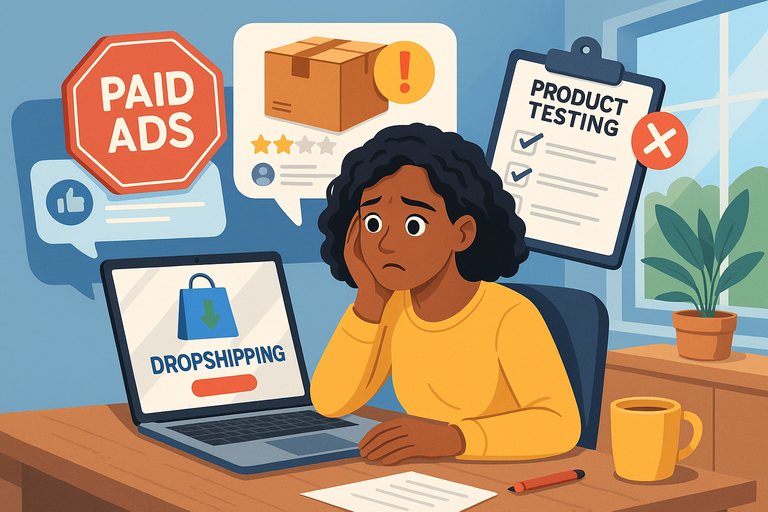
Even experienced sellers slip up sometimes. I’ve seen many promising stores fail not because the idea was bad, but because of a few easily avoidable mistakes.
Relying Too Much on Paid Ads Too Early
Paid ads can drain your budget fast if you’re not ready. I always suggest mastering organic marketing before scaling with ads. Build momentum with free strategies first—social media, email, and SEO.
When you do start ads, test small, track results, and never assume what works for others will work for you. Each product and audience reacts differently.
A simple rule: If your store hasn’t made at least 10 organic sales, don’t start ads yet. It means your offer or landing page still needs work.
Choosing Poor-Quality or Unreliable Suppliers
A bad supplier can destroy your reputation faster than anything. Slow shipping, poor packaging, or unresponsive support frustrate customers and lead to refund requests.
Before trusting a supplier:
- Order a sample to test quality and delivery.
- Read real reviews with customer photos.
- Contact them directly and see how fast they respond.
Suppliers like Spocket or CJ Dropshipping generally offer better reliability and customer communication than random AliExpress sellers.
Neglecting Product Testing Before Launch
Don’t assume a product will sell just because it’s trendy. Test demand through social media engagement or small audience polls first.
For example, post short demo videos on TikTok and watch comments. If people ask, “Where can I buy this?”, it’s a green flag. If no one reacts, move on—it’s cheaper than running ads that flop.
I also advise buying one unit yourself to test packaging, functionality, and photo quality before adding it to your store.
Ignoring Customer Support and Refund Policies
Good customer service builds trust faster than any ad. Always respond within 24 hours, even if you can’t solve the problem right away.
Here’s a simple structure for refunds and policies:
- Offer clear terms on your Refund Policy page.
- Always provide tracking numbers.
- Use an email like “support@yourstore.com” for professionalism.
Tools like Tidio or HelpCenter make customer communication smoother, even on free plans.
Scale Your Dropshipping Business Gradually
Scaling is exciting, but rushing it can burn out your systems and wallet. I’ve seen too many stores crash because they scaled too fast without infrastructure. Think of scaling as controlled growth—not chaos.
Automate Repetitive Tasks as Revenue Grows
Automation lets you focus on strategy, not day-to-day tasks. Use it wherever possible:
- DSers: Automates order fulfillment.
- Klaviyo: Sends personalized follow-ups.
- Shopify Flow (for Shopify Plus users): Automates tagging, refunds, and loyalty tracking.
Even if you’re small, setting up automation early saves hours later and minimizes human error.
Expand Into New Niches With Proven Product Data
Use your analytics to identify what’s working before expanding. For instance, if your store sells eco-friendly kitchen products and your best-seller is a bamboo utensil set, expand into related categories like reusable food wraps or compost bins.
Shopify’s Analytics > Reports > Sales by Product can show which products generate the most profit. Focus expansion on those themes—it’s safer than guessing.
Build a Personal Brand Around Your Store
People buy from people, not faceless websites. I’ve noticed that stores with visible founders or relatable content convert better.
Ideas to humanize your brand:
- Create a short “About Us” video introducing yourself.
- Share behind-the-scenes clips on Instagram.
- Add a “Meet the Team” page if applicable.
Authenticity sells. Even a simple selfie explaining why you started the store builds trust faster than polished stock photos.
Explore Private Labeling for Higher Margins
Once you’ve found consistent best-sellers, consider private labeling—adding your logo and custom packaging. It gives you ownership and better profit margins.
Platforms like Alibaba or CJ Dropshipping’s Branding Service let you print logos or use branded packaging without large minimum orders.
A private-labeled version of a winning product can often sell for 30–50% more simply because it looks premium and exclusive.
Pro Tip: Focus on Building a Brand, Not Just a Store
A store sells products. A brand sells identity, trust, and emotion. If you want long-term success, shift from dropshipping mindset to brand-building mindset.
Create a Unique Brand Story That Builds Trust
Your story is what makes people care. Share why your store exists, who it helps, and what values it stands for.
For example, if your niche is eco-friendly home goods, your story might be: “We started with one bamboo toothbrush and a mission to reduce plastic waste.” That story connects emotionally—and emotion drives loyalty.
Offer Value Beyond Products—Content, Support, and Community
Think beyond sales. Offer value through educational posts, care guides, or communities.
You could:
- Start a Facebook group for product tips.
- Share care or styling videos on Instagram.
- Offer “how-to” blogs that help customers use your products better.
This turns your store from a place people buy from to a place they belong to.
Use Customer Feedback to Improve and Differentiate
Your best ideas come from your customers. Encourage reviews, surveys, and messages—and actually act on them.
A small example: One store I helped switched to eco-mailer packaging after customers complained about plastic. Within two months, their repeat order rate jumped 18%.
Feedback isn’t criticism—it’s free business consulting.
Turn One-Time Shoppers Into Repeat Buyers Through Engagement
To build repeat business, nurture post-purchase relationships. I suggest using email or SMS campaigns to reconnect.
Tactics that work well:
- Offer a “thank you” discount for their next order.
- Send personalized product recommendations.
- Celebrate customer milestones (like their first order anniversary).
Over time, you’ll move from chasing new buyers to cultivating loyal fans—and that’s where real, lasting profit lives.

I’m Juxhin, the voice behind The Justifiable.
I’ve spent 6+ years building blogs, managing affiliate campaigns, and testing the messy world of online business. Here, I cut the fluff and share the strategies that actually move the needle — so you can build income that’s sustainable, not speculative.
Related posts:
 Dropshipping for Beginners: The Complete No-Fluff Guide
 How To Start A Dropshipping Business With No Money
 How to Use Dsers Shopify for Seamless Dropshipping
 Dropshipping How to Start: Your Complete Beginner’s Guide
 How the Salehoo Catalog Helps You Spot Winning Items Quickly
 How to Sell on SaleHoo: A Simple Guide for New Sellers