
Table of Contents
Some links on The Justifiable are affiliate links, meaning we may earn a small commission at no extra cost to you. Read full disclaimer.
If you want to start an online store but don’t want to wait months to see your first sale, this guide is for you. I’m writing this for beginners, side-hustlers, and first-time founders who want traction quickly, not theory.
The big question I’m answering is simple: how do you start an online store in a way that actually leads to faster sales instead of wasted effort?
Validate Real Buyer Demand Before You Start An Online Store
This is the step most people rush, and in my experience, it’s the reason many stores never see sales.
Before you build anything, you want proof that people are already buying something like your idea, not just liking it on social media.
Identify Products With Proven Purchase Intent
When I validate demand, I look for buying behavior, not opinions. Purchase intent means someone is actively trying to solve a problem with their wallet, not just browsing for inspiration.
A simple way to spot this is by looking for products that already sell consistently across multiple channels. If you see the same type of product repeated on different stores, ads, or platforms, that’s usually not coincidence.
Here’s what I personally check first:
- Products with reviews that mention urgency, frustration, or relief
- Items that are problem-first, not trend-first
- Products that people replace or reorder
For example, posture correctors, pet hair removers, or car organizers sell because they solve annoyances people feel daily. From what I’ve seen, stores built around relief-driven products convert faster than “nice-to-have” items.
A quick benchmark I use: if customers are already paying $20–$50 for a solution elsewhere, you’re not fighting human behavior. You’re working with it.
Use Marketplaces To Confirm Willingness To Pay
Marketplaces are your shortcut to reality. They remove guesswork because real money is already changing hands.
I usually start with Amazon, Etsy, and TikTok Shop. Each one tells a slightly different story. Amazon shows volume and competition. Etsy shows niche passion and pricing flexibility. TikTok Shop shows impulse-driven demand.
When scanning listings, I pay attention to:
- Number of reviews relative to product age
- Review velocity, not just total count
- Pricing consistency across sellers
As a rough signal, 300+ reviews on Amazon in under a year usually means strong demand. On Etsy, even 50–100 reviews can be meaningful because traffic is lower but more intentional.
This step answers a critical question: are people comfortable paying for this solution without being educated for 20 minutes first?
If the answer is yes, you’re much closer to faster sales.
Analyze Search Trends For Transactional Keywords
Search data tells you what people actively want, not what they say they want.
I suggest starting with Google autocomplete and keyword tools like SEMrush if you have access. You’re looking for phrases that signal buying intent, not curiosity.
Good signs include:
- “Buy,” “best,” or “for” keywords
- Problem-specific phrases like “fix,” “stop,” or “prevent”
- Product-plus-use-case searches
For example, “best knee brace for running” converts better than “knee pain causes.” One is a buyer. The other is a researcher.
Google Trends can also help you avoid dead products. If interest has been flat or rising over 12–24 months, that’s usually safer than a sudden spike that crashes just as fast.
This step helps you start an online store aligned with existing demand instead of hoping traffic magically appears.
Validate Pricing Expectations Before Building Anything
Pricing mistakes can kill sales even when demand exists. Before building your store, you want to know what buyers already consider “normal.”
I usually map pricing into three tiers:
- Budget options that compete on price
- Mid-range products with clear benefits
- Premium versions with branding or bundles
If the majority of sales cluster around one price range, that’s your signal. Fighting against that expectation slows conversions.
For example, if most competitors sell between $29–$39, launching at $79 without strong differentiation creates friction. Faster sales usually come from aligning with expectations first, then improving margins later.
This validation step saves you weeks of redesigns and discounting after launch.
Choose A Product Type That Converts Faster Online
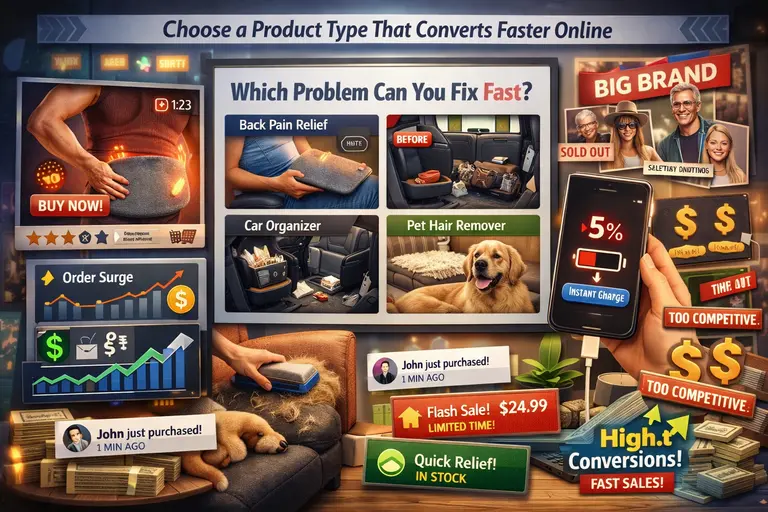
Not all products are equal when it comes to speed. Some require trust, education, and brand-building. Others sell almost immediately because the pain is obvious.
If your goal is faster sales, product selection matters more than design or ads.
Sell Products That Solve Immediate, Painful Problems
The fastest-converting products usually fix something that’s already annoying someone right now.
Think about problems people complain about without being asked. Back pain, pet mess, messy cars, poor sleep, phone battery anxiety. These aren’t abstract issues.
I like to ask myself one question: Would someone feel relief within minutes or hours of using this?
If the answer is yes, conversions tend to come faster. Pain-driven products reduce hesitation because the emotional payoff is clear.
From what I’ve seen, stores built around relief outperform stores built around inspiration, especially early on.
Avoid Saturated Niches With Heavy Brand Dominance
Some niches look attractive until you realize you’re competing with household names and massive ad budgets.
If the top results are dominated by brands people already trust, new stores struggle to convert quickly. Shoppers default to familiarity when risk feels high.
Red flags include:
- Celebrity-backed brands everywhere
- Identical-looking ads from major companies
- Customers comparing warranties and guarantees heavily
That doesn’t mean competition is bad. It means uneven competition slows momentum.
Faster sales usually come from niches where branding is fragmented and trust can be earned quickly with clarity and proof.
Prioritize Low-Consideration, Fast-Decision Products
Low-consideration products don’t require long thought cycles. People don’t bookmark them for later. They either buy or move on.
These products usually:
- Cost under $75
- Don’t require sizing complexity
- Don’t affect long-term health or safety
Phone accessories, home organizers, pet products, and car items often fall into this category.
High-consideration products like mattresses or supplements can work, but they require education, reviews, and trust-building. That slows early sales unless you already have an audience.
If speed matters, simplicity wins.
Balance Profit Margins With Conversion Speed
High margins look great on paper, but they don’t matter if nothing sells.
I’ve found that slightly lower margins with higher conversion rates often outperform “perfect” margins with slow traction. Early momentum gives you data, confidence, and cash flow.
A practical balance looks like:
- 2.5x–3x product cost for pricing
- Enough margin to test ads responsibly
- Room for bundles or upsells later
You can always optimize margins once demand is proven. What you can’t easily fix is a product nobody wants to buy.
If your goal is to start an online store that gets sales faster, this balance is one of the most underrated levers you can pull early.
Pick An Ecommerce Platform Built For Speed And Sales
The platform you choose quietly controls how fast you launch, how smooth checkout feels, and how much friction buyers experience.
When you start an online store, this decision matters more for early sales than fancy branding or custom features.
Shopify Setup For Fast Launch And Checkout Optimization
If speed is your priority, Shopify is hard to beat. I’ve used it for quick launches because it removes technical decisions you shouldn’t be worrying about early.
Shopify handles hosting, security, and checkout optimization out of the box. That matters because checkout friction is one of the biggest silent conversion killers.
According to Baymard Institute data, nearly 70 percent of carts are abandoned, often due to slow or complicated checkout.
What makes Shopify effective for early sales:
- One-click payment options like Shop Pay, Apple Pay, and Google Pay
- Fast-loading themes already optimized for mobile
- Built-in abandoned cart recovery without extra setup
A practical shortcut I use is launching with a clean, free theme and focusing only on product pages and checkout. You can customize later. Early buyers care more about clarity and speed than clever design.
WooCommerce For Flexible Control And Lower Startup Costs
WooCommerce runs on WordPress, which gives you full control, but that freedom comes with responsibility. It’s a good option if you’re comfortable managing plugins and hosting or want lower ongoing platform fees.
The appeal is flexibility. You can customize almost everything, from checkout flow to SEO structure. The tradeoff is setup time and potential performance issues if you overload it.
WooCommerce works best when:
- You already use WordPress
- You want control over data and content
- You’re comfortable choosing hosting and plugins carefully
I’ve seen WooCommerce stores convert well when owners keep things simple. Fast hosting, minimal plugins, and a streamlined checkout matter more than endless features.
Platform Features That Directly Impact Early Conversions
Not all features matter equally at the start. Some directly affect whether someone buys or leaves.
Conversion-impacting features to prioritize:
- Fast page load times under three seconds
- Guest checkout without forced account creation
- Clear payment and shipping options upfront
Tools like built-in analytics, basic conversion tracking, and inventory alerts help you make decisions faster. You don’t need advanced automation yet. You need visibility.
A simple rule I follow: if a feature doesn’t help someone buy faster or help me learn faster, it waits.
Mistakes That Slow Down New Store Performance
I’ve made these mistakes so you don’t have to.
Common platform-related issues include:
- Installing too many apps or plugins
- Using heavy themes with unnecessary animations
- Over-customizing before validating sales
Every extra second of load time reduces conversions. Google data shows that a one-second delay can reduce conversions by up to 20 percent on mobile.
When you start an online store, boring and fast beats impressive and slow every time.
Build A Storefront Optimized For First-Time Buyers
Most visitors to a new store don’t know you, trust you, or plan to come back later. Your storefront needs to do one thing well: help a first-time visitor decide quickly.
Create A Clear Value Proposition Above The Fold
Above the fold means what someone sees without scrolling. This space decides whether they stay or leave.
I aim for one clear message that answers:
- What is this?
- Who is it for?
- Why should I care?
Avoid clever slogans. Be direct. If you sell a product that reduces back pain, say that plainly. Confusion kills conversions faster than weak design.
A strong value proposition often includes:
- The main benefit in one sentence
- A supporting line that adds clarity
- A visible call-to-action
If someone can’t understand your offer in five seconds, they won’t wait ten.
Product Page Elements That Increase Trust Immediately
Trust is the real currency of early sales. Without it, price doesn’t matter.
Key trust elements I always include:
- Clear product photos showing real use
- Short benefit-focused descriptions, not specs alone
- Simple refund or guarantee language
Social proof helps even when it’s limited. A few honest reviews or testimonials can outperform dozens of generic ones. If reviews are new, transparency works better than hiding them.
I’d rather say “New product, early customers love it” than fake perfection.
Simplify Navigation To Reduce Decision Friction
Too many choices slow people down. Early on, fewer paths convert better.
I suggest:
- One main product or a small collection
- Minimal menu items
- Clear buttons that guide action
When visitors don’t have to think about where to click next, they’re more likely to move forward. Decision fatigue is real, especially on mobile.
A focused store often outsells a crowded one, even with fewer products.
Mobile Optimization For Faster Purchase Decisions
Most first-time traffic is mobile. If your store isn’t effortless on a phone, you’re leaking sales.
Mobile optimization basics include:
- Large, readable text
- Buttons easy to tap with one thumb
- Checkout forms that feel quick, not endless
I always test my store by pretending I’m distracted and in a hurry. If buying feels annoying, it probably is.
Fast mobile experiences don’t just help conversions. They build confidence that your store is legitimate, which matters when you’re just getting started.
Price And Package Products To Encourage Quick Wins
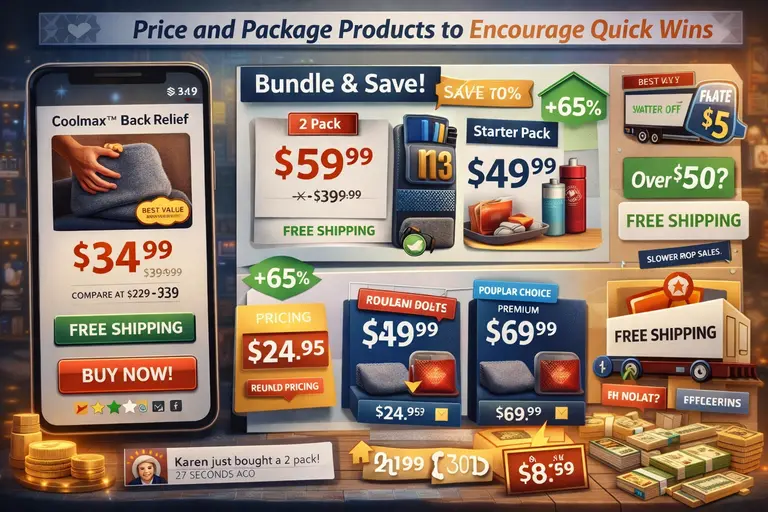
Pricing is one of the fastest levers you can pull when you start an online store.
You don’t need perfect margins on day one. You need momentum, confidence, and proof that people are willing to buy.
Competitive Pricing Without Racing To The Bottom
Competitive pricing doesn’t mean being the cheapest. It means feeling fair and familiar to the buyer.
When someone lands on your product page, they’re subconsciously asking, “Does this price make sense for what I’m getting?” If the answer is yes, they keep moving. If not, they bounce.
Here’s how I usually approach early pricing:
- Start within the common market range you validated earlier
- Anchor value with benefits, not discounts
- Avoid constant sales that train people to wait
A quick example. If similar products sell for $29–$39, launching at $34 with clear benefits feels safe. Launching at $19 can actually hurt trust, especially for problem-solving products.
From what I’ve seen, stores that underprice early often struggle to raise prices later. It’s easier to earn trust first, then optimize margins once sales data comes in.
Bundles And Offers That Increase Average Order Value
Bundles are one of my favorite shortcuts for faster revenue. They work because buyers already decided to purchase. You’re just helping them buy more.
Simple bundle ideas that convert well:
- Buy two, save a small amount
- Product plus accessory bundle
- Starter kits for first-time users
For example, if you sell a phone mount, offering a bundle with a charging cable increases order value without extra decision stress. The buyer already trusts the core product.
A good rule: bundles should feel helpful, not pushy. If the bundle solves a related problem, conversions usually rise without hurting trust.
Psychological Pricing Techniques That Improve Conversions
Pricing psychology isn’t manipulation. It’s alignment with how people naturally decide.
Techniques I’ve seen work consistently:
- Ending prices with .99 or .95 for impulse buys
- Using rounded prices for premium positioning
- Showing “most popular” options to guide choice
One small tweak I’ve used often is showing a higher-priced option next to your main product. Even if nobody buys it, it makes the main price feel more reasonable.
These small shifts don’t replace a good product, but they remove friction at the final decision point.
Shipping Strategies That Remove Checkout Hesitation
Shipping surprises kill checkouts. Even small fees can feel bigger than the product price itself.
Strategies that reduce hesitation:
- Free shipping baked into the product price
- Clear delivery timelines before checkout
- Flat-rate shipping instead of variable fees
In my experience, “Free shipping” converts better than “$5 off,” even when the math is the same. It feels simpler and safer.
If you’re early and margins are tight, test free shipping on orders over a certain amount. It encourages larger carts without forcing discounts.
Drive High-Intent Traffic Instead Of Waiting For SEO
SEO is powerful, but it’s slow. If you want sales faster, you need traffic that already wants to buy.
This section is about controlled traffic. Traffic you can turn on, test, and improve without waiting months.
Paid Ads That Work Best For New Online Stores
Paid ads get a bad reputation, but they’re incredibly useful when used simply.
For new stores, I focus on:
- Meta ads for impulse and problem-based products
- Google Shopping ads for high-intent searches
- Small daily budgets to test, not scale
You don’t need complex funnels. One clear product, one clear problem, one clear message.
I’ve seen stores get their first sales with $10–$20 per day simply because the product-message match was right. Ads don’t fix bad offers, but they expose good ones quickly.
Using Social Proof To Amplify Early Traffic Results
Traffic alone doesn’t convert. Proof does.
Even small amounts of social proof help:
- Early reviews from real customers
- User photos or short quotes
- Clear refund and support messaging
If you’re just starting, transparency builds more trust than pretending you’re established. Saying “New brand, focused on solving this one problem well” can outperform fake authority.
Social proof doesn’t have to be perfect. It just has to be real.
Influencer And UGC Tactics For Faster Trust Building
UGC means user-generated content. It’s simply real people using your product on camera.
You don’t need big influencers. In fact, smaller creators often convert better because they feel relatable.
What I look for:
- Creators who already talk about the problem
- Simple demo-style videos
- Honest reactions, not scripts
Sending free products in exchange for content can create assets you reuse across ads and product pages. One good video can outperform ten polished brand ads.
Retargeting Visitors Who Didn’t Buy The First Time
Most visitors won’t buy on their first visit. That’s normal.
Retargeting means showing ads to people who already visited your site. They’re warmer, cheaper, and more likely to convert.
Effective retargeting focuses on:
- Reminding them of the core benefit
- Addressing a common objection
- Keeping the message simple
In my experience, retargeting is where early profitability often appears, even when cold traffic breaks even.
Track Early Data And Optimize For Faster Sales Growth
Data doesn’t have to be complicated. When you start an online store, a few numbers tell you almost everything you need to know.
Key Metrics To Monitor In The First 30 Days
Early on, I ignore vanity metrics and focus on behavior.
Metrics that actually matter:
- Conversion rate
- Add-to-cart rate
- Checkout completion rate
- Cost per purchase
If people add to cart but don’t check out, that’s a pricing or trust issue. If nobody adds to cart, that’s an offer or traffic problem.
These signals tell you where to act, not just what to feel anxious about.
Identify Conversion Bottlenecks Using Simple Analytics
You don’t need complex tools. Basic platform analytics and Google Analytics are enough.
I like to map the customer journey:
- Product page views
- Add to cart
- Checkout started
- Purchase completed
Where most people drop off is your bottleneck. Fixing one bottleneck can double sales without more traffic.
This approach keeps optimization focused instead of overwhelming.
Test Small Changes That Lead To Immediate Gains
Big redesigns are risky early. Small tests are safer and faster.
Simple tests I’ve seen work:
- Changing headline clarity
- Adjusting price presentation
- Adding or moving trust elements
Test one change at a time. Give it enough traffic to matter. Then decide.
Optimization isn’t guessing. It’s listening to behavior.
Scale What Works Before Adding New Products
This is where many people sabotage momentum.
If one product is selling, resist the urge to add more immediately. Instead:
- Improve ads for that product
- Improve the product page
- Increase average order value
Scaling what already works is easier than starting from zero again.
Once you’ve proven a product sells, expansion becomes a strategy, not a gamble.

I’m Juxhin, the voice behind The Justifiable.
I’ve spent 6+ years building blogs, managing affiliate campaigns, and testing the messy world of online business. Here, I cut the fluff and share the strategies that actually move the needle — so you can build income that’s sustainable, not speculative.
Related posts:
 Ecommerce Store Guide: 7 Negative Pitfalls to Avoid
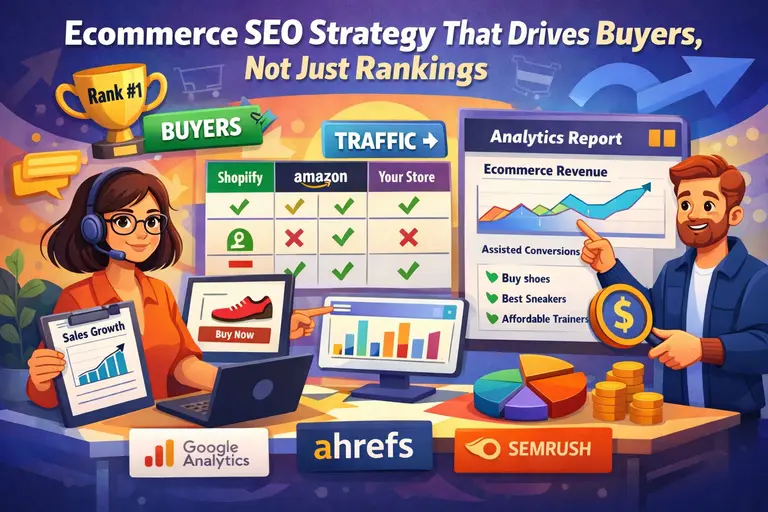
 How to Do SEO for eCommerce Website and Increase Sales
 How to Build an Online Dropshipping Business That Lasts
 Ecommerce SEO Strategy That Drives Buyers, Not Just Rankings
 How the Salehoo Catalog Helps You Spot Winning Items Quickly
 How to Sell on SaleHoo: A Simple Guide for New Sellers