
Table of Contents
Some links on The Justifiable are affiliate links, meaning we may earn a small commission at no extra cost to you. Read full disclaimer.
I’ve seen doba legit pop up again and again in dropshipping forums, usually from people who are unsure whether it’s a reliable platform or just another overhyped tool.
This breakdown is for beginners, side hustlers, and ecommerce sellers who are seriously considering Doba but want clarity before committing.
The main question answered here is simple: is Doba actually legit for dropshipping, or does it fall short once you look past the marketing?
Is Doba Legit Or Just Marketing Hype For Dropshippers
When people ask whether doba legit is a fair label, they’re usually trying to separate real operational value from polished marketing.
This section breaks down what legitimacy actually means in dropshipping and how Doba stacks up when you look closely.
What “Legit” Means In Dropshipping Platform Evaluation
When I think about legitimacy in dropshipping, I don’t think about hype, branding, or how clean the dashboard looks. I think about whether a platform consistently helps sellers fulfill orders without burning customer trust.
A dropshipping platform is generally considered legit if it delivers on a few non-negotiables:
- Suppliers actually ship products on time
- Inventory data is accurate enough to prevent overselling
- Pricing leaves room for profit after ads and fees
- Support exists when something breaks
In my experience, many tools fail not because they’re scams, but because they quietly shift risk onto the seller. Late shipments, out-of-stock items, or vague supplier accountability all land on you, not the platform.
Doba clears the basic legitimacy bar because it works with verified suppliers and processes real orders daily. That said, legitimacy doesn’t automatically mean it’s the right tool for every seller or business model.
How Doba Positions Itself Compared To Competitors
Doba positions itself as a supplier-first dropshipping network rather than a product discovery playground. That distinction matters more than it sounds.
Unlike AliExpress-style sourcing, where you hunt for individual sellers, Doba aggregates suppliers into one system. You’re not messaging factories or negotiating terms. You’re choosing from a controlled catalog with predefined pricing and shipping rules.
Their messaging leans heavily on ideas like:
- Access to US-based suppliers
- Centralized order management
- Reduced supplier vetting work
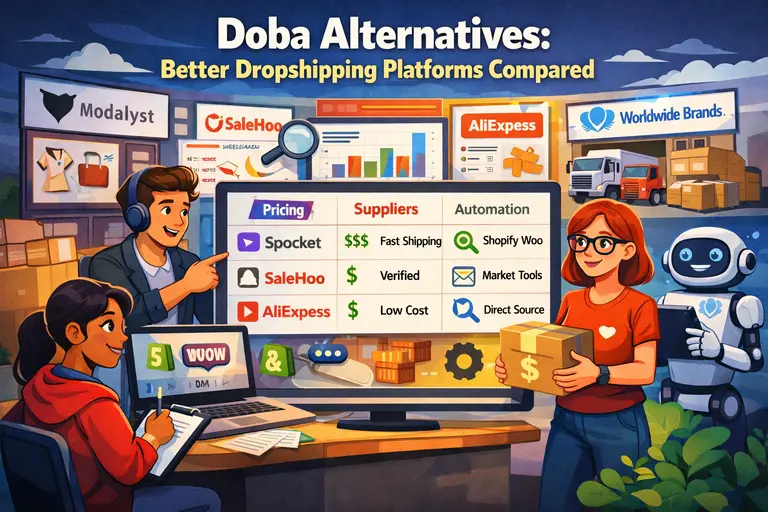
Compared to tools like Spocket or SaleHoo, Doba emphasizes structure over flexibility. From what I’ve seen, this appeals more to beginners who want fewer moving parts, not to sellers chasing fast product trends.
Common Claims Doba Makes And What To Scrutinize
Doba’s marketing makes a few big promises that deserve a closer look before you buy in.
Common claims you’ll see include:
- Thousands of pre-vetted suppliers
- Simplified dropshipping for beginners
- Faster shipping than overseas marketplaces
Here’s the nuance. While suppliers are vetted, that doesn’t guarantee consistent product quality across every category. Shipping is often faster than AliExpress, but it’s not always Amazon-fast. And simplicity sometimes comes at the cost of margin flexibility.
I suggest treating these claims as directional benefits, not guarantees. Doba does reduce friction, but it also standardizes the experience in ways that may limit customization later.
Red Flags Buyers Usually Worry About With Doba
Most concerns around whether doba legit comes down to risk, not fraud. These are the red flags I see come up repeatedly in seller discussions.
- Monthly subscription before you validate products
- Limited direct communication with suppliers
- Product prices that feel higher than expected
None of these are deal-breakers on their own. But together, they mean you need to be intentional. If you jump in without testing margins or understanding shipping timelines, Doba can feel underwhelming fast.
How Doba Actually Works For Real Dropshipping Stores
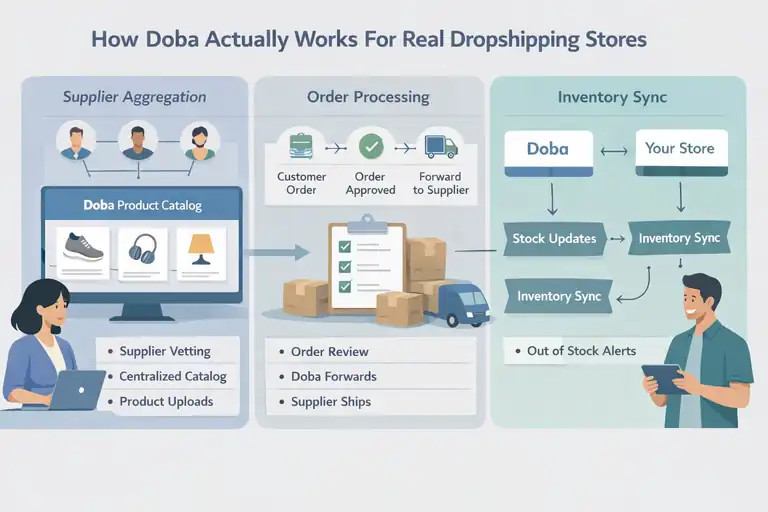
Understanding how Doba works behind the scenes makes it much easier to decide if it fits your workflow. This section walks through the mechanics without the marketing gloss.
Supplier Aggregation Model And How Products Are Sourced
Doba operates as a middle layer between you and suppliers. Instead of sourcing products one by one, you’re browsing a centralized catalog built from multiple manufacturers and distributors.
Here’s how sourcing works in practice:
- Suppliers apply to be listed on Doba
- Doba vets them for reliability and fulfillment capacity
- Approved suppliers upload product data into Doba’s system
You never negotiate directly with these suppliers. Doba controls the interface, pricing visibility, and order routing. This reduces chaos, but it also means less room for custom deals or white-label arrangements.
For sellers who value predictability over control, this setup can be a relief.
Order Fulfillment Process From Store To Customer
Once a customer places an order on your store, Doba handles the handoff to the supplier. You’re responsible for pushing the order through the system.
The basic flow looks like this:
- Customer places an order on your store
- You approve and submit the order inside Doba
- Doba forwards the order to the supplier
- Supplier ships directly to the customer
One thing I like is that you can review orders before submission. That extra step gives you a chance to catch address errors or stock issues before they become support tickets.
Shipping times vary by supplier, but most US-based shipments land within 3–7 business days.
How Inventory Sync And Stock Updates Function
Inventory accuracy is where many dropshipping tools quietly fail. Doba does a decent job here, but it’s not perfect.
Inventory updates are handled centrally:
- Suppliers update stock levels in Doba
- Doba syncs inventory to your connected store
- Out-of-stock items are flagged automatically
From what I’ve seen, this reduces overselling compared to AliExpress-based setups. However, updates are not always real-time. If you’re running high-volume ads, I still recommend keeping a buffer or pausing products with volatile stock.
Platform Workflow From Product Import To Delivery
The day-to-day workflow is straightforward, especially for newer sellers.
Typical workflow steps include:
- Search products inside Doba
- Push selected items to your store
- Set retail pricing manually
- Monitor orders and submit for fulfillment
The platform feels more operational than inspirational. You won’t find trend analytics or viral product scoring, but you will find repeatable processes that reduce mistakes.
Doba Pricing Plans And Whether The Cost Is Justified
Pricing is where many sellers pause and ask again if doba legit is worth paying for. Let’s look at what you’re actually buying.
Breakdown Of Doba Subscription Tiers And Features
Doba uses a subscription-based pricing model rather than charging per order. Plans typically scale based on usage limits and integrations.
While exact pricing can change, most plans include:
- Access to the supplier catalog
- Product search and export tools
- Order management dashboard
- Basic integrations with ecommerce platforms
Higher-tier plans usually unlock more product exports and automation features, but they don’t fundamentally change supplier access.
What You Actually Get At Each Pricing Level
What surprised me early on is that pricing tiers affect convenience more than capability.
Lower-tier plans are usable, but you may run into limits like:
- Fewer product exports
- Manual order handling
- Slower workflow at scale
Higher tiers remove friction, not restrictions. If you’re testing products, a lower tier can work. If you’re processing daily orders, the time savings of automation can justify the upgrade.
Hidden Costs Sellers Often Overlook At First
The subscription fee isn’t the only cost that matters.
Additional costs to factor in include:
- Higher wholesale prices than overseas suppliers
- Lower margin flexibility on competitive products
- App integrations that may require separate fees
I’ve seen sellers misjudge profitability because they focused only on the monthly fee. The real cost question is margin per order after ads, not just platform access.
Cost Comparison Against Other Dropshipping Tools
Here’s a simple comparison to put Doba in context:
| Platform | Monthly Cost Model | Supplier Type | Margin Flexibility |
| Doba | Subscription | Mostly US-based | Medium |
| Spocket | Subscription | US & EU | Medium–High |
| AliExpress | Free | Global | High but risky |
Doba is not the cheapest option, but it trades cost savings for operational stability. Whether that’s worth it depends entirely on your goals and experience level.
If you value fewer surprises over maximum margins, Doba can make sense. If you’re comfortable managing chaos to chase profit, it may feel restrictive.
Supplier Quality And Product Reliability On Doba
This is usually the make-or-break area when people ask if doba legit is a fair claim.
Supplier quality affects refunds, reviews, and long-term brand trust, so it deserves a realistic look rather than blind optimism.
How Doba Screens And Approves Its Suppliers
Doba doesn’t allow just anyone to list products. Suppliers go through an application and review process before being added to the platform.
Here’s what that screening generally covers in plain language:
- Proof that the supplier is a legitimate business
- Ability to fulfill orders consistently
- History of meeting shipping and handling standards
In my experience, this alone puts Doba ahead of open marketplaces where anyone can sell the same product with wildly different reliability. You’re not guessing whether a supplier will disappear next week.
That said, Doba’s approval process focuses more on operational legitimacy than brand-level excellence. You’re getting suppliers that can ship, not necessarily suppliers obsessed with premium packaging or luxury-level quality control.
Product Quality Control And Consistency Concerns
Doba does not physically inspect every item. Quality control is largely handled at the supplier level, which means consistency can vary between products.
What I’ve noticed sellers struggle with most:
- One product category performing well, another feeling underwhelming
- Small differences between product photos and real items
- Quality being acceptable, but not “wow”
This doesn’t mean products are bad. It means they’re practical, middle-of-the-road items. If you’re selling utility-focused products like home goods or office supplies, this is usually fine. If you’re trying to build a premium brand, you’ll feel the limits quickly.
Shipping Speed Expectations And Realistic Timelines
Shipping is one of Doba’s strongest points, especially compared to overseas sourcing.
Typical expectations look like this:
- US-based suppliers: 3–7 business days
- Some items ship even faster depending on warehouse location
- Tracking is usually available and reliable
From what I’ve seen, this alone reduces customer complaints dramatically. According to industry data, over 40% of ecommerce chargebacks are tied to shipping delays, so faster fulfillment directly protects your store.
Just don’t promise Amazon-level delivery unless you’ve tested the specific supplier first.
Branded Packaging And Customization Limitations
If branding is a priority, this is where Doba feels restrictive.
Most suppliers offer:
- Plain or generic packaging
- No custom inserts or branded boxes
- No white-label options
This makes Doba better suited for testing products or running simple stores rather than building a deeply branded ecommerce business.
You can still succeed, but you’ll be building trust through service and delivery speed, not packaging aesthetics.
Pros That Make Doba Legit For Certain Sellers
Doba isn’t for everyone, but for the right type of seller, it genuinely solves problems that other platforms create. This is where doba legit starts to feel like a yes instead of a maybe.
Centralized Supplier Access For Time-Strapped Sellers
The biggest advantage, in my opinion, is time savings. Everything lives in one dashboard.
Instead of juggling:
- Multiple supplier logins
- Email threads across time zones
- Manual spreadsheet tracking
You manage products, orders, and suppliers in one place. If you’re balancing a job, family, or multiple projects, this centralized access removes a lot of friction that burns people out early.
No Direct Supplier Outreach Required
If you’ve ever tried contacting suppliers directly, you know how messy it can get.
With Doba:
- No negotiating minimum order quantities
- No language barriers
- No waiting days for replies
This lowers the skill barrier dramatically. Beginners can focus on store setup, product pages, and marketing instead of supplier diplomacy.
I’ve seen many first-time sellers quit simply because supplier communication overwhelmed them. Doba removes that obstacle.
US-Based Supplier Availability Advantages
US-based suppliers are one of Doba’s most practical benefits.
Advantages include:
- Faster shipping
- Easier returns
- More predictable delivery windows
From a customer trust perspective, this matters. Studies show that faster delivery increases repeat purchase likelihood by up to 25%, which is huge if you’re trying to build something sustainable.
Built-In Tools That Simplify Early Store Setup
Doba isn’t flashy, but it’s functional.
Built-in tools help with:
- Product importing
- Order tracking
- Inventory monitoring
You’re not piecing together five different apps just to launch. For early-stage sellers, that simplicity can mean the difference between starting and stalling.
Cons That Make Sellers Question If Doba Is Legit
This is the part where honesty matters most. Doba’s weaknesses don’t make it a scam, but they do explain why some sellers walk away disappointed.
Limited Control Over Supplier Communication
You don’t talk directly to suppliers in most cases. Communication flows through Doba.
This means:
- Slower resolution for edge-case issues
- Less flexibility for special requests
- No relationship-building with suppliers
Advanced sellers often feel boxed in by this. If you’re used to negotiating or customizing workflows, Doba can feel restrictive rather than helpful.
Product Pricing Margins Compared To AliExpress
Margins are tighter on Doba, plain and simple.
Reasons include:
- Higher wholesale prices
- US-based fulfillment costs
- Platform subscription fees
While AliExpress can offer higher margins, it also comes with higher risk. Doba trades margin for predictability. Whether that’s worth it depends on your ad strategy and business goals.
Fewer Trend-Based Or Viral Product Options
If your strategy relies on chasing TikTok or Instagram trends, Doba may feel slow.
The catalog focuses more on:
- Evergreen products
- Practical items
- Consistent demand
You won’t find many experimental or hype-driven products. That’s great for stability, not so great for trend hunters.
Platform Learning Curve For First-Time Users
While simpler than many tools, Doba still has a learning curve.
New users often struggle with:
- Pricing correctly after fees
- Understanding order submission flow
- Testing products before committing
I usually suggest spending a full week exploring the platform before paying for ads. That small patience gap saves a lot of frustration later.
If you go in expecting magic, you’ll be disappointed. If you go in expecting a structured, reliable system, Doba starts to make much more sense.
Doba Vs Other Dropshipping Platforms Sellers Consider
Choosing between platforms is usually where the doba legit question becomes practical instead of theoretical.
This comparison focuses on how Doba actually performs against the tools sellers most often cross-shop.
Doba Vs Spocket For US And EU Supplier Access
Both Doba and Spocket emphasize domestic suppliers, but they approach it differently.
Doba leans heavily into US-based suppliers with a structured catalog. Spocket mixes US and EU suppliers and highlights faster shipping badges and branded invoicing.
Key differences I’ve noticed in real use:
- Doba offers broader supplier coverage but less brand customization
- Spocket provides more control over product presentation
- Spocket pricing often scales faster as you grow
If your priority is operational simplicity and supplier stability, Doba feels calmer. If you care about branded invoices and more visual product curation, Spocket usually wins.
Doba Vs AliExpress For Pricing And Product Variety
This is the most common comparison, and honestly, it’s not a fair fight unless you understand the trade-offs.
AliExpress excels at:
- Massive product variety
- Lower product costs
- Faster access to trends
Doba excels at:
- Faster shipping
- Fewer supplier reliability issues
- Less operational chaos
AliExpress gives you margin potential but shifts risk onto you. Doba reduces risk but tightens margins. I’ve seen sellers succeed with both, but rarely with the same mindset.
Doba Vs SaleHoo For Supplier Transparency
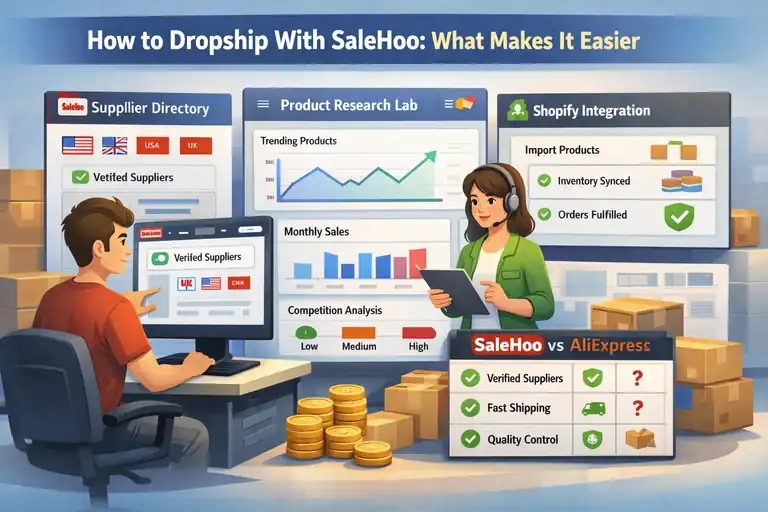
SaleHoo is often misunderstood. It’s more of a supplier directory than a fulfillment platform.
The main difference:
- Doba handles orders inside the platform
- SaleHoo helps you find suppliers, then you manage relationships
If you want transparency and direct supplier relationships, SaleHoo gives you that. If you want fewer emails, fewer mistakes, and centralized order flow, Doba feels easier to live with.
When Doba Makes More Sense Than Its Alternatives
From what I’ve seen, Doba makes more sense when:
- You value predictability over experimentation
- You want fewer supplier-related headaches
- You’re building something steady, not flashy
Here’s a quick comparison snapshot:
| Platform | Best For | Risk Level | Control |
| Doba | Stability-focused sellers | Low | Medium |
| Spocket | Brand-focused stores | Medium | Medium–High |
| AliExpress | Trend chasers | High | High |
Who Doba Is Legit For And Who Should Avoid It
This is where honesty matters most. Doba legit depends entirely on who you are and how you plan to run your store.
Beginners Wanting Structure Over Flexibility
If you’re new, Doba can feel like guardrails instead of limitations.
You get:
- Clear workflows
- Fewer decisions to mess up
- Lower chance of supplier disasters
I’ve seen beginners quit dropshipping not because marketing failed, but because logistics overwhelmed them. Doba reduces that mental load.
Sellers Focused On US Shipping Reliability
If your customers expect fast delivery, Doba helps meet that expectation.
US-based fulfillment leads to:
- Shorter delivery windows
- Fewer “Where is my order?” emails
- Higher trust on repeat purchases
This matters more than people think. Faster shipping alone can improve conversion rates by 10–20% in some niches.
Why Advanced Dropshippers May Feel Limited
Advanced sellers often feel constrained by Doba.
Common frustrations include:
- Limited supplier negotiation
- No custom packaging
- Standardized processes
If you enjoy building deep supplier relationships or pushing margins aggressively, Doba may feel like training wheels you’ve outgrown.
Store Types That Benefit Most From Doba
Doba works best for:
- General stores
- Niche utility products
- Evergreen product catalogs
It’s less suited for influencer brands, luxury positioning, or fast-moving trend stores.
Final Verdict On Whether Doba Is Legit Or Overhyped
After working through all angles, this is where I land on the doba legit question. It’s neither a miracle tool nor an empty promise.
Situations Where Doba Delivers Real Value
Doba delivers when:
- You want reliable fulfillment
- You prefer structure over flexibility
- You’re optimizing for fewer operational surprises
In these scenarios, it quietly does its job well.
Scenarios Where Expectations Often Fall Short
Expectations fall short when sellers assume:
- Margins will be high without testing
- Branding will be flexible
- Trends will be easy to chase
Doba doesn’t fail here; expectations do.
Key Factors To Decide If Doba Fits Your Goals
Before subscribing, ask yourself:
- Do I value speed or margin more?
- Do I want control or simplicity?
- Am I building a brand or a system?
Your answers usually make the decision obvious.
Smart Next Steps Before Paying For A Subscription
My personal suggestion is simple.
Pick three products you’d realistically sell. Compare pricing, shipping time, and margin across Doba and one alternative. Run the numbers before emotions get involved.
That small step will tell you more than any sales page ever could.
Frequently Asked Questions
Is Doba legit for dropshipping beginners?
Yes, doba legit applies for beginners who want a structured dropshipping system. Doba works with vetted suppliers, offers centralized order management, and reduces common beginner risks like unreliable shipping and supplier scams. It’s legit in operation, but not ideal if you expect high margins or full brand control.
Is Doba overpriced compared to other dropshipping platforms?
Doba is more expensive than AliExpress-style sourcing but cheaper in terms of time, risk, and customer support issues. You’re paying for US-based suppliers, faster shipping, and fewer fulfillment surprises, not for trend discovery or premium branding flexibility.
Who should avoid using Doba?
Advanced dropshippers focused on maximum margins, private labeling, or viral product testing may find Doba limiting. If your strategy relies on direct supplier negotiation or aggressive trend chasing, Doba will likely feel restrictive rather than empowering.

I’m Juxhin, the voice behind The Justifiable.
I’ve spent 6+ years building blogs, managing affiliate campaigns, and testing the messy world of online business. Here, I cut the fluff and share the strategies that actually move the needle — so you can build income that’s sustainable, not speculative.
Related posts:
 Doba for Beginners: What to Expect Before Signing Up
 Advantages of a Dropshipping Company: Genuine Business Knowledge
 Salehoo Directory Free: What You Can Access Without Paying
 How the Salehoo Catalog Helps You Spot Winning Items Quickly
 How to Dropship With SaleHoo: What Makes It Easier
 Doba Alternatives: Better Dropshipping Platforms Compared