Table of Contents
Some links on The Justifiable are affiliate links, meaning we may earn a small commission at no extra cost to you. Read full disclaimer.
If you’ve ever thought, “Can I really start my own blog and make money quickly?” — you’re not alone. Many people dream of turning their writing passion into income, but the path from starting a blog to earning money can feel confusing at first.
I’ve been there too, wondering if it’s possible to see results fast without spending months figuring it all out.
In this guide, we’ll walk through the exact steps to help you start your own blog strategically, monetize it efficiently, and avoid the beginner mistakes that slow most people down.
Choose a Profitable Blog Niche That Fits You
Finding the right niche is the foundation of building a blog that not only grows but also earns consistently.
From what I’ve seen, this is where most new bloggers either take off—or stall before they ever make a dollar.
Identify Topics With Real Earning Potential
Before you start writing, it’s worth asking: Will people actually spend money in this niche? A profitable niche is one that naturally attracts an audience willing to invest in products, tools, or solutions.
Here’s how you can identify those opportunities:
- Check buying intent keywords: Use Google search suggestions or tools like Ahrefs’ Keywords Explorer to spot terms like “best,” “review,” “how to,” or “top tools.” For example, “best budget camera for travel blogging” signals strong buyer intent.
- Explore affiliate program directories: Websites like Awin or Impact reveal which niches have active affiliate opportunities.
- Look at digital product trends: Platforms like Etsy (for printables) or Gumroad (for digital downloads) show what types of products sell well in each niche.
I suggest picking a niche that has multiple monetization options—like affiliate marketing, digital products, and sponsored content—so you’re not relying on one income source.
Validate Your Niche With Keyword Research Tools
I always tell beginners: never skip keyword research. It’s your way of testing if a niche has enough audience interest and search demand to sustain a blog long-term.
Here’s a simple validation workflow I use:
- Start with a seed topic (e.g., “personal finance for students”).
- Use Google Keyword Planner or Ubersuggest to find related keywords.
- Look at monthly search volume and competition levels.
- Aim for 1K–10K monthly searches for main keywords.
- Choose topics with medium competition for faster ranking potential.
- Check the SERP (Search Engine Results Page).
- Are top-ranking blogs small or massive brands?
- If you see smaller blogs ranking, that’s a green light.
This data-driven approach saves months of wasted effort and helps you focus on content that can actually rank and convert.
Combine Passion and Profit for Sustainable Growth
While profit potential matters, your passion will keep you consistent. Writing about something you enjoy prevents burnout, especially in the early months when traffic and earnings are low.
Ask yourself:
- Can I create 50+ posts about this topic without running out of ideas?
- Do I genuinely care about helping readers in this area?
- Would I still write about this if it took 6 months to make money?
I’ve found that the best-performing blogs come from a mix of personal interest and proven demand. For example, if you love fitness and see rising search trends for “home workouts,” that’s your sweet spot.
Avoid Oversaturated or Low-Profit Niches
Some niches are just too crowded or low-paying to be worth your time. For instance, “general lifestyle” or “travel blogging” without a unique twist can take years to monetize.
You can spot oversaturation by:
- Searching your main keyword on Google and seeing if every result is from a top-tier site.
- Checking ad competition levels in Google Keyword Planner—high CPC (cost-per-click) means advertisers already dominate that space.
Instead, niche down. For example:
- Instead of “fitness,” try “fitness for new moms.”
- Instead of “travel,” go for “solo travel for introverts.”
This micro-niche approach helps you stand out faster and connect with a more targeted, loyal audience.
Pick the Right Blogging Platform and Hosting Setup
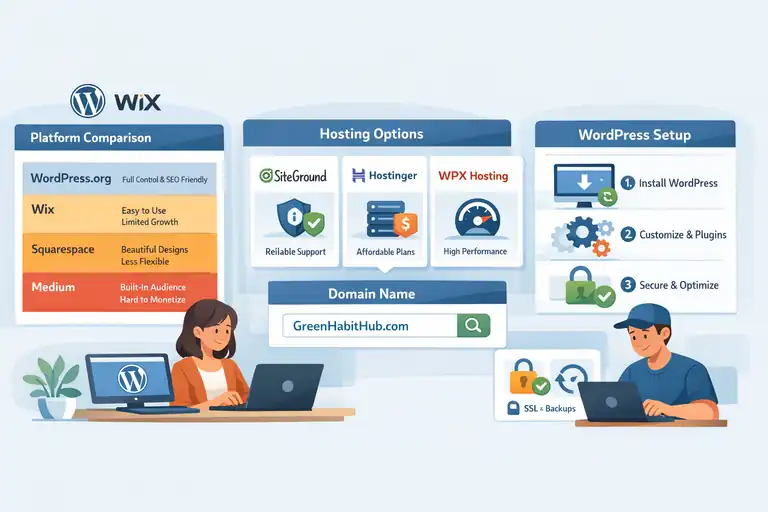
Once you’ve chosen your niche, your next step is setting up your blog’s home base.
The platform and hosting you choose affect everything—from how fast your site loads to how easily you can monetize it later.
Compare Popular Platforms Like WordPress and Wix
If you’re serious about blogging, I strongly recommend self-hosted WordPress.org. It’s the industry standard for a reason—it offers total control, scalability, and endless plugin options.
Here’s a quick comparison:
| Platform | Pros | Cons |
| WordPress.org | Full control, SEO-friendly, huge plugin library | Requires hosting & setup |
| Wix | Drag-and-drop builder, easy for beginners | Limited SEO control & growth potential |
| Squarespace | Great design templates | Less flexible for monetization |
| Medium | Built-in audience | Hard to monetize and customize |
If your goal is to start your own blog and make money, go with WordPress. Wix and Squarespace are fine for hobby sites, but they’ll limit your growth in the long run.
Choose a Reliable Hosting Provider for Speed and Security
Hosting is what keeps your blog live 24/7. I suggest using a provider known for uptime, customer support, and site speed.
Popular beginner-friendly hosting options include:
- SiteGround – Excellent customer support and security.
- Hostinger – Very affordable for first-time bloggers.
- WPX Hosting – Premium speed and performance for growing sites.
Pro tip: Choose a hosting plan that includes SSL certificates (for site security) and daily backups (for peace of mind).
Set Up a Custom Domain That Builds Brand Trust
Your domain name is your blog’s identity. It should be short, memorable, and reflect your niche.
For example:
- If your niche is sustainable living, something like GreenHabitHub.com works.
- Avoid numbers or hyphens—they look less professional.
You can register your domain directly through your hosting provider or services like Namecheap.
Simplify Installation and Basic Settings for Beginners
Most hosting providers now offer one-click WordPress installation, so setup takes less than 10 minutes.
Once installed:
- Log into yourdomain.com/wp-admin to access your dashboard.
- Delete sample pages and posts (like “Hello World”).
- Install an SEO plugin (like Rank Math) and a caching plugin (like WP Rocket) for performance.
These basics ensure your blog runs smoothly from day one and is ready for search engine visibility.
Design a Clean, Reader-Friendly Blog Layout
Your blog design is what keeps readers around. A cluttered or slow layout will drive people away before they even finish your first post.
Select Themes That Enhance Readability and Speed
When choosing a theme, focus on simplicity. A clean design not only improves user experience but also boosts SEO.
I recommend lightweight themes like:
- GeneratePress or Astra – Fast, customizable, and mobile-friendly.
- Kadence Theme – Great visual builder without slowing down your site.
Avoid overly graphic-heavy themes—they may look nice but hurt loading speed. Remember: faster sites keep visitors longer and rank higher.
Customize Branding Elements Without Overcomplicating Design
Your brand identity should be clear but not overwhelming. Use consistent fonts, color palettes, and logo placement.
Here’s a simple setup I like:
- Header: Clean logo + clear navigation menu.
- Sidebar: Minimal—just an “About Me” widget and a newsletter sign-up.
- Footer: Include privacy policy, contact info, and links to key posts.
A cohesive design helps readers instantly recognize your blog and builds trust over time.
Ensure Mobile Optimization for Better Engagement
Over 60% of blog traffic today comes from mobile devices. That means your design must adapt perfectly to small screens.
Test your site using Bing’s Mobile-Friendly Test tool. Make sure:
- Text is readable without zooming.
- Buttons are large and spaced properly.
- Images resize automatically.
Mobile optimization also improves dwell time and reduces bounce rate—two major SEO signals.
Improve User Experience Through Simple Navigation
Good navigation keeps visitors exploring your content longer.
Here’s what I recommend:
- Use a sticky menu so users can access your main pages anytime.
- Add a search bar at the top for easy topic lookup.
- Link related posts within articles using “You might also like” suggestions.
In short, your goal is to make visitors feel at home—like every click leads to something genuinely helpful.
Create High-Value Content That Attracts Readers
If you want your blog to grow fast, focus on value before volume. It’s not about publishing every day—it’s about publishing content that solves real problems better than anyone else.
That’s how you attract loyal readers and start building authority from day one.
Plan Content Around Search Intent and Reader Problems
When planning your posts, always start with why someone is searching. Every keyword represents a need—your job is to meet that need clearly and completely.
Here’s what I usually do before writing any blog post:
- Search the keyword on Google and read the top 3 results. Look at what questions they answer—and what they don’t.
- Check “People Also Ask” boxes and related searches at the bottom of Google. These reveal real reader pain points.
- Create a post outline that addresses each key question directly.
Let’s say you’re starting a fitness blog and want to target “how to lose belly fat after 40.” Your content shouldn’t just explain “exercise tips”—it should break down metabolism changes, diet tweaks, and hormone factors specific to that age group.
By aligning every post with search intent, you make Google and readers happy at the same time.
Use SEO Techniques to Boost Organic Traffic
SEO isn’t just for experts—it’s simply about making your content easy to find and understand.
I suggest focusing on three main areas:
- On-page optimization: Use your main keyword naturally in the title, first paragraph, and one H2. Sprinkle related terms like synonyms or questions throughout the post.
- Internal linking: Link to your own related posts to keep readers exploring your blog. It helps SEO and builds topical authority.
- Visual optimization: Compress images before uploading (use free tools like TinyPNG) and add descriptive alt text like “homemade vegan smoothie bowl.”
I also recommend installing an SEO plugin such as Rank Math or Squirrly SEO. They guide you through optimizing your title tags, meta descriptions, and readability without needing to know code.
A small but effective step? Write meta descriptions that sound human. Instead of just keyword-stuffing, summarize what readers will gain by clicking.
Balance Educational and Engaging Blog Posts
A good blog teaches—but a great blog connects. Even if your niche is technical, people stick around when the content feels relatable.
Try using this formula for balance:
- Educational: Explain a clear, actionable solution. (Example: “Here’s how to set up a free Canva template for Instagram graphics.”)
- Engaging: Add your personality—maybe a quick story about how you learned this or a funny mistake you made.
For instance, when I first started writing SEO tutorials, I used to sound too robotic. Once I began writing like I was explaining things to a friend over coffee, engagement shot up.
Readers trust people, not faceless blogs. Your personality is part of your brand—don’t hide it.
Write Compelling Headlines That Drive Clicks
Headlines make or break your post. Even the most valuable article won’t get read if the headline doesn’t spark curiosity.
Here’s what works best for me:
- Use power words: words like “simple,” “proven,” “step-by-step,” and “practical” signal value.
- Add numbers: “10 Practical Ways to Improve Your Sleep Quality” always outperforms “How to Sleep Better.”
- Include results or benefits: Instead of “How to Write Blog Posts,” try “How to Write Blog Posts That Rank and Get Shared.”
If you want help testing headlines, use tools like CoSchedule Headline Analyzer. It scores emotional impact and readability before you even publish.
Remember: a great headline promises clarity, not hype.
Build an Email List From the Very Start
Your email list is your most valuable asset—it’s the one audience you truly own. Social media algorithms change, but an engaged list of subscribers gives you consistent traffic and income.
Offer a Simple Lead Magnet to Capture Emails
A lead magnet is a small, free resource that encourages visitors to subscribe. It should solve one specific problem for your target reader.
Some examples I’ve used or seen work well:
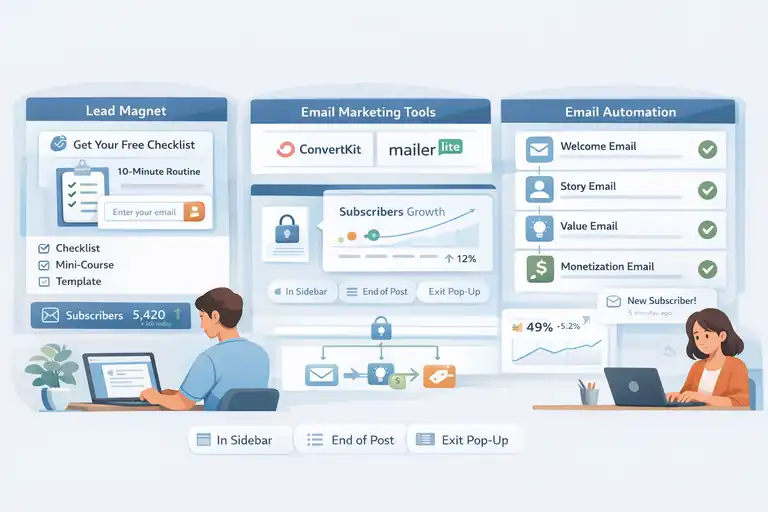
- A short checklist (like “10-Minute Morning Blog Routine”).
- A free mini-course (delivered over 3 days via email).
- A downloadable template (budget tracker, content planner, etc.).
Make your opt-in form easy to find. I recommend using tools like Aweber or MailerLite to create simple pop-ups or embedded forms that match your blog’s design.
Place these forms strategically: at the end of posts, in the sidebar, and occasionally as an exit pop-up.
Use Email Marketing Tools to Automate Follow-Ups
Automation saves time and builds stronger relationships. Once someone joins your list, send a short welcome sequence—3 to 5 emails that introduce your blog and share your best content.
Here’s a simple sequence I often use:
- Welcome Email: Thank them for subscribing, and deliver the lead magnet.
- Story Email: Share a short personal story or challenge you’ve faced.
- Value Email: Offer quick tips or link to your most helpful post.
- Monetization Email: Gently introduce a paid product or affiliate offer.
- Most email platforms like Getresponse, MailerLite, and ActiveCampaign have automation builders. You can literally drag and drop each step.
It’s worth taking time to write these emails like you’re talking to a friend—not pitching.
Nurture Subscribers With Consistent, Helpful Updates
Consistency builds trust. Even if you send one email a week, stick to that schedule. Readers appreciate reliability more than frequency.
A few tips I use:
- Write like you’re emailing one person, not a crowd.
- Share quick wins or personal insights, not just links to new posts.
- Occasionally ask a question to invite replies—it boosts engagement.
For example, I once ended an email with, “What’s the biggest thing holding you back from publishing your next post?” The replies helped me create three new articles that month.
Turn Loyal Readers Into Paying Customers
Once you’ve built trust, monetization becomes natural. You don’t have to “sell hard”—just recommend products or services you genuinely believe in.
Here are some gentle approaches:
- Affiliate links: Share tools you use and explain how they help.
- Own products: Create digital products based on reader feedback.
- Exclusive offers: Give subscribers early access or discounts.
The key is authenticity. Readers can tell when your goal is to help, not just sell—and that’s what keeps them coming back.
Monetize Your Blog With Multiple Income Streams
You’ve built your foundation—now it’s time to earn from your blog. I believe the smartest strategy is diversification. Don’t rely on one method; instead, combine several that align with your niche and audience.
Use Affiliate Marketing to Earn Commissions
Affiliate marketing is one of the easiest ways to start earning. You promote products you trust and earn a commission when someone buys through your link.
To start:
- Join affiliate networks like Amazon Associates, Flexoffers, or Impact.
- Choose products that fit naturally into your content.
- Write tutorials or comparisons that genuinely help readers choose.
For example, if your blog is about photography, write a post like “My Top 5 Budget Cameras for Beginner Travel Bloggers.” Add your affiliate links where relevant—but only after explaining why each product is worth it.
I advise being transparent. Always add a short disclosure line (e.g., “This post contains affiliate links, which means I may earn a small commission at no extra cost to you”).
Sell Digital Products Like Ebooks or Online Courses
Creating your own products gives you full control and higher profit margins. Digital products work well because you make them once and sell them repeatedly.
Here are great starter ideas:
- Ebook: Example—“The Beginner’s Guide to SEO for Food Bloggers.”
- Template pack: Pre-made Canva templates for content planning.
- Mini-course: 3–5 lessons teaching a skill your readers ask about often.
You can host these on Gumroad, Podia, or Teachable. These platforms handle payments, delivery, and refunds automatically—so you can focus on marketing and creating.
The key is to create something your audience is already asking for. Use your email replies or blog comments as idea goldmines.
Offer Sponsored Posts and Brand Collaborations
Once your blog has consistent traffic (even 10K+ monthly visitors), brands may start reaching out for partnerships.
I suggest creating a media kit—a one-page PDF showing your blog stats, audience demographics, and past collaborations. You can design it easily in Canva.
When pitching to brands:
- Choose companies that align with your niche and values.
- Be clear about what you offer—blog posts, reviews, or social mentions.
- Always negotiate fair compensation.
Sponsored posts can pay anywhere from $100 to $2,000+ depending on your reach and niche authority.
Display Ads Strategically Without Hurting User Experience
Display ads are a good passive income source once your blog gains traffic. But placement matters—too many ads can ruin the reading experience.
For beginners, I recommend:
- Google AdSense if you’re under 10K monthly visitors.
- Mediavine or Raptive (AdThrive) once you cross 50K sessions per month.
Keep ads away from text-heavy areas and use them sparingly in sidebars or between sections. I believe a good balance is one ad per 500 words of content.
It’s not the fastest earner, but ads become meaningful once your traffic scales.
Pro Tip: As your blog grows, track which income stream brings the best return. Double down on what works, and refine what doesn’t. Sustainable income is about focus—not trying to do everything at once.
Drive Traffic Fast Using Smart Promotion Strategies
Getting your first readers can feel like a slow climb, but with the right promotion strategies, you can build momentum much faster.
I believe in working smarter here—choosing a few traffic sources that deliver consistent results rather than spreading yourself too thin across every platform.
Leverage Pinterest and Social Media for Early Traffic
Pinterest is one of the most underrated traffic drivers for new blogs. It’s not a social network—it’s a visual search engine. This means your content can appear in front of readers weeks or even months after posting, which is great for compounding traffic.
Here’s what I recommend:
- Create fresh pin designs for each blog post using Canva (templates make this super quick).
- Write keyword-rich pin titles and descriptions. For example, if your post is about budget travel, include terms like “cheap travel tips” or “affordable destinations.”
- Join Pinterest group boards or Tailwind Communities to get your pins seen faster.
Beyond Pinterest, pick one or two social platforms where your audience actually hangs out.
For example:
- Instagram works great for lifestyle and personal brands.
- Twitter (X) helps share insights, threads, and build professional connections.
- LinkedIn is perfect if your niche involves business or career advice.
The key is consistency. I’d rather see you post twice a week with purpose than ten times with no strategy.
Network With Other Bloggers for Cross-Promotion
Blogging doesn’t have to be a solo game. Networking with others in your niche can multiply your visibility fast.
Here’s what’s worked for me:
- Comment on related blogs: Leave thoughtful, value-driven comments—not “Great post!” but something that adds to the discussion.
- Collaborate on round-up posts: These are articles where multiple bloggers contribute insights on one topic. They drive mutual backlinks and exposure.
- Share each other’s posts: A simple mention in a newsletter or tweet can introduce your blog to hundreds of new readers.
You can also join Facebook groups or Slack communities where bloggers exchange guest posting or backlink opportunities. It’s a friendly, effective way to build both relationships and authority.
Repurpose Blog Posts Into Short-Form Content
Repurposing turns one strong piece of content into multiple traffic sources. I do this regularly—it’s one of the fastest ways to stay visible without constantly creating new posts.
Here’s a breakdown:
- Turn a blog post into a carousel for Instagram or LinkedIn by summarizing key takeaways.
- Convert tips into tweets or threads on X (Twitter).
- Record a short video or Reel highlighting 2–3 major points from your article.
If you use tools like Notion or Trello, create a simple workflow: blog post → short clip → Pinterest pin → newsletter snippet. This system keeps your content alive long after you hit publish.
Guest Post on High-Traffic Sites to Build Authority
Guest posting remains one of the most reliable strategies to grow your traffic and domain authority. It also helps you build trust faster since you’re being featured on reputable platforms.
Here’s how to do it strategically:
- Find blogs in your niche that accept guest posts (search Google for “write for us + [your niche]”).
- Study their tone and content gaps. Pitch something that complements—not duplicates—their topics.
- Include 1–2 internal links to their existing content and one link back to your best blog post or lead magnet.
I suggest starting with mid-sized blogs rather than giant ones—they’re more responsive and still offer valuable backlinks. Once your name appears on several reputable sites, your own blog will gain more trust and organic traffic.
Track Performance and Optimize for Faster Growth
Data is your compass. Without tracking, it’s easy to waste time on what feels right instead of what’s actually working. I like to keep analytics simple: track a few core metrics and improve based on those insights.
Use Google Analytics to Identify Best-Performing Content
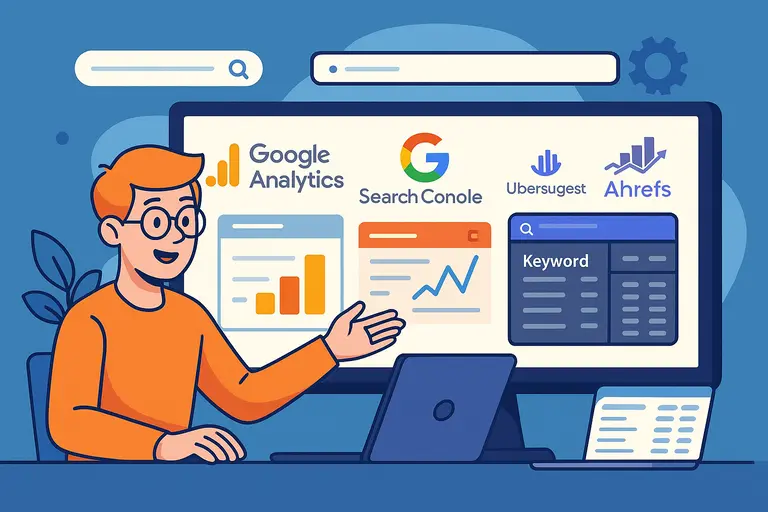
Google Analytics (or GA4) gives you a free window into how visitors interact with your blog.
Here’s what I focus on:
- Top-performing posts: Check which pages get the most traffic.
- Average engagement time: Indicates how long readers stay.
- Traffic sources: Shows where your visitors come from (Google, Pinterest, email, etc.).
For example, if you notice your “Beginner SEO Tips” post drives most of your traffic, create related posts like “SEO Tools for Bloggers” or “SEO Mistakes to Avoid.”
Use this insight to double down on what’s working and trim what’s not.
Test Different Monetization Strategies for Higher ROI
Not every income stream performs equally in every niche. I recommend experimenting to find what gives you the best return.
You can run simple A/B tests by:
- Trying different affiliate placements (in-text vs. callout boxes).
- Offering two versions of a digital product at different price points.
- Comparing email opt-in incentives to see which converts better.
Track these metrics monthly in a spreadsheet. Over time, you’ll see clear trends—and that’s when you can confidently scale what works.
Refresh Old Content to Maintain Search Rankings
Your older posts can lose traffic if they become outdated. Regularly updating them keeps your blog relevant and search-friendly.
Here’s how I handle updates:
- Check for outdated stats or broken links. Replace them with fresh sources.
- Add internal links to your newer posts.
- Update the publish date (if appropriate) to signal freshness to Google.
I’ve seen refreshed posts jump back to the first page within weeks. It’s one of the easiest, most overlooked SEO wins.
Focus on Consistency Over Overnight Success
Blog growth is gradual—it’s not about going viral overnight but showing up consistently. Every post, pin, and email compounds over time.
Here’s what helps:
- Set realistic goals, like publishing two posts a month.
- Track small milestones, not just big ones.
- Remind yourself: each reader gained today is a seed for tomorrow’s audience.
In my experience, consistency doesn’t just build traffic—it builds trust. Readers notice when you keep showing up.
Avoid Common Blogging Mistakes That Slow Progress
Every blogger hits roadblocks, but most are avoidable once you know what to look for.
I’ve made many of these mistakes myself, and learning from them early will save you months of frustration.
Don’t Chase Every Trend or Monetization Method
The blogging world moves fast, and it’s tempting to try every new platform or income trick. But spreading yourself too thin dilutes your focus.
Instead, choose one or two strategies that align with your audience.
For example, if your readers love tutorials, focus on affiliate marketing and digital guides—not flashy trends like NFTs or crypto blogs (unless that’s your niche).
The fastest progress often comes from deep focus, not broad effort.
Avoid Keyword Stuffing and Weak SEO Practices
SEO should make your content sound natural—not robotic. Overusing your keywords can hurt rankings and turn readers off.
Here’s a quick check:
- If your keyword appears more than once per 100 words, it’s likely too much.
- Replace duplicates with synonyms or related terms.
- Focus on answering questions clearly instead of chasing keyword density.
I always write first for the reader, then lightly optimize for Google. That simple shift makes a big difference.
Stay Consistent Even When Traffic Starts Slow
It’s completely normal to see low numbers in your first few months. I remember celebrating my first 100 views—it felt small, but it meant people were reading.
To stay consistent:
- Set weekly goals (like “publish one post” or “schedule three Pinterest pins”).
- Use tools like Trello or ClickUp to organize content ideas.
- Keep reminding yourself that slow growth is still growth.
Every successful blogger you admire started with zero.
Keep Learning and Updating Your Blogging Skills
Blogging evolves constantly—algorithms, tools, and reader behavior all change. Staying current is part of staying relevant.
A few habits that help me:
- Listen to podcasts like The Blogging Millionaire or ProBlogger.
- Take short courses on Skillshare or Udemy.
- Follow Google’s official Search Central blog for SEO updates.
Learning keeps your strategy fresh and your motivation strong.
Pro Tips to Start Earning From Your Blog Quickly
I want to wrap this up with a few tips that helped me see early results—not overnight success, but measurable growth that built confidence and income.
Focus on One Monetization Method at a Time
It’s tempting to try everything—ads, affiliates, products—but that usually leads to burnout. I recommend mastering one method first.
For example, if you start with affiliate marketing, spend a few months creating tutorials and comparison guides around products you use. Once it’s earning consistently, then add digital products or sponsorships.
Simplicity creates faster progress.
Prioritize Building a Loyal, Targeted Audience
A smaller, engaged audience always outperforms a big, passive one. Focus on readers who genuinely care about your niche.
Ways to nurture loyalty:
- Send a personal email after someone subscribes.
- Share behind-the-scenes stories or lessons learned.
- Respond to comments or messages—real connection builds real loyalty.
When people feel seen, they stay.
Reinforce Your Niche Authority Through Expert Content
Becoming known as an expert takes time, but you can speed it up by publishing pillar posts—long, detailed guides that others naturally link to.
Examples include:
- “The Ultimate Beginner’s Guide to Home Fitness”
- “Complete SEO Checklist for Small Bloggers”
Add charts, screenshots, and stats to make these posts stand out. The more useful and detailed your content, the more trust (and backlinks) you’ll earn.
Stay Patient—Shortcuts Rarely Lead to Long-Term Profit
There’s no hack for genuine success. Real blogging income grows from time, consistency, and care for your audience.
Think of your blog like planting a garden: it needs nurturing, time, and regular pruning before it bears fruit.
The results will come, especially if you keep improving, learning, and showing up with purpose.
Pro Tip: Celebrate every small milestone—your first post, first comment, first $10 earned. These small wins keep you motivated while your long-term success builds quietly in the background.
FAQ
How can I start my own blog quickly?
To start your own blog quickly, choose a niche, buy a domain, and set up a WordPress site using a reliable host like SiteGround or Hostinger. Then publish 3–5 quality posts before promoting on social media.
How long does it take to make money from a new blog?
Most bloggers start earning within 3 to 6 months if they post consistently, use SEO strategies, and monetize through affiliates or ads. The timeline depends on traffic growth and niche profitability.
What’s the easiest way to make money after I start my own blog?
Affiliate marketing is the easiest way to start earning. Write product reviews, add referral links, and share real experiences to build trust and generate steady income.

I’m Juxhin, the voice behind The Justifiable.
I’ve spent 6+ years building blogs, managing affiliate campaigns, and testing the messy world of online business. Here, I cut the fluff and share the strategies that actually move the needle — so you can build income that’s sustainable, not speculative.