
Table of Contents
Some links on The Justifiable are affiliate links, meaning we may earn a small commission at no extra cost to you. Read full disclaimer.
Freelance affiliate marketing has become one of the most realistic ways to build a steady stream of passive income while maintaining control over your schedule and lifestyle.
But how do freelancers actually turn affiliate links into consistent earnings instead of occasional commissions?
In this guide, we’ll break down the strategies, systems, and tools that make it possible to create a reliable affiliate income that grows over time—without needing to work around the clock.
Understanding How Freelance Affiliate Marketing Works
Freelance affiliate marketing is more than just promoting links—it’s a system where your expertise and audience meet affiliate partnerships that reward you for driving results.
Let’s break down what makes it unique, how the passive income part really happens, and the myths that stop freelancers from taking it seriously.
What Makes Freelance Affiliate Marketing Different From Traditional Affiliate Marketing
Traditional affiliate marketers often focus purely on building niche sites or running paid ads. Freelance affiliate marketers, however, use their personal brand, expertise, and client work to drive affiliate sales naturally.
For example, a freelance web designer might recommend hosting platforms like WPengine or Hostinger to clients and earn commissions when those clients sign up. The difference lies in trust.
Freelancers already have credibility and direct relationships with their audience or clients—so conversions tend to be higher without needing aggressive marketing.
I suggest thinking of it as relationship-based affiliate marketing, not traffic-based. You’re not just chasing clicks—you’re building influence that multiplies over time.
How Passive Income is Created Through Affiliate Partnerships
Affiliate income becomes passive once you set up systems that generate revenue automatically.
For freelancers, this can happen through:
- Evergreen content: Blog posts, YouTube videos, or online courses that include affiliate links and continue to earn after being published.
- Client recommendations: When your clients use your affiliate links for tools or services they need.
- Email funnels: Automated email sequences promoting relevant products.
For example, a freelance copywriter might create a free email course on “writing high-converting sales pages” that includes affiliate links to writing tools like Grammarly or Jasper.
Once it’s set up, it can run indefinitely and earn commissions passively.
I believe the key is creating assets that work for you while you sleep.
Common Misconceptions About Affiliate Marketing for Freelancers
There’s a lot of noise around affiliate marketing, and freelancers often dismiss it because of common myths:
- Myth 1: You need a huge following. Reality: You need a targeted following. Ten engaged readers beat a thousand indifferent ones.
- Myth 2: Affiliate marketing is passive from day one. Reality: It starts active—research, testing, content creation—then turns passive once systems are built.
- Myth 3: It’s only for bloggers. Reality: Designers, consultants, and virtual assistants can all integrate affiliate links in their workflows and content.
Once you drop these misconceptions, you’ll see affiliate marketing as a natural extension of your freelance business, not a separate side hustle.
Choosing the Right Niche for Sustainable Affiliate Income
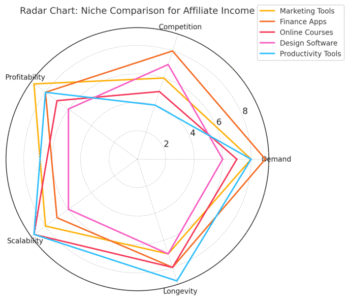
Choosing a profitable niche is the foundation of sustainable freelance affiliate marketing.
It affects everything—from the type of content you create to the programs you promote and the audience you attract.
How to Identify High-Demand Niches With Low Competition
Start by asking: What problems can I help solve that people are already paying for?
Use keyword research tools like Ahrefs or Ubersuggest to look for niches with:
- Consistent search volume (2,000–10,000 monthly searches is ideal for freelancers starting out).
- Low to medium keyword difficulty—meaning you can rank content faster.
- Commercial intent keywords—searches like “best email marketing tools” or “cheap website hosting.”
I recommend choosing a niche aligned with your skills. If you’re a freelance marketer, for example, affiliate offers around tools like Kit (formerly ConvertKit) or Canva Pro make sense.
Evaluating Profitability and Long-Term Scalability
A good niche isn’t just profitable—it’s stable. Avoid fads that disappear overnight. Look for industries that evolve and keep demand steady, like SaaS (software as a service), finance, health, or online education.
Evaluate each niche using three filters:
- Product depth: Are there enough products to promote?
- Audience size: Is the market growing or shrinking?
- Commission potential: Do programs offer recurring commissions or one-time payouts?
I’ve seen freelancers thrive in “tools and productivity” niches because they offer recurring revenue opportunities and constant new product launches.
Examples of Lucrative Niche Categories for Freelancers
Here are a few proven niches freelancers can explore:
- Website and Hosting Services: Promote Bluehost, Namecheap, or WPX Hosting if you work in web design.
- Freelancing Tools: Tools like Fiverr Workspace, Notion, or Toggl help freelancers streamline operations.
- Online Education Platforms: Recommend Skillshare, Teachable, or Coursera if you create educational content.
- Digital Marketing Software: Promote SEMrush, Surfer SEO, or MailerLite if you’re in marketing.
Each of these has strong search demand and solid affiliate programs with transparent dashboards and long cookie durations—meaning your earnings stack up over time.
Finding Reliable Affiliate Programs That Pay Well
Once your niche is clear, the next step is choosing the right affiliate programs. A well-paying program with transparent terms can make a big difference in your overall income.
How to Research and Compare Affiliate Networks
Affiliate networks act as middlemen between affiliates and brands. Examples include Awin, Flexoffers, and Impact Radius.
When comparing them, check for:
- Commission rates (typically 10–40%).
- Cookie duration (how long after a click you get credit for the sale).
- Payout thresholds and frequency.
Here’s a quick example: Awin often has 30-day cookies and pays monthly, while Impact allows flexible payout methods and supports recurring commissions.
I suggest signing up for multiple networks but focusing your efforts on the ones with products you genuinely use.
Understanding Commission Structures and Cookie Durations
Commission structures vary widely:
- Flat-rate: You earn a fixed amount per sale (e.g., $50 per signup).
- Percentage-based: You earn a percentage of the sale (e.g., 30%).
- Recurring: You keep earning as long as the customer stays subscribed (common in SaaS).
Cookie duration determines how long you can earn after someone clicks your link. A 30-day cookie means if the buyer returns within that window, you still get paid.
I always prefer programs with at least 60-day cookies—it’s a safety net for slower purchase decisions.
Best Affiliate Programs for Freelancers to Start With
If you’re starting freelance affiliate marketing, these programs are beginner-friendly, reliable, and profitable:
- Fiverr Affiliates: Ideal for freelancers recommending creative or technical services.
- Canva Pro: Perfect for designers or social media managers creating content tutorials.
- Mailerlite: Great for writers and marketers who teach email strategy.
- Skillshare: Excellent for freelancers promoting online education and upskilling.
- Hostgator or Bluehost: Perfect for web developers recommending hosting to clients.
I recommend starting with 2–3 programs related to your daily work. That way, your promotions feel natural, and your audience trusts your recommendations.
Building an Audience That Converts

You don’t need millions of visitors to make freelance affiliate marketing work—you need the right audience that trusts you. A smaller, engaged group of followers will always outperform a large, uninvested one.
Let’s explore how to build that trust, create content that converts, and use email marketing to turn attention into income.
Why Audience Trust Is More Important Than Traffic
High traffic looks good on paper, but trust is what gets people to click affiliate links and make purchases. When someone believes your recommendations come from experience—not sales pressure—they buy without hesitation.
Here’s how to build that kind of trust:
- Be transparent: Always disclose affiliate links. It shows integrity.
- Show real results: Share screenshots, testimonials, or personal use cases. For example, show your Canva design exports or your website built on SiteGround.
- Stay consistent: Publish regularly so your audience sees you as reliable.
I believe it’s better to have 500 people who listen to your advice than 50,000 who scroll past your links. Think of trust as your invisible currency—it compounds faster than any ad spend ever could.
Creating Content That Naturally Integrates Affiliate Links
The goal isn’t to “insert” affiliate links—it’s to blend them so naturally that they become part of the story. When readers come for value, the link feels like the logical next step, not a sales pitch.
Practical examples that work well:
- Tutorials: “How I Build Client Websites Using Elementor” (and include your affiliate link for Elementor).
- Tool Comparisons: “Omnisend vs. Aweber– Which Fits Freelancers Better?”
- Case-Based Posts: “How I Automated My Invoicing With Fiverr Workspace.”
The key is to recommend what you actually use. If you’re a copywriter, talk about the writing process using Jasper AI or Grammarly; if you’re a designer, discuss mockups with Canva Pro. People can tell when you’re being real.
I suggest you aim for a value-first structure: teach, demonstrate, then recommend. That flow keeps your content authentic and persuasive without crossing into hard-selling territory.
Using Email Marketing to Nurture and Convert Leads
Your email list is where casual readers turn into loyal buyers. Unlike social media, where algorithms control reach, your list is yours—and it’s the best tool to sustain affiliate sales over time.
Here’s a quick way to make it work:
- Create a lead magnet: Offer a free resource like “10 Tools I Use to Run My Freelance Business.”
- Use a reliable platform: I recommend ConvertKit—it’s simple to use, with automation features that let you tag subscribers based on interests.
- Send educational sequences: Share how you use certain tools or services. Include affiliate links only after you’ve provided clear value.
An example: a web designer could create a 5-day email series teaching “How to Build a Simple Client Website in WordPress,” ending with a hosting affiliate recommendation.
Once it’s set up, it runs automatically—a small passive system that grows with every subscriber.
Leveraging Freelance Skills to Enhance Affiliate Marketing
Freelancers have an advantage in affiliate marketing: they already understand how to solve problems and deliver results.
When you align those same skills with affiliate promotions, you turn expertise into scalable income.
How Writers, Designers, and Marketers Can Monetize Their Expertise
Each freelance discipline opens unique affiliate opportunities:
- Writers: Recommend content tools like Jasper, Grammarly, or Surfer SEO. Write blog posts explaining your workflow.
- Designers: Promote platforms such as Canva Pro or Adobe Creative Cloud through design tutorials.
- Marketers: Suggest automation tools like ActiveCampaign or SEMrush in strategy guides.
Here’s what I’ve seen work well: share how you use the tool in real client work.
For instance, a marketer could write, “I track client campaigns in SEMrush—here’s what I look for,” and then link to SEMrush. That storytelling-based approach builds authority and boosts clicks naturally.
Packaging Freelance Services With Affiliate Recommendations
You can also integrate affiliate offers directly into your services. This creates a hybrid income model—service-based upfront revenue and passive affiliate commissions.
A few real examples:
- A web designer can include their hosting affiliate link in the onboarding email to clients.
- A copywriter might include affiliate links to the tools they recommend in their deliverable notes.
- A virtual assistant can set up clients’ systems using their affiliate links for productivity tools like ClickUp.
I recommend including a simple line such as, “Here’s the software I personally use (affiliate link included).” It’s honest, effortless, and often leads to recurring commissions as clients renew subscriptions.
Turning Client Work Into a Source of Affiliate Income
Every project you complete as a freelancer has long-term potential for affiliate revenue if you systemize it. Think of each client task as a case study or tutorial opportunity.
Here’s a workflow that works:
- Document your process: Record screenshots or notes while doing client work.
- Turn it into content: Write a blog post or short video explaining how you solved the problem.
- Add affiliate links: Include the tools you used—such as WordPress themes, SEO plugins, or automation apps.
This method turns your paid work into passive marketing assets. Over time, these assets attract organic search traffic and bring in affiliate sales without needing to start from scratch.
Setting Up Systems for Passive Revenue
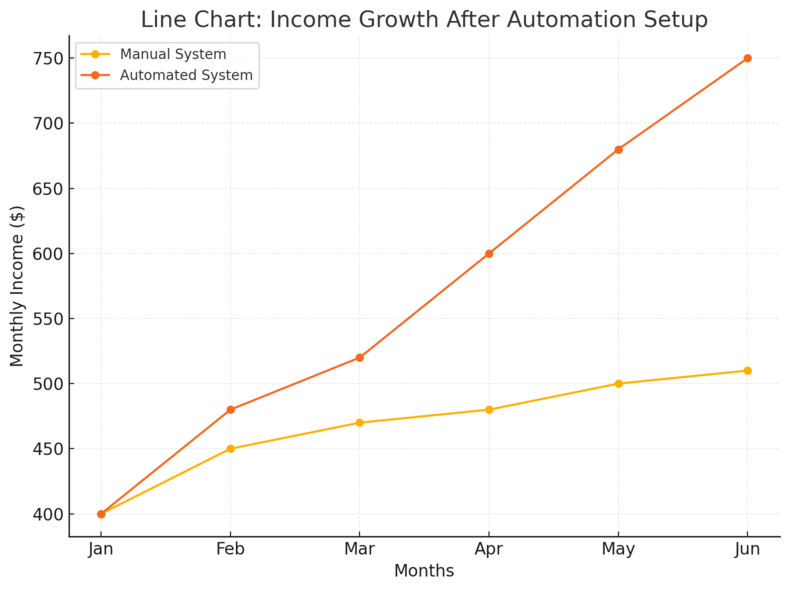
To make freelance affiliate marketing truly passive, you need systems that run on their own.
Automation, evergreen content, and performance tracking are what keep income flowing steadily even when you step away.
Using Automation Tools to Manage Affiliate Promotions
Automation takes the repetitive work out of affiliate marketing. Tools like Zapier or Make (formerly Integromat) let you connect your website, email platform, and social media channels.
For example:
- Automatically send new blog subscribers to ConvertKit and trigger an affiliate-focused welcome series.
- Use Buffer or Publer to auto-share posts containing evergreen affiliate links.
- Set up a Google Sheet integration that tracks clicks and conversions from your affiliate dashboards.
I recommend starting small—automate one process at a time, like scheduling social posts or sending automated email campaigns. The less you manually repeat, the more passive your income becomes.
Creating Evergreen Content That Continues to Earn
Evergreen content is content that stays relevant long after publishing. It’s the backbone of passive affiliate income because it keeps attracting traffic and conversions on autopilot.
The best evergreen formats include:
- “How-to” tutorials that solve timeless problems.
- Product reviews that get updated every few months.
- Resource pages listing your go-to tools and links.
For example, an article like “The Best Tools for Freelance Designers in 2025” can rank on Google and earn commissions every time someone signs up for a tool you recommend.
I believe updating old content quarterly keeps your earnings strong—search engines love freshness, and so do readers.
Tracking and Optimizing Affiliate Performance Over Time
Data is where freelance affiliate marketing becomes a business, not a hobby. Tracking helps you identify which content or platforms deliver the most revenue.
Simple ways to track performance:
- Use Google Analytics to see which posts bring affiliate traffic.
- Add UTM parameters to links for accurate source tracking.
- Check affiliate dashboards weekly to measure clicks, conversions, and payout trends.
Once you have data, optimize by:
- Updating high-traffic posts with better calls to action.
- Replacing underperforming offers with higher-converting ones.
- Focusing on channels (like YouTube or newsletters) that drive the most engaged leads.
I suggest keeping a simple performance log in Google Sheets. Over a few months, you’ll spot patterns that reveal exactly where to focus your energy for the biggest passive return.
Promoting Affiliate Offers Without Feeling “Salesy”
Promoting affiliate products shouldn’t feel like pushing people to buy. The real power of freelance affiliate marketing comes from positioning your recommendations as helpful solutions rather than pitches.
Let’s go through how to blend value with promotion, stay ethical, and use storytelling that converts without forcing it.
How to Blend Value-Driven Content With Promotion
The best affiliate promotions don’t scream “buy this”—they show how a product genuinely helps solve a problem. When you focus on usefulness, promotion happens naturally.
Here’s a simple structure that works every time:
- Start with a problem: Describe something relatable, like “Managing client invoices used to take me hours every week.”
- Share your experience: Explain what you tried and what didn’t work.
- Introduce your solution: Bring in your affiliate product naturally—“Then I started using Fiverr Workspace, and it now automates my invoicing in minutes.”
I suggest using 80% education and 20% promotion. Teach something first, then introduce the tool that made your process easier. This not only increases engagement but also builds long-term trust that turns into consistent commissions.
Ethical and Transparent Affiliate Marketing Practices
Transparency is one of the most underrated growth levers in affiliate marketing. People don’t mind you earning commissions—they just want honesty.
A few simple but powerful ethical practices:
- Always disclose affiliate links: Add a short line like, “This post contains affiliate links, which means I may earn a commission at no extra cost to you.”
- Promote only what you use or trust: Recommending random tools for quick profit backfires fast.
- Avoid manipulative urgency: Don’t fake “limited offers” or false scarcity.
I believe the best affiliates act as curators, not salespeople. You’re helping your audience cut through noise and make smarter decisions. That’s what creates loyal buyers who come back again and again.
Storytelling Techniques That Naturally Boost Conversions
Storytelling adds emotional weight to your recommendations. Instead of dumping product specs, you’re showing a transformation.
You can use the “Before–After–Bridge” method:
- Before: Describe the frustration you faced (e.g., disorganized content calendars).
- After: Explain the improved situation (e.g., “Now my team works in sync using Notion templates.”).
- Bridge: Introduce your affiliate tool as the connection between both worlds.
Stories like these create empathy and make readers feel, “That’s exactly what I’m dealing with.” When your story aligns with their problem, your affiliate link becomes a trusted shortcut to their solution.
Scaling Your Freelance Affiliate Marketing Business
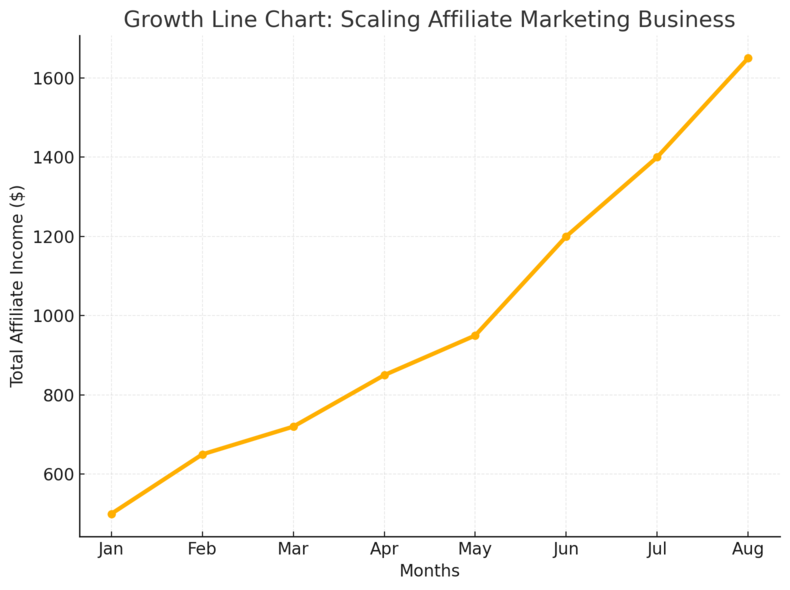
Once your systems and content start earning, the next step is scaling.
Scaling isn’t just about more links—it’s about expanding reach, diversifying income streams, and reinvesting strategically to grow your affiliate business sustainably.
How to Diversify Affiliate Income Streams
Relying on one product or network limits growth. The smartest affiliates build multiple income streams across complementary tools and industries.
Here are a few ideas:
- Promote related tools: For instance, if you recommend a web host like WPX Hosting, pair it with domain tools (Namecheap) or design platforms (Canva Pro).
- Branch into new niches: Once your main niche is stable, explore related areas like digital marketing, SaaS tools, or online education.
- Create your own assets: Launch a mini-course or ebook teaching your affiliate strategies and include your links inside.
I suggest diversifying slowly—one or two new income streams at a time. Spreading too thin too fast kills focus and results.
When and How to Outsource Content or Marketing Tasks
Outsourcing helps you scale without burning out. Once you reach a point where content creation or outreach becomes overwhelming, delegate repeatable tasks.
Start with:
- Writers or editors: Hire freelancers to repurpose blog content into newsletters or social posts.
- Designers: Let them handle visuals for tutorials or YouTube thumbnails.
- Virtual assistants: Assign affiliate tracking, data entry, or link updates.
You can find quality freelancers on Upwork or Fiverr. I usually recommend creating SOPs (standard operating procedures) so your team follows consistent workflows.
That way, your brand tone and integrity remain intact even when others help you execute.
Reinvesting Earnings Into Growth Opportunities
Reinvestment turns affiliate income into a compounding asset. The trick is not to cash out too early, but to reinvest smartly.
Ways to reinvest for faster scaling:
- Paid ads: Boost top-performing blog posts or videos.
- Better tools: Upgrade to analytics software like ClickMeter or Pretty Links for detailed tracking.
- Education: Enroll in SEO or content strategy courses to sharpen your edge.
I suggest tracking ROI quarterly—if an investment doesn’t generate measurable results, redirect funds to higher-performing strategies. This mindset transforms your freelance affiliate marketing from side income into a real business engine.
Avoiding Common Mistakes in Freelance Affiliate Marketing
Even experienced freelancers stumble in affiliate marketing. Many of these mistakes quietly drain income or credibility. Knowing what to avoid keeps your progress steady and your reputation strong.
Why Over-Promotion Damages Credibility and Income
When every post or email feels like a pitch, people tune out. Over-promotion kills engagement because it shifts your content from helpful to transactional.
To balance it:
- Keep 70% of your content educational, 20% community-focused, and only 10% promotional.
- Vary your call-to-actions—invite readers to comment, download, or learn before selling.
- Avoid pushing irrelevant products; each recommendation should fit naturally into the content’s topic.
I believe authenticity trumps frequency. When you focus on helping instead of selling, affiliate income grows on its own.
Recognizing and Fixing Poorly Performing Campaigns
Not every affiliate offer will perform equally. You need to spot weak links early and refine them.
Here’s a simple approach:
- Check click-to-sale ratios: If clicks are high but conversions are low, your offer might be misaligned.
- Audit placements: Test different link positions—above the fold, mid-article, or within CTAs.
- Update visuals and copy: Refresh banners and rewrite intros for clarity.
Tools like Google Looker Studio or AffiliateWP Reports can help visualize trends. I recommend reviewing performance monthly to prevent revenue leaks and maintain healthy campaign margins.
Staying Compliant With Affiliate and FTC Guidelines
Compliance isn’t just legal—it builds trust. The Federal Trade Commission (FTC) requires clear disclosure whenever affiliate links are present.
Keep it simple:
- Use plain disclaimers like “This page contains affiliate links, which means I may earn a commission.”
- Place disclosures at the beginning of your content, not hidden at the bottom.
- Avoid deceptive claims such as “Guaranteed results” or “Limited stock” unless verified.
Following these rules protects your credibility and future-proofs your brand against platform penalties or audience backlash.
Long-Term Strategies to Maintain Passive Income
Freelance affiliate marketing can deliver stable, recurring income—if you treat it as a long-term project.
Sustaining growth means adapting to changes, staying visible, and continuously refining your strategy.
How to Future-Proof Your Affiliate Business Against Algorithm Changes
Algorithms evolve constantly—whether it’s Google’s search updates or social platform reach fluctuations. The solution? Build assets you control.
Key steps to stay resilient:
- Focus on email lists and owned audiences rather than relying solely on social media.
- Diversify traffic sources: combine SEO, YouTube, and Pinterest for consistent visibility.
- Update old content regularly to maintain rankings and accuracy.
I suggest a quarterly audit of your top 10 performing posts. Refresh links, update screenshots, and re-optimize keywords to retain search momentum even after major updates.
Building Brand Authority That Attracts Consistent Buyers
Brand authority is what turns casual readers into lifetime buyers. It’s not just about publishing content—it’s about positioning yourself as a trusted expert.
To build it over time:
- Share original insights from your freelance experience.
- Collaborate with other creators or brands for cross-promotion.
- Collect testimonials from readers or clients who benefited from your advice.
When people recognize your name and associate it with genuine value, every recommendation you make carries more weight—and more conversions.
Setting Realistic Income Goals and Measuring Progress
Affiliate income grows exponentially, not instantly. Setting realistic milestones helps you track what’s working and stay motivated.
A practical framework I recommend:
- Short-term (3–6 months): Build foundational content and test 3–5 affiliate programs.
- Mid-term (6–12 months): Aim for $500–$1,000/month in consistent commissions.
- Long-term (1–2 years): Scale content, automate, and reach $5,000/month or more.
Use tracking dashboards like Affluent.io or simple spreadsheets to monitor growth. Reviewing results weekly keeps you accountable and reveals your real performance trends.

I’m Juxhin, the voice behind The Justifiable.
I’ve spent 6+ years building blogs, managing affiliate campaigns, and testing the messy world of online business. Here, I cut the fluff and share the strategies that actually move the needle — so you can build income that’s sustainable, not speculative.
Related posts:
 Ways To Make Money Online: Best Passive Income Ideas
 Make Money Online: Top Ways to Earn Cash on the Internet
 10 Proven Tips for Successful Online Affiliate Marketing
 How to Use Affiliate Links for Quick Passive Income
 Proven Ways to Make Money Online Through Affiliate Marketing
 Awin Affiliate Network Success and Struggles