
Table of Contents
Some links on The Justifiable are affiliate links, meaning we may earn a small commission at no extra cost to you. Read full disclaimer.
Advanced marketing solutions have completely changed how brands attract, convert, and retain customers.
With competition getting tougher every day, how can you make sure your marketing strategy stands out and actually gives you a measurable edge?
In this guide, we’ll explore the most effective advanced marketing solutions that modern businesses are using to stay ahead—covering everything from AI-powered personalization to cross-channel automation and data-driven decision-making.
Harnessing Artificial Intelligence For Smarter Campaigns
Artificial intelligence has quietly become the backbone of modern marketing. It helps you understand, predict, and serve customers faster and more accurately than any manual system ever could.
Let’s break down how AI gives you the clarity and agility needed to stay ahead.
Leveraging Predictive Analytics To Anticipate Customer Behavior
Predictive analytics uses historical data and machine learning to forecast future customer actions—like when someone is likely to buy, churn, or upgrade.
Think of it as your marketing crystal ball, except it’s powered by algorithms instead of guesswork.
In practice, you can use tools like Google Analytics 4’s Predictive Metrics to automatically spot high-value prospects.
These tools analyze data points such as session time, behavior flow, and previous interactions to assign “likelihood scores.”
How to apply it:
- Segment audiences based on purchase probability.
- Trigger personalized offers for users likely to convert soon.
- Re-engage those showing signs of drop-off with automated incentives.
When done right, predictive analytics moves your marketing from reactive to proactive—anticipating needs before customers even voice them.
Using AI Chatbots To Enhance Real-Time Customer Engagement
AI chatbots aren’t just support agents—they’re your 24/7 brand ambassadors. Tools like Drift or Intercom use natural language processing (NLP) to understand and respond intelligently to user queries.
Here’s where it gets powerful: These bots can route high-intent leads to your sales team instantly or guide shoppers to specific product pages using their responses.
For instance, setting up Intercom’s “Lead Routing Rule” in its dashboard lets you connect hot leads to reps based on priority or region.
Chatbots reduce friction, improve customer satisfaction, and free your team to focus on complex interactions. The result? Higher engagement and conversion without increasing headcount.
Automating Ad Optimization With Machine Learning Algorithms
Machine learning (ML) removes the manual grind from campaign management. Platforms like Google Ads Smart Bidding or Meta Advantage+ automatically adjust bids, placements, and creative variations based on performance signals.
For example, Google’s Smart Bidding uses ML to analyze billions of data points (device, time, location, demographics) to set the most profitable bid per auction.
The impact is substantial: Advertisers using ML-driven bidding typically see 10–20% higher conversion rates while maintaining cost efficiency.
To make the most of ML ad optimization:
- Feed platforms with enough high-quality conversion data.
- Run experiments for at least 2–3 weeks to allow algorithm learning.
- Regularly review performance insights to refine creative and messaging.
Improving Email Marketing Through AI-Driven Personalization
AI-powered email tools like Klaviyo and Mailchimp’s Send Time Optimization personalize not only message content but also delivery timing. They analyze open rates, device usage, and past behavior to predict when each subscriber is most likely to engage.
Imagine sending 10,000 emails where each one arrives precisely when the recipient usually checks their inbox. That’s the magic of AI personalization—scalable yet intimate.
Try these quick wins:
- Use AI tools to generate subject lines optimized for curiosity and clarity.
- Segment your list dynamically using behavioral data (e.g., product interest or browsing history).
- Continuously refine based on engagement analytics to maintain inbox relevance.
When AI shapes your campaigns, marketing stops being guesswork—it becomes precision work.
Building Competitive Advantage With Marketing Automation
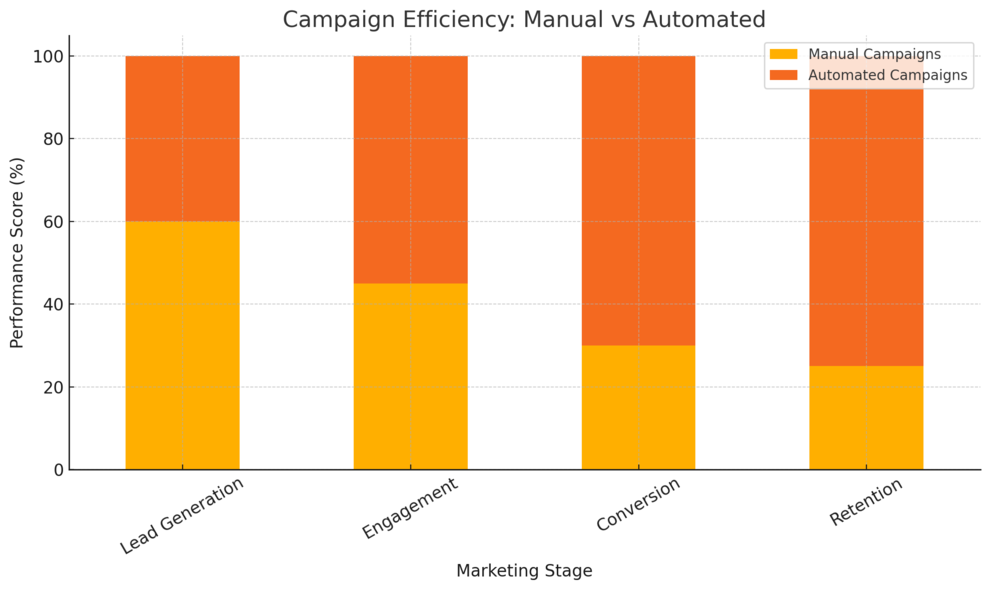
Marketing automation gives you leverage—doing more with less while staying consistent across channels.
It’s not about removing the human touch but amplifying it through efficiency and precision.
Creating Seamless Cross-Channel Workflows For Consistency
Consumers switch between email, social, and search seamlessly, and your marketing should too. Automation tools like ActiveCampaign or HubSpot Workflows allow you to build triggers across channels—ensuring consistent messaging no matter where a user engages.
For instance, when a visitor fills out a form on your site, HubSpot can automatically:
- Add them to an email nurture sequence.
- Sync data with your CRM.
- Send a personalized SMS reminder.
The result is a frictionless, unified brand experience that feels human but runs on autopilot.
Integrating CRM Systems To Strengthen Customer Relationships
Your CRM (Customer Relationship Management) tool is the heart of your automation ecosystem. Platforms like Salesforce and Zoho CRM integrate directly with marketing automation tools, syncing data in real time.
I recommend connecting touchpoints like website form fills, chat logs, and email interactions to your CRM. This gives every department—from sales to support—a 360° view of each customer’s journey.
It’s not just efficiency—it’s empathy at scale. When your systems communicate, so do your teams.
Automating Lead Nurturing To Shorten The Sales Cycle
Lead nurturing automation ensures that no lead goes cold. Using tools like HubSpot Sequences or Mailchimp Journeys, you can send tailored content based on where a prospect is in the buyer’s journey.
For example:
- New leads receive educational content.
- Engaged leads get product demos or trial offers.
- Inactive leads get win-back campaigns.
This structured automation keeps your pipeline warm and moving while your team focuses on closing deals.
Tracking And Analyzing Automated Campaign Performance
Automation doesn’t end with execution—it thrives on iteration. Tools like ActiveCampaign Reports or Marketo Analytics help you track key performance indicators (KPIs) such as conversion rate, open rate, and engagement time.
Quick tip: Create a dashboard that pulls live data from all your active campaigns. This lets you spot underperforming sequences early and double down on what’s working.
Consistent monitoring transforms automation from static to adaptive—a self-improving marketing machine.
Elevating Content Strategy With Data Intelligence
Your content strategy shouldn’t rely on intuition alone. Data intelligence makes every topic choice, headline, and CTA measurable and meaningful.
Using Audience Insights To Refine Content Topics And Tone
Tools like Google Analytics 4 and Ahrefs Content Explorer can reveal what your audience actually cares about—down to the search terms and engagement metrics that matter.
I suggest creating audience clusters based on behavior data (e.g., frequent readers vs. first-timers). Then, tailor tone and topic depth for each group.
For example, your loyal readers might want advanced tutorials, while new visitors prefer quick guides.
This approach doesn’t just boost engagement; it builds trust through relevance.
Implementing A/B Testing To Improve Content Conversion Rates
A/B testing is your direct line to audience truth. Whether it’s landing page headlines, CTA buttons, or visuals, testing helps you optimize based on real behavior, not assumptions.
Use platforms like Optimizely (via GA4) to test small but impactful variations.
For example:
- Test “Start Free Trial” vs. “Get Instant Access.”
- Experiment with different thumbnail images or layouts.
Over time, small adjustments can lead to 10–30% higher conversion rates—proving that precision beats volume.
Measuring Content ROI Through Advanced Analytics Tools
Knowing which content drives revenue is critical. Platforms like HubSpot Content Analytics or Semrush ImpactHero link traffic data to business outcomes such as leads or sales.
Here’s a simple framework:
- Track page performance with UTM parameters.
- Map content touchpoints within customer journeys.
- Attribute conversions to specific content types.
I’ve found that mapping your top 10 content pieces against lead quality can instantly highlight where to double down.
Scaling Personalized Content Experiences At Speed
AI-driven content platforms like Jasper and Mutiny let you personalize at scale—adjusting website copy or visuals dynamically based on user behavior.
Imagine a visitor from LinkedIn seeing different homepage text than someone arriving from Google Search. That’s personalization powered by real-time intent signals.
The beauty lies in balance: automation handles the mechanics, while you focus on crafting stories that resonate.
Expert Tip: Combine automation, AI, and analytics into one ecosystem. When data flows freely between your CRM, ad platforms, and content tools, your marketing stops being a set of tactics—and becomes a living, learning system that continuously sharpens your competitive edge.
Mastering Omnichannel Marketing For Brand Consistency
Omnichannel marketing isn’t about being everywhere—it’s about showing up consistently wherever your customer chooses to engage.
Whether someone walks into your store, browses your site, or clicks an Instagram ad, their experience should feel seamless and connected.
Syncing Online And Offline Touchpoints For A Unified Experience
Think about your customer’s journey like a loop, not a straight line. A shopper might see your Facebook ad, research your product online, then visit your physical store before buying through your app.
That’s a mix of online and offline interactions—and they should all speak the same brand language.
Tools like Shopify POS help merge these touchpoints.
For example, if a customer buys in-store, Shopify can automatically update their online profile, syncing purchase history and preferences. You can then send a thank-you email or loyalty offer right after checkout.
Here’s what I recommend:
- Connect CRM data with point-of-sale (POS) systems to ensure every interaction is tracked.
- Use QR codes or digital receipts to bridge physical and digital engagement.
- Train your support team to recognize customer profiles across platforms.
When your customer feels recognized across every channel, it creates loyalty—and loyalty breeds retention.
Leveraging Customer Data Platforms For 360-Degree Insights
Customer Data Platforms (CDPs) like Segment, Treasure Data, or Bloomreach collect data from multiple sources (website, email, social, app) into one central view. It’s like having a live map of your customer’s behavior across every channel.
For example, with Segment, you can integrate website analytics, purchase data, and email interactions to create a unified customer profile.
This helps marketers trigger hyper-personalized experiences, such as recommending complementary products or adjusting ad frequency based on engagement levels.
Quick tip: Always define clear data fields before integration—things like customer ID, device, and purchase history. It prevents messy overlaps and ensures accuracy.
Coordinating Social, Email, And Mobile Marketing Efforts
Customers move between platforms constantly, so your campaigns need to follow them without being repetitive. Tools like HubSpot or ActiveCampaign allow you to set up automated workflows that adjust messages based on user behavior.
For instance, a user who clicks your Instagram ad could automatically enter a tailored email sequence. Or someone who ignores an email might get a mobile push notification instead.
This type of coordination ensures consistency and relevance. Every message builds on the previous one rather than repeating it.
Creating Personalized Retargeting Campaigns Across Channels
Retargeting works best when it feels personal—not creepy. Using tools like Google Ads Audience Manager or Meta Custom Audiences, you can build segments based on specific actions, such as “added to cart but didn’t purchase.”
Then, you can serve complementary ads on YouTube, Instagram, or display networks that remind users of their interests in a friendly, contextual way.
I suggest keeping these in mind:
- Cap ad frequency to avoid fatigue.
- Use dynamic product feeds so ads auto-update with relevant offers.
- Test ad creatives that address common objections or hesitations.
Omnichannel retargeting done right feels like a natural continuation of your brand story, not an interruption.
Using Neuromarketing To Influence Buying Decisions
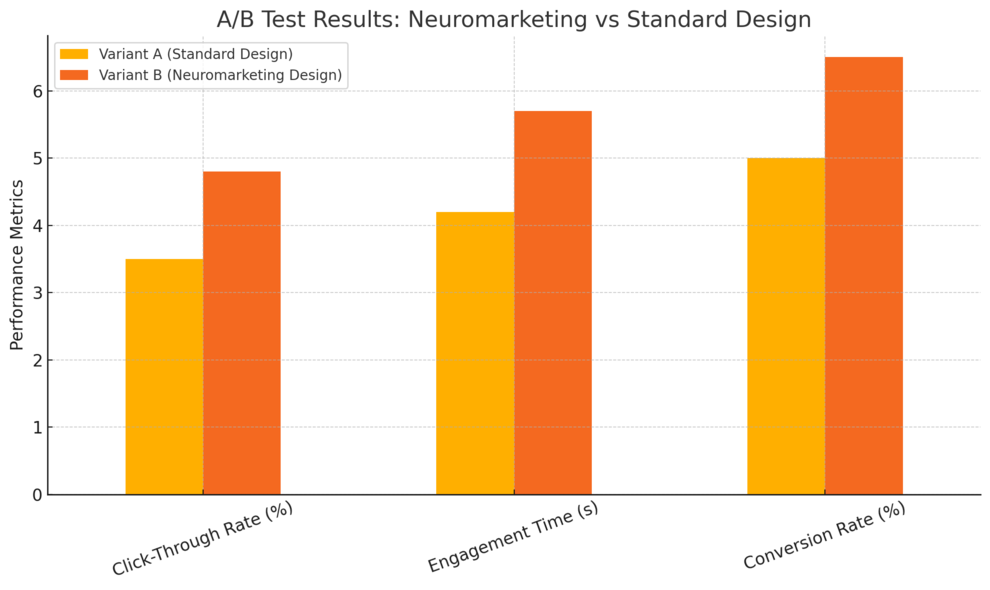
Neuromarketing taps into how people’s brains respond to marketing cues—colors, words, shapes, and emotions—to shape decisions.
It’s the science behind why someone clicks “Buy Now” or scrolls past.
Applying Behavioral Psychology To Marketing Messages
Human behavior is surprisingly predictable. We respond to triggers like scarcity (“Only 3 left!”), authority (“Recommended by experts”), and social proof (“Trusted by 10,000 users”).
Platforms like Unbounce and Instapage make it easy to A/B test these psychological elements in landing pages. You can tweak microcopy or visuals to find the formula that resonates most.
I recommend focusing on:
- Urgency cues: Time-sensitive language or countdowns.
- Reciprocity: Offer free value (guides, samples) before asking for something.
- Anchoring: Show a higher-priced item next to a mid-tier one to make it look like better value.
Marketing rooted in psychology doesn’t manipulate—it aligns with how people naturally make decisions.
Using Eye-Tracking And Heatmap Tools For Design Optimization
Visual hierarchy can make or break your conversions. Tools like Hotjar or Crazy Egg show where users’ eyes and cursors gravitate most on your page. These heatmaps reveal which areas attract attention—and which get ignored.
For instance, you might discover users are skipping your CTA because it blends into the background. Simply changing button color or placement could boost engagement.
A small design shift, guided by eye-tracking data, often drives massive performance gains.
Incorporating Emotional Triggers In Ad Copy And Visuals
Emotions drive memory—and memory drives buying. Whether it’s joy, curiosity, or belonging, emotional triggers make your brand unforgettable.
In ad visuals, warm colors like red and orange convey energy and urgency, while blues communicate trust. Tools like Canva’s Color Wheel or Adobe Color can help you align visuals with your emotional goal.
Copy plays a big role too. Instead of “Buy Now,” try “Join Thousands Who’ve Simplified Their Workflow.” It shifts focus from transaction to transformation.
Testing Cognitive Biases To Improve Conversion Rates
Cognitive biases are mental shortcuts people use to make quick decisions. You can ethically use them to simplify choice architecture.
Here are a few you can experiment with:
- Loss aversion: People fear losing more than they desire gaining. Try framing offers as avoiding loss (“Don’t miss your exclusive rate”).
- Social proof bias: Display user reviews or usage stats.
- Authority bias: Mention credible sources or expert endorsements.
Platforms like VWO allow you to test variations rooted in these biases. Over time, you’ll learn which biases resonate best with your audience.
Enhancing Customer Retention With Predictive Marketing
Predictive marketing uses data models to forecast customer actions—helping you intervene before they churn or reward them at the right time. It’s proactive relationship management powered by analytics.
Identifying At-Risk Customers Through Predictive Scoring
Predictive scoring tools like HubSpot or Salesforce Einstein analyze engagement data—email opens, login frequency, purchase recency—to flag customers likely to churn.
Once identified, you can trigger retention campaigns or offer exclusive perks before they disappear.
Here’s what works:
- Monitor drop-offs in activity patterns.
- Send personalized win-back campaigns (discounts, check-in messages).
- Have support reach out to high-value users before churn.
Predictive scoring helps you spot trouble early and act with precision.
Personalizing Loyalty Programs Based On Behavioral Data
Generic loyalty programs don’t cut it anymore. Tools like LoyaltyLion or Smile.io use behavior data to tailor rewards to each user.
For example, you could give extra points for social shares or repeat purchases in a specific category. Over time, the program adapts to what each customer values most.
I suggest connecting loyalty data to your email automation platform. This allows you to trigger personalized thank-you notes or milestone messages automatically.
Sending Timely Re-Engagement Messages With Automation
Timing is everything. Automated re-engagement workflows can help bring customers back before they forget you exist.
Platforms like Omnisend allow you to build trigger-based flows—sending an email or SMS when a customer hasn’t interacted for a set period.
Best practices:
- Keep re-engagement messages light and friendly.
- Use clear CTAs like “We Miss You—Here’s 15% Off Your Next Order.”
- Limit to one or two nudges before removing inactive subscribers.
This keeps your list healthy while gently reviving dormant users.
Measuring Lifetime Value To Refine Retention Strategies
Customer Lifetime Value (CLV) tells you how much a customer contributes over their relationship with your brand. Measuring it helps you prioritize who to retain and how much to invest.
Tools like Google Analytics 4 or ProfitWell automatically calculate CLV based on purchase frequency and spend.
I advise segmenting your audience by CLV tiers—high-value, mid-value, and low-value customers—and tailoring retention offers accordingly.
When you know who your most profitable customers are, every retention dollar works harder.
Pro Tip: Predictive marketing and neuromarketing pair beautifully with omnichannel strategies. Together, they create marketing that’s both intelligent and empathetic—using data to understand behavior, and psychology to influence it—so every message feels timely, human, and authentic.
Maximizing ROI With Advanced Analytics And Attribution
Data is only powerful when you can trace where it’s making an impact.
Advanced analytics and attribution help you uncover which touchpoints actually drive revenue—so you can stop guessing and start investing where it counts.
Tracking Multi-Touch Attribution To Understand True Impact
Multi-touch attribution (MTA) helps you see the entire customer journey, not just the final click. Instead of crediting one source (like Google Ads), it distributes credit across multiple interactions—social ads, emails, blog visits, or retargeting campaigns.
Platforms like Google Analytics 4 (GA4), Wicked Reports, or HubSpot Attribution make this process easier. In GA4, you can go to “Advertising” → “Attribution” → “Model Comparison” to see how different models (first-click, linear, data-driven) affect ROI outcomes.
Here’s how to get more value from MTA:
- Use a data-driven attribution model for accuracy—it learns which touchpoints drive conversions using machine learning.
- Compare attribution models monthly to understand shifts in buyer behavior.
- Feed MTA insights into ad platforms to optimize bidding and creative strategies.
Understanding attribution turns your marketing from siloed activity into a connected growth engine.
Using Real-Time Dashboards For Smarter Decision-Making
Static reports age quickly. Real-time dashboards let you see campaign performance as it happens—so you can pivot instantly.
Tools like Google Looker Studio (formerly Data Studio) and Tableau connect multiple data sources (ads, CRM, email) into one interactive dashboard. Imagine spotting a sudden drop in conversion rate mid-campaign and fixing it today instead of next quarter.
I suggest building dashboards that track:
- Conversion rate by channel and audience segment.
- Cost per acquisition (CPA) trends.
- Revenue by campaign and attribution model.
This live visibility helps you make quick, data-backed decisions rather than relying on outdated summaries.
Identifying High-Value Customer Segments With Deep Data
Advanced segmentation is where analytics meets strategy. By layering demographic, behavioral, and transactional data, you can pinpoint your highest-value audiences.
For example, in HubSpot or Segment, you can create custom segments like “users who visited product pages three times but haven’t purchased.” These segments can then trigger personalized campaigns that push them closer to conversion.
Practical ways to identify high-value segments:
- Analyze customer lifetime value (CLV) across demographics.
- Track repeat purchase rates by acquisition channel.
- Use clustering models (like K-means) to group similar users for tailored outreach.
When you know exactly who your best customers are, you can focus your efforts on finding more like them.
Optimizing Budget Allocation Through Performance Insights
Smart budget allocation separates good marketers from great ones. Analytics tools like Google Ads Performance Max, Supermetrics, or Ruler Analytics show which channels yield the highest ROI, allowing you to redistribute spend efficiently.
For instance, if paid search has a high CPA but strong downstream conversions, you might reallocate funds to retargeting or content nurture campaigns that accelerate those leads.
I recommend reviewing budgets monthly—not quarterly—because market conditions shift fast. Pair budget data with attribution insights for full context before making changes.
This is how advanced analytics transforms marketing from a cost center into a profit system.
Leveraging Emerging Technologies For Future Growth
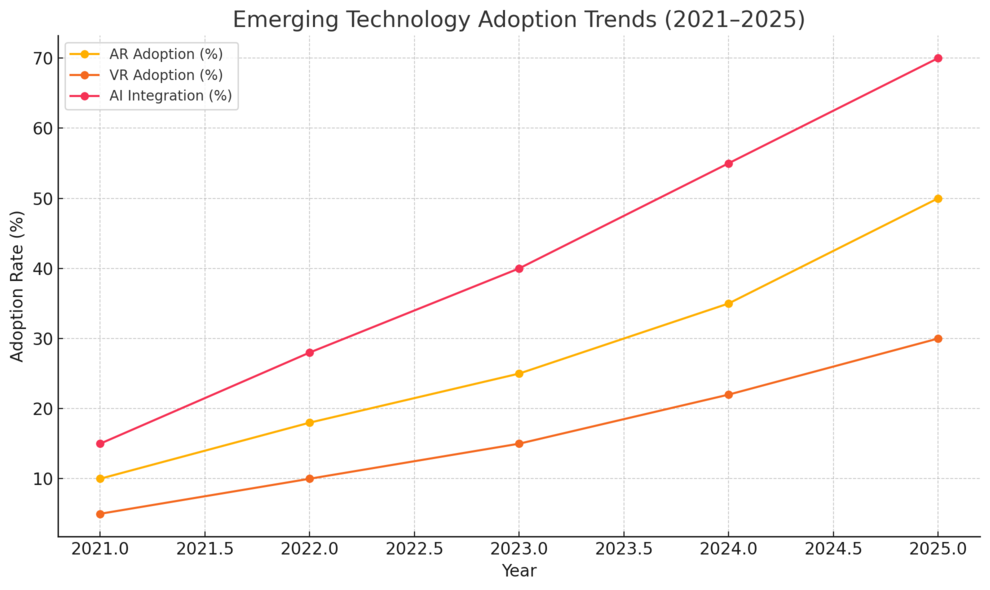
The next era of marketing belongs to those who adapt early.
Emerging technologies like AR, VR, blockchain, and AI-driven tools are redefining engagement and trust—and integrating them now gives you a future-proof advantage.
Exploring Augmented Reality (AR) And Virtual Reality (VR) In Marketing
AR and VR allow customers to experience your product before they buy. Think of IKEA’s “Place” app—it lets users visualize furniture in their space using their phone camera.
AR tools like ZapWorks or Adobe Aero make it accessible for marketers. For example, you can create interactive product demos that users can explore via QR code or mobile browser.
Real-world use cases:
- Virtual try-ons for fashion or beauty brands.
- Immersive product walkthroughs for real estate or automotive.
- AR packaging that unlocks exclusive digital experiences.
The goal isn’t novelty—it’s reducing friction and increasing confidence before purchase.
Understanding The Role Of Blockchain In Advertising Transparency
Blockchain, often linked with cryptocurrency, is quietly reshaping digital advertising. It brings transparency by verifying impressions, eliminating click fraud, and tracking ad spend in a tamper-proof ledger.
Platforms like MadNetwork and AdEx Network are pioneering blockchain-based ad ecosystems. Marketers can see exactly where budgets go and confirm that impressions are real—not bots.
I believe this technology will matter most for brands investing heavily in programmatic advertising. It builds accountability and strengthens brand trust.
Integrating Voice Search Optimization Into Marketing Strategy
With smart speakers and voice assistants on the rise, optimizing for voice search is now essential. Voice queries are longer and more conversational, often phrased as questions.
Use Google Search Console and AnswerThePublic to find these question-based phrases. Then, structure your content in natural language with concise answers.
For example: Instead of targeting “best running shoes,” optimize for “What are the best running shoes for flat feet?”
Also, ensure your site loads fast and uses structured data (schema markup). Voice assistants favor quick, clear answers from trusted sources.
Preparing For The Rise Of AI-Generated Content And Experiences
AI-generated content is evolving fast, but the key is how you use it—not just that you use it. Tools like Jasper, Copy.ai, or ChatGPT can help you draft first versions of content, while human editing ensures accuracy and emotional tone.
I recommend using AI for:
- Generating content outlines or topic ideas.
- Creating product descriptions at scale.
- Powering dynamic website copy personalization.
AI should enhance human creativity, not replace it. The brands that win will blend automation with authenticity.
Creating Hyper-Personalized Customer Journeys
Customers today expect relevance at every step. Hyper-personalization uses real-time data to craft unique experiences—making each touchpoint feel personal and timely.
Segmenting Audiences Using Behavioral And Intent Data
Segmentation goes beyond demographics—it’s about understanding what drives behavior. Platforms like Amplitude or Heap Analytics track actions like pages viewed, time spent, or cart activity, allowing you to group users by intent.
For example, a user who reads multiple pricing pages shows “high intent,” while someone browsing blog content signals “research phase.” You can tailor follow-ups accordingly.
I suggest creating these segments:
- Engaged visitors (multiple visits, long sessions).
- Cart abandoners (visited checkout, no purchase).
- Inactive customers (no engagement for 30+ days).
Behavioral segmentation ensures every message meets the customer exactly where they are.
Delivering Dynamic Web Experiences Based On User Actions
Dynamic websites adjust in real time. Tools like Optimizely and Dynamic Yield personalize elements such as banners, CTAs, and content blocks based on user behavior.
For example, an ecommerce visitor viewing running shoes might see “20% off footwear” on their next visit. These micro-personalizations can lift conversion rates significantly—sometimes by 30% or more.
Keep it subtle. Personalization should feel like relevance, not surveillance.
Crafting One-To-One Email And SMS Campaigns
Personalized messaging drives engagement. Tools like Klaviyo and Omnisend use customer data to craft individualized messages that go beyond “Hi [First Name].”
Example: If a user buys skincare products, send a follow-up email suggesting a routine or complementary product, not just a generic promo.
You can also sync SMS and email flows—if someone doesn’t open an email, they might get a friendly text reminder instead.
Pro tip: Keep messages short and conversational. Write like you’re talking to a friend, not pitching to a crowd.
Using Real-Time Triggers To Drive Conversions
Real-time triggers are automated actions based on behavior—like sending a discount right when someone abandons their cart.
Platforms such as ActiveCampaign and Customer.io allow you to set up workflows using conditions like time on page, inactivity, or cart value.
For instance, “If user views product X for 2+ minutes but doesn’t add to cart, show pop-up with 10% off.”
These micro-moments drive impulse actions and improve conversion rates instantly.
Strengthening Your Marketing With Ethical AI And Privacy
As AI becomes more embedded in marketing, transparency and privacy aren’t optional—they’re expected. Ethical AI practices build lasting trust with customers.
Ensuring Transparency In AI-Powered Marketing Decisions
Explain how AI tools use data in plain language. If your recommendations or chatbots use algorithms, disclose it clearly in your privacy policy or UX messaging.
For instance, “Our recommendations are powered by AI to help you find products faster.” Simple, honest communication reinforces trust.
Tip: Regularly audit your AI systems for bias or errors to prevent unintended discrimination in targeting or personalization.
Balancing Personalization With Data Privacy Regulations
Regulations like GDPR and CCPA require explicit consent for data use. Always give customers the choice to opt out of tracking or personalization.
Platforms like OneTrust and Cookiebot simplify compliance by automating consent banners and tracking preferences.
I advise designing your opt-in process with transparency in mind—show users the value exchange (“We’ll send you personalized deals, not spam”).
Building Customer Trust Through Responsible Data Use
Data responsibility isn’t just legal—it’s ethical. Customers need to feel their information is safe and respected.
Use secure platforms for storing customer data, anonymize wherever possible, and limit internal access based on necessity.
A brand that protects its users earns loyalty—and loyalty is priceless marketing currency.
Adopting Privacy-First Tools And Consent Management Platforms
Privacy-first tools align data collection with ethics and compliance. Usercentrics, Osano, and TrustArc provide frameworks to manage consent, preferences, and compliance automatically.
When integrated properly, these tools reduce risk while improving customer confidence.
In a digital world where trust is fragile, privacy-first marketing isn’t just good practice—it’s a long-term advantage.
Final Thought: Advanced marketing solutions are no longer optional—they’re essential. The edge doesn’t come from using the most tools, but from connecting data, creativity, and ethics into one cohesive system. When you blend technology with transparency, you don’t just grow faster—you grow stronger.

I’m Juxhin, the voice behind The Justifiable.
I’ve spent 6+ years building blogs, managing affiliate campaigns, and testing the messy world of online business. Here, I cut the fluff and share the strategies that actually move the needle — so you can build income that’s sustainable, not speculative.
Related posts:
 10 AI Marketing Solutions Every Marketer Should Try Now
 How Data Driven Marketing Solutions Boost Real ROI Fast
 How Web Marketing Solutions Turn Clicks Into Conversions
 How Advantage Marketing Solutions Help Brands Scale Faster
 10 Innovative Marketing Solutions That Disrupt the Market
 7 Integrated Marketing Solutions That Unify Your Strategy