
Table of Contents
Some links on The Justifiable are affiliate links, meaning we may earn a small commission at no extra cost to you. Read full disclaimer.
Freelance digital marketing from home isn’t just a flexible career—it’s one of the smartest ways to build a scalable income on your own terms.
Whether you’re juggling a 9-to-5 or ready to go all in, remote marketing work opens doors to clients worldwide and endless earning potential.
But how exactly can working from home as a freelance marketer help you grow your income faster than a traditional job? Let’s break it down step-by-step.
Understanding Freelance Digital Marketing From Home
Freelance digital marketing from home is more than a career choice—it’s a lifestyle shift. You’re not just earning online; you’re creating an independent business that can scale globally from your laptop.
Let’s unpack how it works and what it really takes to thrive.
What Freelance Digital Marketing Really Involves
At its core, freelance digital marketing means offering online marketing services—like SEO, social media management, or paid advertising—to businesses that need help growing online.
Instead of working full-time for one company, you work with multiple clients on projects or monthly retainers.
You might handle tasks like:
- Running Facebook Ads or Google Ads campaigns.
- Writing optimized blog content for SEO.
- Managing brand social media accounts and engagement.
- Building email marketing automations using tools like ActiveCampaign or Klaviyo.
In my experience, this flexibility lets you test multiple areas of marketing until you find your strongest skill set. Most freelancers start broad and then specialize as they grow confidence and results.
Why Remote Work Creates Massive Opportunities
Working remotely eliminates location limits. You can pitch clients in New York while living in Lisbon or Bali. Platforms like Upwork, Toptal, and Contra have made it easier than ever to find international clients who value results over geography.
The biggest opportunity? Lower costs and higher margins. Without commuting or office expenses, your net income stretches further.
Plus, since digital marketing demand keeps growing—especially in eCommerce and tech—you’re never short of potential clients.
I suggest positioning yourself as a problem-solver, not a “service provider.” Businesses don’t hire you to run ads—they hire you to generate revenue. That simple shift in mindset can multiply your perceived value.
Key Skills Every Freelance Marketer Needs To Compete
To succeed in freelance digital marketing, you’ll need both technical and soft skills:
- Technical Skills: SEO, paid ads, email automation, analytics (Google Analytics 4, Meta Ads Manager), and content creation.
- Soft Skills: Communication, project management, and self-discipline.
I believe adaptability is your biggest advantage. Algorithms change, tools evolve, and strategies shift—but if you’re willing to learn continuously, you’ll stay relevant.
Start small: Follow Google’s Digital Garage or HubSpot’s free certifications to build credibility fast.
Common Misconceptions About Working From Home
Many believe freelancing from home is easy money. It’s not. It requires structure, persistence, and consistent client outreach. The freedom is real, but so is the discipline needed to sustain it.
Another misconception is that you need massive experience. You don’t—you just need measurable results.
Start by doing small projects or even mock campaigns to build your portfolio. Once clients see your work delivers outcomes, experience matters far less.
Choosing Your Profitable Digital Marketing Niche
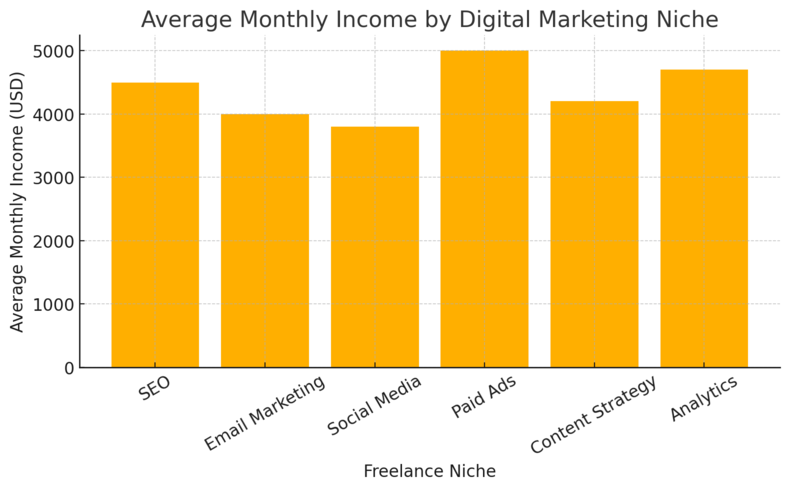
Choosing your niche is the single most important decision you’ll make in your freelance journey. It determines who you serve, what you charge, and how quickly you scale.
How To Identify a Niche With High Demand and Low Competition
Start by researching markets that spend heavily on digital marketing but aren’t overcrowded. Use tools like Ahrefs, Google Trends, and Exploding Topics to spot emerging industries.
Here’s what I look for when picking a niche:
- Profit potential: Can clients afford ongoing marketing?
- Longevity: Is the industry stable or trending upward?
- Interest fit: Can you see yourself learning deeply about it?
For example, real estate, SaaS startups, and health & wellness are currently booming sectors for freelance marketers.
Examples of Lucrative Freelance Niches (SEO, Email, Ads, etc.)
Some of the best-performing niches include:
- SEO Optimization: Ranking client websites higher in Google searches.
- Email Marketing: Creating automation flows that convert leads into customers.
- Facebook & Google Ads Management: Running targeted campaigns that drive sales.
- Content Strategy: Building blog plans that attract and convert readers.
If you’re just starting, I suggest combining two complementary skills—like SEO + content writing or email + funnels. This hybrid approach makes you more valuable to clients seeking full-stack expertise.
Why Specialization Increases Your Income Potential
The truth? Specialists earn more than generalists. When you specialize, clients see you as the expert rather than “just another freelancer.”
For instance, “SEO freelancer for Shopify stores” sounds more valuable than “digital marketer.” You’re addressing a clear need, which lets you charge higher rates.
Narrowing your focus also helps you create better systems and templates, saving time on delivery and increasing profit margins.
How To Validate Your Niche Before Committing
Before going all-in, validate your niche:
- Search job boards like Upwork or Freelancer to check demand.
- Interview potential clients to learn their biggest challenges.
- Create sample content or campaigns and measure engagement or results.
If you consistently see inquiries or engagement from your target audience, you’ve found a promising niche. Don’t rush this step—testing early prevents months of wasted effort later.
Building a Personal Brand That Attracts Clients
Your personal brand is your online reputation. It’s what convinces clients to trust you before they even speak to you.
How To Craft a Compelling Online Presence That Sells
Start with clarity. Who do you help, and how? Define your value proposition—the specific problem you solve. Then build a simple, clean website or portfolio that highlights your best work.
I advise keeping it straightforward: one homepage, one about page, one services page, and a contact form. Use real client results, numbers, or testimonials wherever possible. Authenticity beats perfection every time.
A quick formula I like using:
Who you help + What you do + Why it matters = Personal Brand Statement
Example: “I help eCommerce founders scale with high-converting email campaigns that double repeat sales.”
The Power of Showcasing Your Portfolio and Testimonials
Clients buy proof, not promises. Even one or two solid case studies can do wonders. If you don’t have clients yet, build sample projects for fictional brands—just make sure the results feel realistic.
When sharing testimonials, always get permission and use specifics: “increased traffic by 40% in 3 months” sounds much stronger than “great service.”
Tools like Notion, Clarityflow, or Carrd work well for displaying portfolios without coding.
How To Use Social Proof To Build Authority and Trust
Social proof includes testimonials, collaborations, guest posts, or even social engagement screenshots. Consistently share your results, learning moments, and behind-the-scenes insights on platforms like LinkedIn or X (Twitter).
In my experience, showing up with consistency—even twice a week—builds authority faster than spending months perfecting your website. People trust familiarity.
Platforms That Help Freelancers Build Visibility (LinkedIn, Medium, Behance)
Each platform serves a different purpose:
- LinkedIn: Best for networking and inbound leads.
- Medium: Great for sharing thought leadership and ranking articles.
- Behance: Ideal for visual marketers and designers.
- Twitter (X): Fantastic for joining marketing conversations and building a following.
I suggest picking one platform you genuinely enjoy and mastering it. Engagement matters more than presence. Once you’re getting consistent inbound interest, expand gradually.
Creating Multiple Income Streams Through Marketing Skills
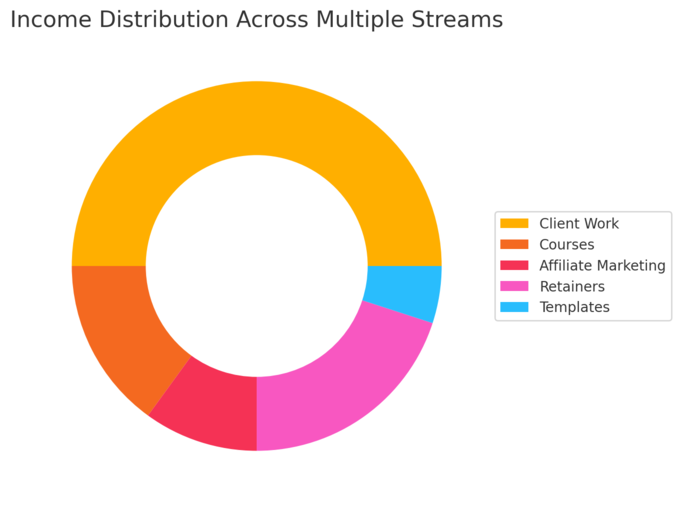
Building multiple income streams is one of the smartest ways to make freelance digital marketing from home sustainable.
It protects you from client slowdowns and opens new ways to earn without working more hours.
How To Offer Tiered Services To Maximize Earnings
If you’re only selling one service, you’re limiting your income potential. I suggest structuring your offers into tiers—basic, standard, and premium.
Here’s a simple example:
- Basic: Social media content calendar (no posting or engagement).
- Standard: Full social media management with posting and analytics.
- Premium: Social media strategy, content creation, and ad campaign setup.
Tools like Notion or ClickUp help you manage service levels clearly. I use them to outline deliverables for each package, making it easy for clients to choose their budget level.
Tiered pricing lets you attract more clients while giving those with higher budgets a reason to invest more. It’s a simple psychology hack—when clients see three options, they tend to choose the middle or top package.
Turning Your Expertise Into Digital Products and Courses
Your skills can earn even when you’re not actively working. Turn what you know into digital products such as eBooks, templates, or online courses.
For example, if you’re great at SEO, you could create a course like “How to Optimize Your Website for Google in 7 Days.” Use platforms like Gumroad, Teachable, or Podia to sell them. These platforms make it easy to upload content, set pricing, and automate delivery.
I advise starting small—maybe a low-priced mini-course or a ready-to-use client onboarding template.
Once you get feedback, expand into larger courses or bundles. It’s not passive income at first, but it becomes semi-passive as your library grows.
Affiliate Marketing Strategies for Freelancers
Affiliate marketing is one of my favorite ways to add recurring income. As a freelancer, you already use tools—email platforms, analytics software, or hosting services. You can earn commissions by recommending them through affiliate links.
Let’s say you manage clients using ActiveCampaign. You can write a short tutorial or review about it and include your affiliate link. When someone signs up, you earn a percentage.
To make this work well:
- Only promote tools you genuinely use.
- Track clicks and conversions with Bitly or Pretty Links.
- Share practical examples (like a setup walkthrough) instead of sales talk.
Over time, your content becomes a steady source of affiliate income.
How Retainer Clients Can Bring Predictable Monthly Income
Freelance income often feels unstable, but retainers fix that. A retainer means clients pay you monthly for ongoing services—like managing ads or email campaigns.
I recommend building retainer offers once you’ve worked with a client for at least one project. For example: “I can continue managing your Google Ads monthly for $1,500, which includes optimization, reporting, and strategy.”
Retainers create predictable income and deepen client trust. They’re the key to moving from project-based chaos to sustainable growth.
Finding High-Paying Clients and Remote Work Opportunities
Getting clients who value your work (and pay accordingly) isn’t about luck—it’s about positioning and visibility. The goal is to find clients who want results, not cheap labor.
Where To Find Clients Looking for Freelance Digital Marketers
High-paying clients usually hang out in three places:
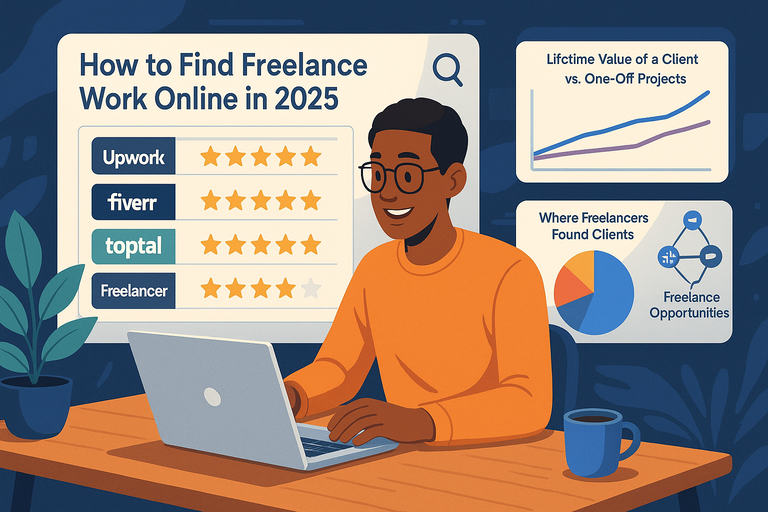
- Freelance Platforms: Fiverr, Contra, and Toptal are great starting points. Focus your profile on outcomes—use keywords like “drive conversions” or “increase ROI.”
- Communities & Slack Groups: Join industry-specific communities (for example, Online Geniuses or Superpath). These are goldmines for referrals.
- LinkedIn & Cold Outreach: Use LinkedIn filters to search titles like “Head of Marketing” or “eCommerce Founder,” then send personalized connection requests.
I’ve found that a mix of inbound (social content, portfolio) and outbound (personalized emails) gives the best client flow.
How To Write Proposals That Get Quick Responses
A proposal isn’t about showing off credentials—it’s about solving a specific problem.
I structure mine like this:
- Opening: Reference their business or pain point.
- Value: Explain how you’ll solve it with measurable outcomes.
- Proof: Share a relevant result or short testimonial.
- Next Step: Ask for a quick call or approval.
Example: “I noticed your Facebook ads haven’t been updated in months. I specialize in optimizing campaigns that increase ROAS by 25–40%. I’d love to audit your account and share ideas—would tomorrow or Wednesday work?”
Short, personalized proposals outperform long, templated ones every time.
Why Long-Term Relationships Outperform One-Off Gigs
It’s far easier to retain a client than to find a new one. Long-term relationships let you focus on results instead of constant prospecting.
When you deliver consistently, clients begin to trust your judgment—and often expand your scope of work. I once managed email campaigns for a client that later turned into full-funnel strategy and ads, doubling my monthly retainer.
I suggest regular performance reviews and proactive suggestions. Clients appreciate initiative, and it’s one of the easiest ways to upsell ethically.
Tools To Automate Client Acquisition and Communication
Automation keeps your freelance business lean and organized.
Some of my favorite tools include:
- Calendly for scheduling calls without back-and-forth.
- Loom for recording quick video proposals or updates.
- Dubsado or HoneyBook for managing contracts, invoices, and onboarding.
- Zapier to connect everything automatically (like sending client form responses straight to Trello or Notion).
These systems not only save time but also make you look more professional—which helps justify premium pricing.
Pricing Your Freelance Services To Match Your Value
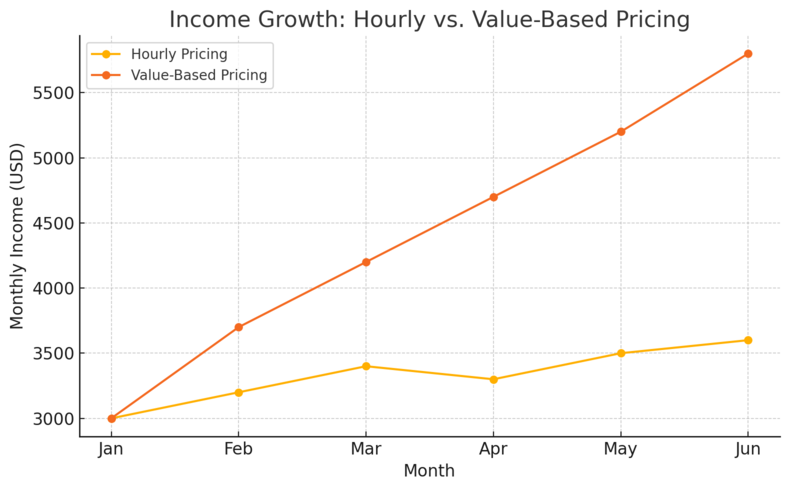
Your pricing should reflect impact, not just effort. Many freelancers undercharge because they think clients buy hours—but they actually buy outcomes.
How To Move Away From Hourly Rates and Charge for Results
Hourly rates limit your earning potential. If you get faster or more efficient, you actually make less. That’s why I recommend value-based pricing—charging for the result you deliver instead of the time it takes.
Example: Instead of charging $50/hour for ad management, charge $1,000 for “Facebook Ad Optimization that Increases Conversions by 30%.”
It’s a mindset shift. You’re being paid for expertise and confidence, not clock time. Tools like Harvest or Toggl can still help you track hours internally for performance, but never tie them directly to invoices.
Proven Pricing Strategies That Freelancers Use To Scale
Freelancers who scale successfully use flexible pricing models depending on the project:
- Flat Project Fees: Great for defined deliverables (e.g., $700 for a 3-email welcome sequence).
- Monthly Retainers: Ideal for ongoing tasks like social media or ad optimization.
- Performance-Based Pricing: You earn more as results improve (e.g., a percentage of ad spend or sales).
I’ve found combining retainers and project-based work gives steady income plus upside potential.
The Psychology Behind Premium Pricing and Client Perception
Higher prices signal confidence and expertise. Clients associate higher rates with better outcomes—especially in B2B marketing.
I believe your brand presentation should justify your pricing. A clean website, professional proposals, and clear results all communicate value. Even subtle things—like how quickly you respond or how you frame deliverables—build trust.
If you act like a premium provider, you’ll be treated (and paid) like one.
How To Confidently Negotiate Without Losing Clients
Negotiation isn’t confrontation—it’s collaboration. The goal is to find a price that feels fair for both sides.
Here’s how I handle it:
- Anchor high: Quote slightly above what you want. It gives room for negotiation.
- Show value: Explain how your work impacts their revenue or saves time.
- Stay silent after stating your price. Let the client respond first.
If a client insists on a lower budget, reduce scope, not price. For example, “At that rate, I can manage one channel instead of two.” This keeps your boundaries clear and your professionalism intact.
Once you master negotiation, you’ll realize pricing isn’t about cost—it’s about perceived transformation.
Building Systems To Scale Your Freelance Business
If you’ve been freelancing for a while, you probably know how easy it is to get stuck in a cycle of client work and admin tasks.
The real growth begins when you start building systems—repeatable processes that free your time and make your business run smoothly without constant hands-on effort.
How To Automate Time-Consuming Tasks With Tools
Automation is the secret weapon behind every successful remote freelancer. I recommend identifying repetitive tasks—like onboarding, invoicing, and content scheduling—and connecting them with automation tools.
Here’s a simple example setup I use:
- Zapier connects my Typeform client intake form to Google Sheets and Trello. When someone fills out the form, a new Trello card with project details is automatically created.
- Dubsado or HoneyBook handles contracts, invoices, and proposals. Once a client accepts, the system sends the next steps automatically.
- Buffer or Later schedules social media posts, so you maintain visibility even while deep in client projects.
You can start small with one workflow. Over time, these automations can save you several hours each week—time you can reinvest into higher-value work or personal downtime.
Why Outsourcing Can Multiply Your Income
You don’t need to do everything yourself. Outsourcing doesn’t mean losing control; it means gaining focus. If you spend four hours a week formatting client reports, hire a virtual assistant (VA) for that task and focus on strategy instead.
I advise building a small network of reliable freelancers—graphic designers, copywriters, and analysts. Use platforms like Upwork or OnlineJobs.ph to find talent. Even subcontracting small parts of your work can help you scale faster and take on more clients without burnout.
The key is to document your processes so others can follow them. Create clear Standard Operating Procedures (SOPs) in Google Docs or Notion—this keeps quality consistent even as your team grows.
Tracking KPIs To Measure Growth and Client ROI
You can’t scale what you don’t measure. Tracking KPIs (Key Performance Indicators) helps you see what’s working and where to improve.
For freelancers, your main KPIs might include:
- Monthly recurring revenue (MRR)
- Client retention rate
- Average project value
- Conversion rate from proposals
For client work, focus on metrics that show ROI—like ad spend return, lead conversion, or website traffic growth.
I personally use Google Data Studio (now Looker Studio) to create simple dashboards that visualize this data for clients.
Sharing these reports monthly doesn’t just prove value—it builds trust and keeps clients coming back.
How To Create Workflows That Boost Productivity
Your workflow should feel like a rhythm, not chaos. I suggest breaking your week into clear themes:
- Mondays for planning and strategy.
- Tuesdays to Thursdays for deep client work.
- Fridays for admin, reporting, and lead generation.
Use Trello or ClickUp to organize projects visually. I love setting up automation where each client moves through a “pipeline” — Inquiry → Proposal → Active Project → Review → Retainer.
Once you’ve built predictable workflows, you’ll notice something powerful: your business stops feeling like freelancing and starts running like an agency.
Balancing Freedom and Focus When Working From Home
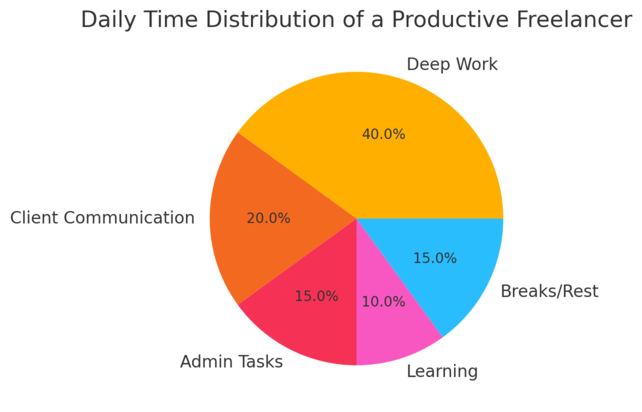
Working from home sounds like a dream—until your bed, kitchen, and workspace start to blend into one.
Maintaining focus and balance is what separates thriving freelancers from burned-out ones.
How To Create a Productive Home Office Environment
You don’t need an expensive setup—just a dedicated workspace that helps your brain shift into “work mode.” Even a small desk in the corner works if it’s organized.
A few upgrades I recommend:
- Noise-canceling headphones (like Sony WH-1000XM5) for deep work.
- A second monitor for multitasking efficiently.
- Natural lighting or a ring light for video calls.
Keep your workspace clutter-free. I use the Pomodoro method (25-minute focus sprints, 5-minute breaks) with a timer app like Focus Booster—it keeps me energized without draining mental stamina.
Managing Time and Avoiding Burnout as a Remote Marketer
Burnout often sneaks in when you take every client, skip breaks, or never disconnect. I’ve been there. The solution is to schedule non-work time as firmly as client meetings.
Here’s what helps:
- Block your calendar for meals and rest.
- Set client boundaries (no messages after certain hours).
- Use Clockify to track work hours—you’ll spot when you’re overextending.
Balance doesn’t mean doing less; it means working intentionally. When you protect your energy, your creativity and results both improve.
Setting Clear Boundaries Between Work and Personal Life
Freelancers often blur lines between personal and professional life. Clients will respect your time only if you do.
I suggest having clear communication windows, like 9 a.m.–5 p.m. local time. Tools like Google Voice or Slack can help separate client messages from personal ones.
Also, create a small “shutdown ritual.” For me, it’s closing tabs, reviewing tomorrow’s priorities, and turning off notifications. It signals my brain that the workday is done.
How Routine and Discipline Keep Freelancers Consistent
Freedom without discipline is chaos. A routine doesn’t restrict you—it gives you clarity.
I start each morning with three simple steps:
- Check top three priorities in Notion.
- Review current client tasks in Trello.
- Spend 10 minutes reading marketing news to stay sharp.
Even a short, consistent routine compounds over time. Discipline is what keeps freelancers stable when motivation fades.
Long-Term Growth Strategies for Freelance Digital Marketers
The long game in freelance digital marketing from home isn’t just earning more—it’s building a business that evolves with you. Growth requires thinking beyond projects and into partnerships, consulting, and brand building.
How To Transition From Freelancer To Agency Owner
Once your workload exceeds what you can handle alone, it’s time to think agency. Start by hiring subcontractors for overflow work, then formalize your process into a brand.
Keep it lean—use a shared Notion workspace, Slack for communication, and Google Drive for deliverables. You can grow into a micro-agency without office overhead.
I believe the key is positioning yourself as a strategic partner, not a service vendor. Agencies thrive when they deliver holistic results, not just individual tasks.
Building a Personal Brand That Attracts Partnerships and Collaborations
A strong personal brand naturally leads to partnerships. When others see your consistency and results, they’ll reach out for collaborations.
I suggest repurposing your client wins into content. Post before-and-after campaign stats, share process insights, or write short LinkedIn articles about lessons learned. Over time, you’ll attract peers who want to collaborate—and potential clients who trust your authority.
Expanding Into Consulting and Coaching Services
After a few years of freelancing, you’ll notice a pattern: clients often need guidance, not just execution. That’s where consulting and coaching come in.
You can start small—offer 60-minute strategy calls via Calendly or group workshops using Zoom and Notion templates. For example, “1-hour SEO Audit + 30-day action plan” can easily sell for $250–$500.
It’s a natural progression that leverages your experience and creates higher-margin income streams.
How Continuous Learning Fuels Long-Term Career Growth
Digital marketing changes fast. What worked a year ago may be outdated today. That’s why continuous learning isn’t optional—it’s your insurance policy.
I suggest dedicating 2–3 hours weekly to skill development through:
- Google Skillshop for Ads and Analytics.
- HubSpot Academy for inbound marketing.
- Copyhackers for advanced copywriting psychology.
The more you learn, the more confidently you can advise clients—and the more they’ll pay for your expertise.
Expert Tips To Succeed In Freelance Digital Marketing From Home
Success in freelance digital marketing isn’t about luck or fancy tools—it’s about consistency, adaptability, and self-awareness.
How To Stay Relevant in an Ever-Changing Digital World
Algorithms shift, ad platforms update, and trends evolve weekly. The best freelancers stay relevant by testing instead of guessing.
Here’s what I do:
- Set aside a small “test budget” monthly for new ad platforms or strategies.
- Follow thought leaders like Rand Fishkin (SEO) or Justin Welsh (personal branding).
- Join marketing newsletters like Growth Hackers or Marketing Brew.
Learning through experimentation is the fastest way to stay sharp.
Networking Secrets To Grow Your Client Base Organically
Networking doesn’t have to feel forced. Start by sharing valuable insights in LinkedIn comments, joining niche Slack groups, or offering free audits in Facebook communities.
Clients come when they see your expertise in action. I’ve gotten several clients just by answering questions publicly with detailed advice. It builds authority without hard selling.
Using Data and Analytics To Refine Your Offers
Data tells you what to double down on. Review where your best clients come from—LinkedIn, referrals, or email—and focus there.
You can also use Google Analytics or Notion dashboards to track lead sources and conversion rates. Over time, this data shows what type of clients bring the highest ROI.
Refining your offers around what performs best keeps your business efficient and profitable.
Pro Tip: Build Recession-Proof Skills To Future-Proof Your Income
The safest path in freelancing is mastering transferable, evergreen skills. SEO, conversion copywriting, and paid media will always be in demand—regardless of platform shifts or economic downturns.
I recommend keeping one foot in strategy and one in execution. Strategy earns trust; execution proves value. That mix keeps you relevant in any market condition.

I’m Juxhin, the voice behind The Justifiable.
I’ve spent 6+ years building blogs, managing affiliate campaigns, and testing the messy world of online business. Here, I cut the fluff and share the strategies that actually move the needle — so you can build income that’s sustainable, not speculative.
Related posts:
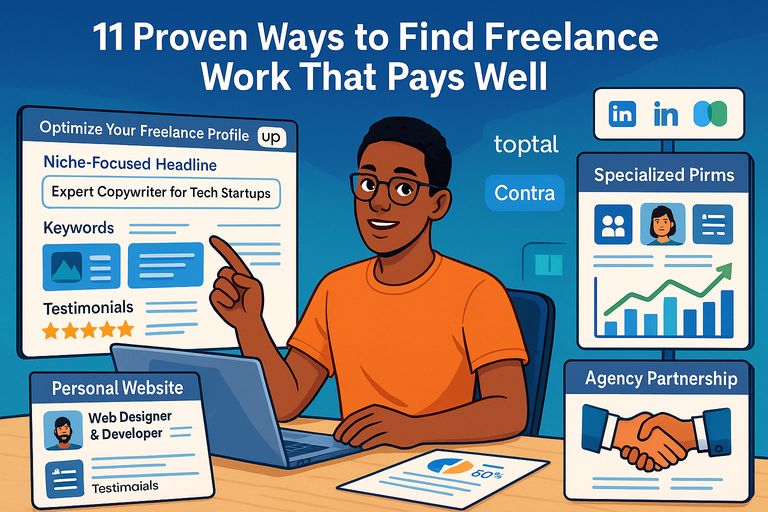 11 Proven Ways to Find Freelance Work That Pays Well
 Legitimate Transcription Work From Home
 How Fiverr Affiliate Program Will Make You Tons Of Cash
 Medical Transcriptionist Work-From-Home: Tips for Remote Success
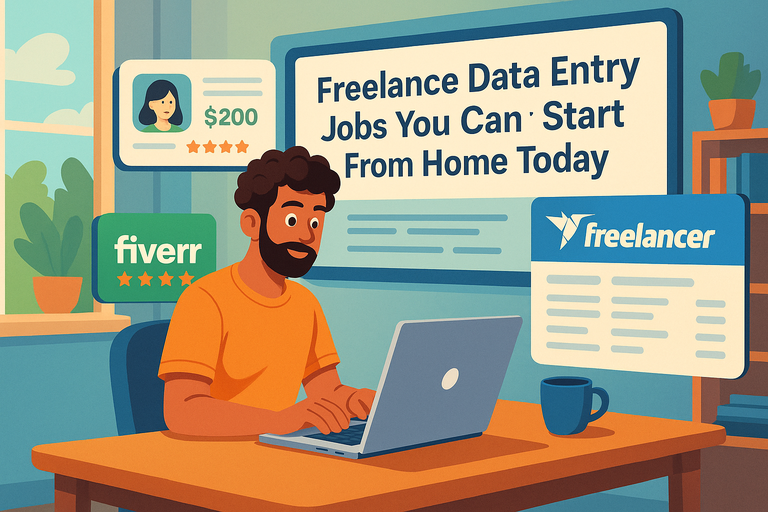 Freelance Data Entry Jobs You Can Start From Home Today
 How to Find Freelance Work Online in 2025