
Table of Contents
Some links on The Justifiable are affiliate links, meaning we may earn a small commission at no extra cost to you. Read full disclaimer.
If you’ve been searching for strategies to grow online sales that actually work, you’re in the right place. Whether you’re running an ecommerce store or selling digital products, you’ve probably asked yourself:
How can I boost conversions fast without wasting money on tactics that don’t deliver?
In this guide, we’ll dive into ten proven, data-backed strategies that drive immediate results. Each one is actionable, measurable, and built to help you scale faster while improving your customer experience.
1. Optimize Product Pages For Higher Conversions
Your product pages are where most buying decisions happen. Small changes in design, copy, or flow can make a big difference in conversions.
Improve Product Descriptions With Buyer Psychology
Good descriptions go beyond listing features—they connect emotionally. Focus on benefits, not specs. Instead of “Made of stainless steel,” say “Built to last through years of daily use.” That subtle shift changes perception.
Techniques that work:
- Use sensory language: Paint a picture of the experience. “Soft cotton hoodie that feels like a warm hug.”
- Address pain points: Show how your product solves a specific problem.
- Mirror customer language: Analyze reviews or comments to find phrases buyers actually use, then reflect those in your copy.
I recommend using tools like Hotjar or Microsoft Clarity to see how people scroll and where they pause—great clues for what’s working or missing.
Use High-Quality Images And Lifestyle Visuals
Photos sell more than text ever will. Invest in lifestyle images that show your product in use, not just on a white background. It helps customers imagine ownership.
Include:
- Multiple angles and zoom options
- 360° views for complex products
- Lifestyle photos with real people to add authenticity
If you’re on Shopify, you can integrate apps like Pixc or TinyIMG to automatically compress and optimize visuals for speed without losing quality.
Add Trust Signals Like Reviews And Guarantees
People buy when they trust. Display verified reviews, testimonials, and ratings near your call-to-action. Include trust badges for secure payments or guarantees.
Quick credibility boosters:
- Money-back guarantees reduce hesitation.
- Review snippets in search results (with Schema markup) improve click-throughs.
- Display “verified buyer” tags to prevent fake-review skepticism.
According to BrightLocal, 87% of consumers read online reviews before buying. That’s your proof that trust equals sales.
Simplify CTAs To Reduce Decision Friction
Your call-to-action (CTA) should be clear, visible, and emotionally aligned. “Add to Cart” is fine, but “Get Yours Now” or “Start Your Transformation” speaks directly to the desired outcome.
Keep CTAs above the fold, use contrasting colors, and avoid clutter around them. Test variations with VWO—even a one-word change can shift conversion rates.
2. Leverage Email Marketing To Drive Repeat Sales

Email marketing is still one of the most profitable channels for ecommerce.
The key is to stop treating it as a broadcast tool and start using it for personalized communication.
Segment Your Email List Based On Behavior
Segmentation turns a one-size-fits-all list into a profit engine. Break down your audience by purchase history, location, or browsing behavior.
For example, you can create segments such as:
- “One-time buyers” → Send them reactivation discounts.
- “High spenders” → Offer loyalty rewards.
- “Cart abandoners” → Send reminders with urgency-based offers.
Platforms like Mailerlite or Kit (formerly ConvertKit) make behavioral segmentation easy with visual automation builders.
Automate Abandoned Cart Sequences
Cart abandonment is pure lost revenue. An automated sequence—sent within an hour of cart exit—can recover up to 30% of those sales.
Keep it human and persuasive:
- Email 1: Friendly reminder with product image
- Email 2: Social proof or testimonial
- Email 3: Incentive (discount or free shipping)
Use tools like Omnisend or Moosend for plug-and-play abandoned cart workflows.
Personalize Recommendations Using Past Purchases
Amazon’s secret weapon is data-driven personalization. Recreate that effect by recommending products based on previous orders or browsing habits.
Example: “Since you bought [X], you might love [Y].”
This subtle nudge increases repeat purchase likelihood by over 20%, according to Barilliance.
Test Subject Lines To Improve Open Rates
Your subject line determines whether your email is read or ignored. Test tone, length, and curiosity triggers.
For instance:
- “You left something behind…” (personal & emotional)
- “Ready for round two? Your favorites are waiting.” (playful & personalized)
Tools like CoSchedule’s Headline Analyzer can help you measure emotional power and readability before sending.
3. Use Social Proof To Build Instant Trust
People follow people, not brands. Social proof transforms hesitation into confidence.
Display Real-Time Purchases Or Pop-Ups
Notifications like “Sarah from London just bought this” create a sense of movement and reliability. They show others are actively purchasing.
Apps like Fomo and Proof automate this seamlessly, displaying live purchase data without feeling intrusive.
Tip: Keep frequency balanced—too many popups can feel manipulative.
Showcase User-Generated Content On Product Pages
Real customers using your product = authentic marketing gold. Encourage buyers to tag your brand on social media or upload photos in reviews.
Embed a live feed from Instagram or TikTok to refresh content automatically. It adds social energy and reduces your need for constant new creative.
If you sell apparel, imagine showing a dynamic gallery of customers wearing your designs—it’s social proof and styling inspiration in one.
Highlight Influencer Endorsements Strategically
Influencers amplify credibility, but only when they align with your audience. Focus on micro-influencers (5K–50K followers) who drive engagement, not just vanity metrics.
I suggest tracking ROI with tools like Tapfiliate or AffiliateWP. Offer them affiliate links so every sale is measurable.
Influencer mentions don’t just build trust—they create instant authority and reach. When executed with transparency and real alignment, they turn browsers into believers.
4. Simplify Checkout To Prevent Cart Abandonment
The checkout process is where customers either complete their journey or drop off. Reducing friction here can instantly lift your conversion rate.
Every extra click or form field increases the chance of abandonment.
Offer Multiple Payment Options
When a shopper reaches checkout, payment flexibility often decides whether they buy or leave.
Not everyone uses credit cards—many prefer PayPal, Apple Pay, Google Pay, or even buy now, pay later options like Klarna or Afterpay.
I suggest adding at least three major payment methods your target audience trusts. For instance, if you sell internationally, Shopify Payments or Stripe can automatically display local currencies and payment types.
Here’s what usually helps conversion:
- Credit/debit cards (Visa, MasterCard)
- Digital wallets (PayPal, Apple Pay, Google Pay)
- Deferred payments (Afterpay, Klarna, Affirm)
Studies show offering local payment options can increase checkout completion rates by up to 30%.
Enable Guest Checkout For Faster Purchases
Requiring account creation before checkout is one of the biggest deal-breakers in ecommerce. Some users just want to buy once without subscribing or registering.
A guest checkout option removes this barrier.
I recommend using a simple flow like:
- Product → Cart → Guest Checkout → Payment → Confirmation
- Optional: Offer account creation after purchase for tracking benefits
Most ecommerce platforms like Shopify, WooCommerce, or BigCommerce allow toggling this in settings (e.g., Settings → Checkout → Customer accounts → Optional).
This one adjustment can reduce abandonment rates by 20–25%.
Display Shipping Costs Early To Avoid Surprises
Hidden fees are trust killers. When customers reach the last step and see unexpected shipping charges, they feel misled and often abandon their cart.
Always show shipping costs upfront—either directly on product pages or at least during the cart summary.
I suggest adding a shipping calculator or “Estimated shipping before checkout” box. Platforms like Shopify support this with simple app integrations like Advanced Shipping Rules or Easyship.
Transparent pricing equals higher trust—and trust drives conversions.
Use Exit-Intent Popups With Targeted Offers
Exit-intent popups detect when someone is about to leave your site (like moving the cursor toward the browser bar). Done right, they’re not annoying—they’re a second chance to close the sale.
You could offer:
- A small discount (“Wait! Get 10% off before you go”)
- A free shipping code
- A reminder of what’s in their cart
Tools like OptinMonster let you design these easily. I recommend keeping the message friendly, not desperate. It’s your last handshake with a hesitant buyer.
5. Invest In Paid Ads With Strong Retargeting

Paid ads can drive instant visibility, but retargeting turns that visibility into conversions. The idea is simple: follow up with visitors who showed interest but didn’t buy.
Set Up Facebook And Instagram Retargeting Campaigns
Meta’s ad ecosystem (Facebook + Instagram) remains one of the most powerful for ecommerce retargeting.
You can show personalized ads to users who visited your site, added to cart, or viewed specific products.
Here’s a simple setup path:
- Install Meta Pixel (via Shopify or Google Tag Manager).
- Create a Custom Audience → “Website Visitors in last 30 days.”
- Design dynamic carousel ads showing products users viewed.
This strategy works because it reminds people of what they already wanted. In fact, retargeting ads can improve conversion rates by up to 150%, according to WordStream.
Use Dynamic Product Ads For Personalized Offers
Dynamic product ads (DPAs) automatically show users the exact products they interacted with—no manual setup required.
Imagine a customer browses your site’s running shoes but leaves. Later, while scrolling Instagram, they see that same pair with a message like: “Still thinking about these? They’re waiting for you.”
That’s personalization at scale. DPAs are available in Meta, Google Shopping, and TikTok Ads Manager.
I suggest pairing DPAs with limited-time offers to increase urgency (e.g., “Your items are still in stock—but not for long”).
Analyze Ad Frequency And Creative Fatigue
Retargeting works—until it doesn’t. If users see the same ad too often, it loses impact or becomes irritating.
Monitor ad frequency (how many times someone sees your ad). Once it crosses 4–5 exposures in a short time frame, performance usually drops. Rotate creatives, tweak headlines, or change offers.
For quick analysis:
- Use Meta Ads Manager → Breakdown → Frequency by Campaign
- Check Google Ads → Reports → Audience Insights
Keeping your ads fresh keeps your audience engaged—and your ROAS (return on ad spend) healthy.
6. Leverage Scarcity And Urgency Ethically
Scarcity and urgency are psychological triggers that encourage action. But they only work when used honestly and sparingly. Fake scarcity damages credibility fast.
Add Countdown Timers During Promotions
Countdown timers create a visual sense of urgency—especially effective during sales or product launches.
You can place timers:
- On product pages (“Offer ends in 2 hours 15 minutes”)
- In checkout (“Your cart will expire in 10 minutes”)
- In emails promoting flash sales
Apps like Countdown Timer Ultimate make it easy to add timers to Shopify stores. I suggest using them only during real promotions, not daily gimmicks.
Show Limited Stock Notifications Realistically
When someone sees “Only 3 left in stock,” they act faster—but only if they believe it. Avoid fake scarcity counters that update randomly; users can spot manipulation quickly.
If your inventory system supports it, display actual stock data. For instance, Shopify Admin → Products → Inventory tracking lets you sync live numbers to front-end templates.
This transparency builds both urgency and trust—a rare but powerful combination.
Use Flash Sales To Encourage Quick Purchases
Flash sales are short, time-boxed discounts designed to spark immediate buying decisions. Think of them as your brand’s version of lightning deals.
Keep them effective by following these rules:
- Limit duration (4–48 hours works best).
- Announce clearly via email and social.
- Highlight countdowns and savings visually.
In my experience, a flash sale tied to an event (like “Weekend Exclusive” or “Midnight Madness”) can boost sales by 30–50% within 24 hours. Just ensure inventory and fulfillment teams are ready for the spike.
7. Boost Traffic With SEO-Optimized Content
Search-optimized content drives consistent, high-intent traffic that converts over time.
Instead of chasing random clicks, focus on creating content that answers buyer questions and connects directly to your products.
Create Product Guides And Comparison Posts
Buyers research before they buy, especially online. Product guides and comparison posts help them make confident choices—and position you as the expert.
I suggest creating “how to choose” or “best vs.” articles.
For example:
- “How to Choose the Perfect Ergonomic Chair for Remote Work”
- “iPhone 15 vs. Samsung S24: Which One’s Worth the Upgrade?”
These formats work because they attract mid-to-bottom funnel users—people ready to purchase soon.
A few tips for structure:
- Start with a short intro addressing the reader’s problem.
- Compare features using a simple table for quick scanning.
- Include real examples or mini use-cases (“If you work long hours, the X model’s lumbar support makes a big difference.”)
Tools like Surfer SEO or Frase can help you identify keywords, related questions, and readability gaps so your guides outperform generic reviews.
Target Long-Tail Keywords With Purchase Intent
Long-tail keywords (phrases of 3+ words) often have lower search volume but higher conversion potential.
They’re more specific, like “best noise-canceling headphones for travel” instead of just “headphones.”
Here’s how you can find them:
- Use Google Autocomplete and People Also Ask sections.
- Check Ahrefs or Ubersuggest for related keyword phrases.
- Look at your own product reviews—customers often reveal natural search terms.
Once you find good long-tails, integrate them naturally into product pages, meta descriptions, and blog content. This way, you attract people who already know what they want.
Optimize Meta Tags For Click-Through Rates
Meta titles and descriptions are small, but they massively impact clicks. Even if you rank well, a weak snippet won’t bring traffic.
To optimize:
- Keep titles under 60 characters and include your primary keyword early.
- Write meta descriptions (150–160 characters) that include benefits and a light call to action.
- Example: “Shop premium bamboo sheets that stay cool and soft. Free shipping on all orders—sleep better tonight.”
I recommend testing different meta variations with Google Search Console to see which phrases improve CTR (click-through rate). Think of these tags as your ad copy for free traffic.
8. Partner With Micro-Influencers For Authentic Reach
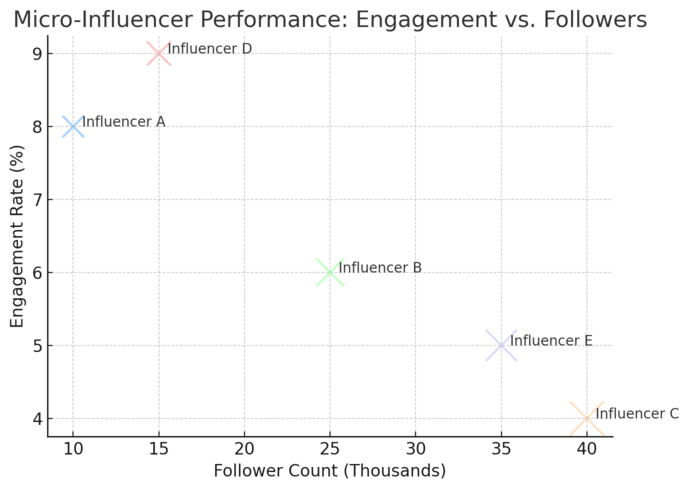
Influencer marketing works best when it feels real. Micro-influencers (typically 5K–50K followers) often outperform bigger names because their audiences trust them.
Choose Influencers Whose Audience Matches Your Niche
Don’t chase follower counts—chase alignment. I suggest looking at engagement rates (likes, comments, shares) and the tone of conversations under posts.
For example, if you sell fitness gear, partner with influencers who share workout tips, not lifestyle bloggers. Their audience is already primed for your product.
You can find them using Collabstr, Afluencer, or HypeAuditor. Search by niche, audience demographics, and location. Then, reach out with a personal message explaining why your brand fits their values.
Focus On Engagement Over Follower Count
A smaller, engaged community often drives more sales than a massive but disengaged following.
As a general rule:
- 2–3% engagement rate = decent
- 5%+ = strong influencer for your niche
Ask for screenshots of post insights before committing. Check for real interactions—not generic “love it” comments.
Micro-influencers also tend to produce more relatable, UGC-style (user-generated content) visuals you can reuse on your own product pages or ads.
Track Conversions With Unique Affiliate Links
Tracking is everything. Without it, you’re just guessing ROI.
Give influencers unique affiliate links or discount codes. This helps you see which creators actually drive sales.
You can set this up through tools like Tapfiliate, Refersion, or Impact Radius. Each provides dashboards showing traffic, conversions, and revenue by influencer.
In my experience, offering a mix of upfront payment plus commission works best. It motivates influencers to stay invested in your results.
9. Use Data Analytics To Improve Sales Funnels
Data isn’t just numbers—it’s customer behavior mapped out. The more you understand how visitors interact with your site, the easier it becomes to improve conversions.
Monitor Key Metrics Like AOV And Conversion Rate
Start with two foundational metrics:
- AOV (Average Order Value): The average spent per order.
- Conversion Rate: The percentage of visitors who complete a purchase.
You can find both in your ecommerce dashboard (Shopify → Analytics → Reports).
If your conversion rate is below 2%, it’s usually a sign of checkout friction or weak trust signals. If AOV is low, consider upsells or bundles.
I often recommend tracking these metrics weekly using a Google Data Studio dashboard—it visualizes performance and trends over time.
Identify Drop-Off Points With Heatmaps
Heatmaps show you where users click, scroll, and stop. They’re gold for spotting UX (user experience) issues.
Tools like Hotjar or Crazy Egg can record session replays and highlight friction points—for instance, if users keep hovering over a section that doesn’t link anywhere, or if they abandon the cart at a certain form field.
Fixing these small UX gaps often leads to instant conversion lifts.
Run A/B Tests To Continuously Refine UX
Never assume what works—test it. A/B testing means showing two page versions to different users to see which converts better.
You can test:
- Headlines (“Shop Now” vs. “Get Yours Today”)
- Product images (lifestyle vs. studio shots)
- Button colors or placement
Tools like VWO make this easy. Even small A/B wins, like a 5% conversion improvement, compound into significant revenue growth over time.
10. Offer Loyalty Programs To Increase Customer Lifetime Value
Winning a new customer is expensive—keeping one is cheaper and far more profitable. Loyalty programs encourage repeat purchases while strengthening emotional connection with your brand.
Reward Repeat Buyers With Tiered Benefits
Tiered programs motivate shoppers to climb levels and unlock better perks.
Example tiers:
- Silver (spend $100): 5% off every order
- Gold (spend $250): Free shipping
- Platinum (spend $500): Exclusive early access
You can automate this using apps like Smile.io or LoyaltyLion. Both integrate with Shopify and WooCommerce easily.
These programs create what I call purchase momentum—each order gets customers closer to the next reward.
Use Referral Bonuses To Encourage Word Of Mouth
Word-of-mouth remains one of the most powerful sales channels. Encourage customers to refer friends with a simple system like: “Give $10, Get $10.”
I suggest integrating referral automation with ReferralCandy or Yotpo Referrals. These tools generate unique codes and track performance transparently.
Even better, referrals come with built-in trust, often converting 3x faster than cold leads.
Automate Loyalty Emails To Re-Engage Customers
Don’t let loyalty end after sign-up. Keep engagement alive with personalized email flows:
- “You’ve just reached Gold status—enjoy your free shipping.”
- “You’re only $20 away from Platinum!”
- “We’ve added a new reward just for you.”
Automate these using Omnisend. The goal is to remind customers that every purchase matters—and that you value their loyalty.

I’m Juxhin, the voice behind The Justifiable.
I’ve spent 6+ years building blogs, managing affiliate campaigns, and testing the messy world of online business. Here, I cut the fluff and share the strategies that actually move the needle — so you can build income that’s sustainable, not speculative.
Related posts:
 How to Grow Online Sales: 7 Game-Changing Marketing Techniques
 Performance Based Marketing: Transform Your Advertising Strategy
 Take the Leap With Next Step Marketing Solutions That Convert
 Ecommerce Marketing Solutions That Multiply Your Sales
 Grow Online Sales and Turn Visitors Into Repeat Customers
 Best E Commerce Websites That Turn Traffic Into Sales